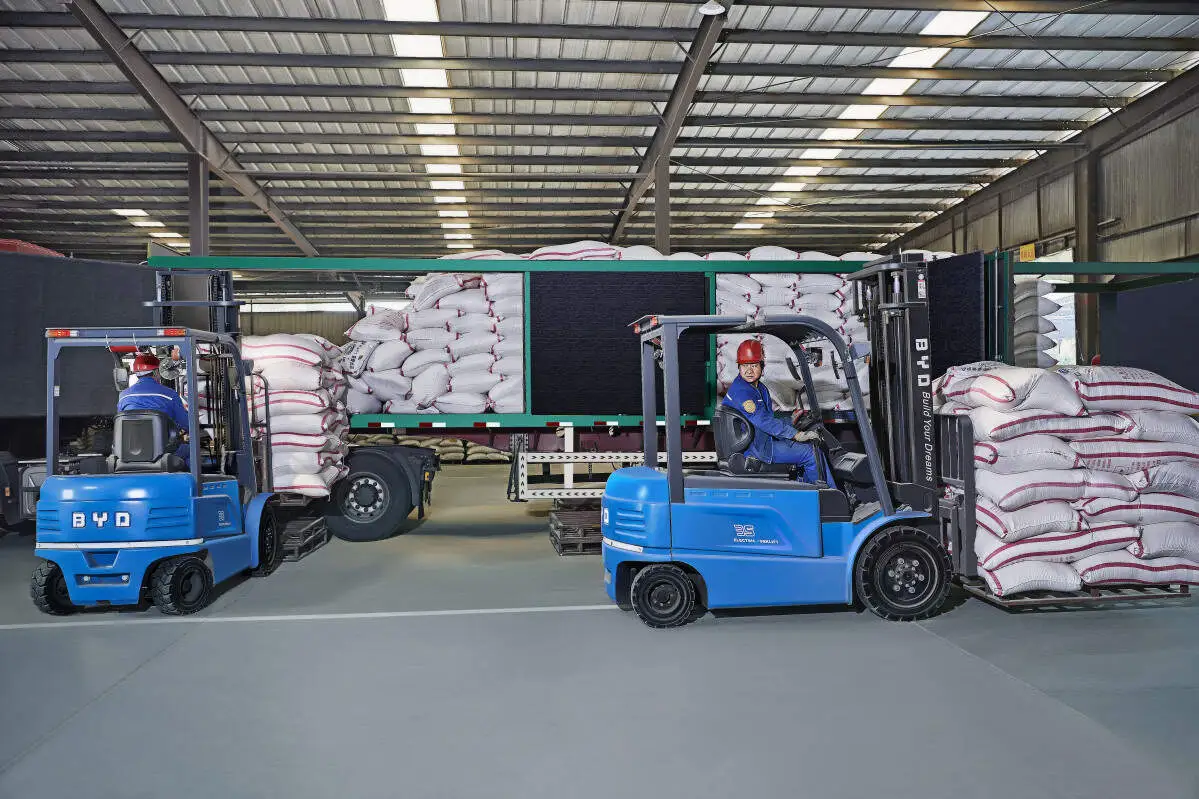
electric forklifts rely heavily on their batteries to deliver consistent performance for material handling tasks, making the selection of a suitable replacement battery a critical decision. Choosing the wrong model can lead to reduced operational efficiency, premature equipment wear, and even safety risks, which is why understanding forklift battery model numbers is essential.
First, it’s important to decode the information embedded in battery model numbers. Most model codes include details about voltage, rated capacity, and physical dimensions—three core factors that determine compatibility. For example, a model number might start with a two-digit number indicating the battery’s voltage (such as 24 or 48 volts), followed by a series of digits representing the amp-hour (Ah) capacity, which dictates how long the battery can power the forklift on a single charge. The latter part of the model often includes codes for the battery’s length, width, and height, ensuring it fits seamlessly into the forklift’s battery compartment.
Next, you need to cross-reference the model number details with the specifications of your current battery and forklift. Start by confirming the voltage requirement: using a battery with a lower voltage than recommended will result in insufficient power, while a higher voltage can damage the forklift’s electrical system. The Ah capacity should align with your operational needs; if your forklift runs long shifts, a higher capacity battery may be necessary to avoid mid-shift recharges. Additionally, pay attention to terminal type and location—mismatched terminals can make installation impossible or cause poor electrical connections.
Verifying compatibility extends beyond just the model number. Consult your forklift’s user manual, which typically lists approved battery models and their key specifications. If the manual is unavailable, reaching out to a technical support team can help you confirm whether a replacement battery meets the forklift’s design requirements. It’s also important to consider your operating environment: batteries used in cold storage facilities may require specialized models with enhanced cold-weather performance, while those in high-temperature settings need better heat resistance to maintain longevity.
Common mistakes to avoid include focusing solely on capacity without checking voltage or dimensions, which can lead to fitting issues or operational failures. Another error is ignoring the battery’s chemistry type—lead-acid and lithium-ion batteries have different charging requirements, so replacing one with the other without adjusting the charging system can cause damage.
By taking the time to understand forklift battery model numbers and following these steps to match a suitable replacement, you can ensure your electric forklift operates at peak efficiency, extends its service life, and minimizes unexpected downtime. Proper matching not only protects your equipment investment but also supports safe and reliable material handling operations daily.