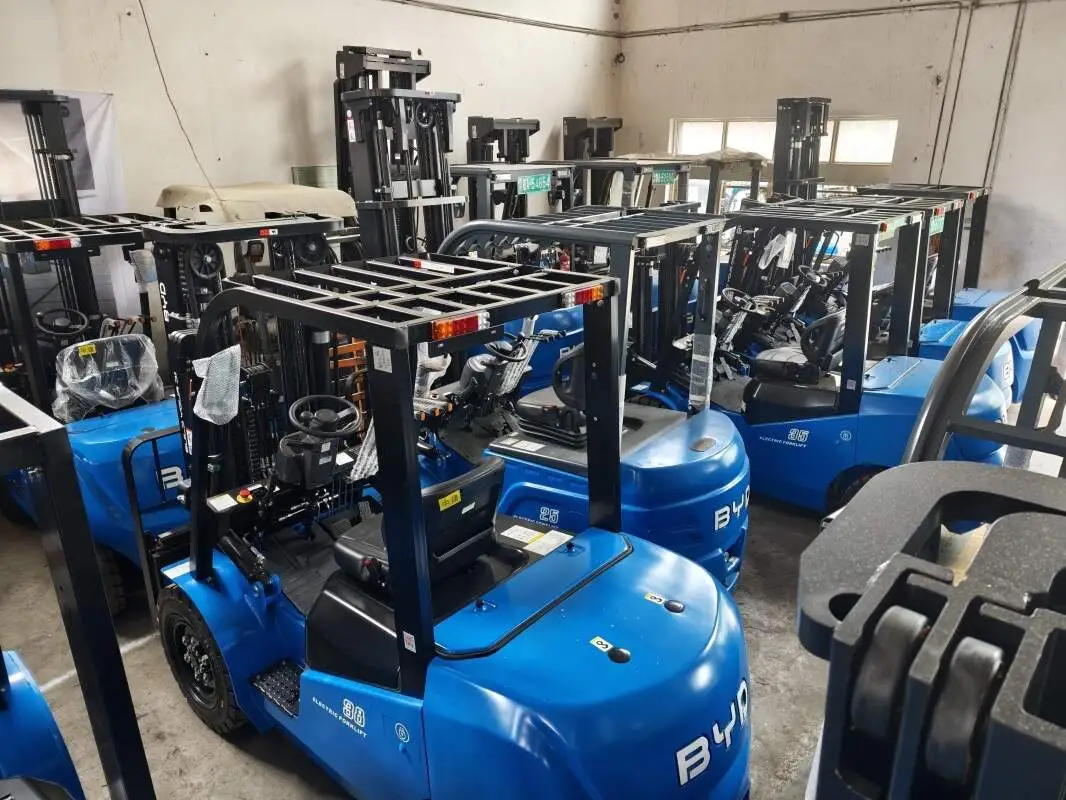
electric forklifts are indispensable workhorses in warehouses, distribution centers, and manufacturing facilities, relying on heavy-duty batteries to power daily material handling operations. Over time, these batteries require replacement or routine maintenance to sustain reliable forklift performance. However, handling bulky, heavy forklift batteries—often weighing several thousand pounds—poses significant safety risks, including musculoskeletal strains, falls, and equipment damage, without proper specialized tools. This is where a forklift battery removal cart emerges as a critical asset for safe, streamlined battery replacement work.
Forklift battery removal carts are engineered with safety as the foundational design principle. They feature robust, reinforced frames and wide, stable bases to evenly distribute the weight of large batteries, preventing tipping during transport. Many models incorporate locking mechanisms that secure the battery in place on the cart’s platform, eliminating shifts that could lead to accidental drops or worker injury. Ergonomically designed handles reduce physical strain on operators, allowing for easy maneuverability even in tight warehouse aisles or crowded work zones. Non-slip surface coatings on the cart’s loading area further enhance stability, ensuring the battery remains securely positioned during loading, unloading, and transit.
Using a forklift battery removal cart simplifies the battery replacement process into a structured, low-risk workflow. First, operators position the cart adjacent to the electric forklift, aligning its integrated lifting mechanism with the battery’s mounting points. Depending on the model, the lifting system may operate via manual crank or hydraulic assistance, gently hoisting the battery out of the forklift’s compartment without requiring manual lifting that can cause acute or chronic back injuries. Once lifted, the battery is secured to the cart, and operators can safely transport it to a charging station, maintenance bay, or storage area. When installing a new battery, the reverse process is equally efficient: the cart positions the battery precisely, and the lifting system lowers it into the forklift’s compartment, ensuring proper alignment with electrical connections to avoid damage.
Beyond safety, a forklift battery removal cart delivers tangible operational efficiency benefits. Traditional battery replacement methods often require multiple workers and can take hours to complete, leading to costly forklift downtime. With a removal cart, a single operator can complete the task in a fraction of the time, reducing disruption to material handling schedules. By minimizing physical strain on workers, the cart also helps reduce workplace injury rates and associated downtime, supporting a more consistent, productive work environment. Over time, the investment in a battery removal cart yields long-term savings through lower injury-related costs, extended equipment longevity, and streamlined maintenance workflows.
In conclusion, a forklift battery removal cart is an essential tool for any facility that relies on electric forklifts. It addresses the core safety challenges of handling heavy batteries while optimizing operational efficiency and reducing downtime. By prioritizing worker well-being and streamlining maintenance processes, this equipment supports a more sustainable, safe, and cost-effective material handling operation. Whether in a small warehouse or a large manufacturing plant, integrating a forklift battery removal cart into daily maintenance routines is a strategic choice for long-term operational success.