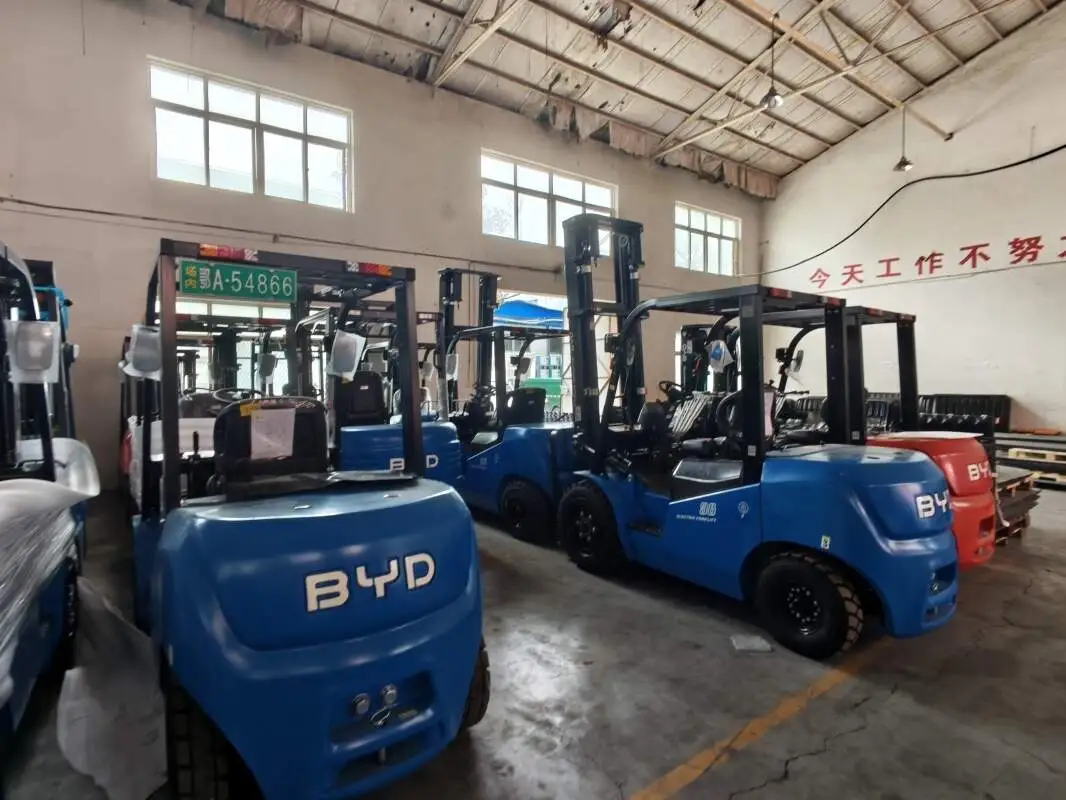
Forklifts play a critical role in warehouses, distribution centers, and industrial facilities, but their heavy operation poses inherent safety risks. forklift caution signs serve as silent safety guardians, conveying vital information to operators, pedestrians, and other personnel to prevent accidents and ensure compliance with safety guidelines. Understanding their standard meanings and placing them correctly is fundamental to maintaining a safe work environment.
Let’s start with the standard meanings of common forklift caution signs. Speed limit signs, marked with a numerical value inside a red circle, indicate the maximum allowed speed for forklifts in specific zones, such as narrow aisles or pedestrian-heavy areas. This helps prevent collisions with other equipment or workers. Pedestrian warning signs, featuring a walking figure alongside a forklift, alert both operators and pedestrians to shared workspaces, reminding them to stay vigilant and maintain a safe distance.
No rider signs, typically showing a crossed-out figure on a forklift, prohibit unauthorized personnel from riding on any part of the forklift. This reduces the risk of falls, entrapment, or injuries during sudden stops or turns. Lift zone caution signs, often displaying a forklift lifting a load, mark areas where forklifts are actively raising or lowering materials. They warn others to keep clear to avoid being struck by falling loads or moving machinery. For electric forklifts, charging area signs highlight zones where batteries are being charged, reminding personnel of potential electrical hazards and the need to avoid overcrowding the space.
Proper placement of these signs is just as important as understanding their meanings. First, prioritize visibility: install signs at eye level, ensuring they can be seen from all entry points and key operational areas. Avoid placing them behind pallets, storage racks, or heavy equipment that could block the view. Second, target high-risk zones: position speed limit signs at the entrance of narrow aisles, pedestrian warning signs near crosswalks or break areas, no rider signs inside forklift cabs and near loading docks, lift zone signs around storage racks where loads are handled, and charging area signs directly outside electric forklift charging stations.
Regular maintenance is also key. Conduct monthly inspections to check if signs are intact, legible, and free from fading or damage. Replace any signs that are worn out to ensure they continue to convey clear, accurate information. Additionally, align placement with local safety regulations and industry standards, as these may specify exact locations or requirements for certain signs.
By mastering the standard meanings of forklift caution signs and following proper placement advice, facilities can significantly reduce the risk of accidents, protect personnel, and create a safer, more compliant work environment for everyone involved in forklift operations.