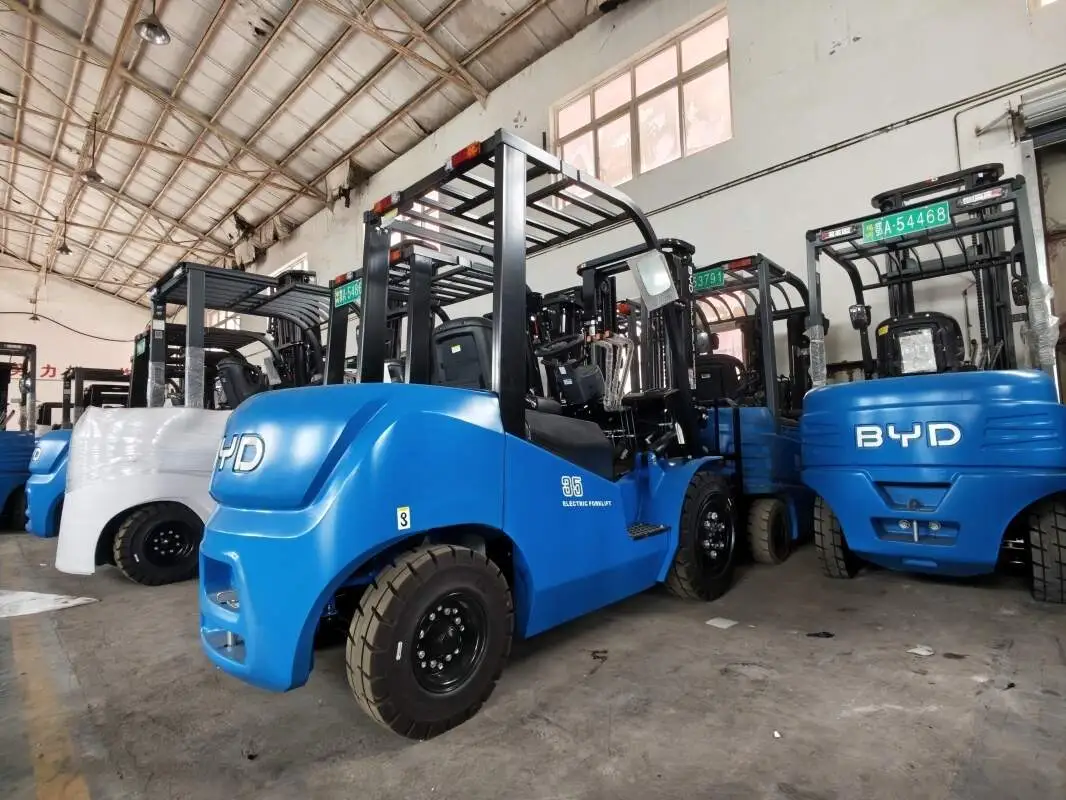
Operating an electric forklift safely and efficiently requires a deep understanding of its control layout, and a forklift controls diagram is the ultimate visual guide to achieving this. Whether you’re a new trainee or a seasoned operator refreshing your knowledge, decoding this diagram is foundational to responsible forklift use, as it maps every critical operating element, reduces human error, and ensures compliance with workplace safety standards.
At the core of most electric forklift control systems are multi-function joysticks, which replace traditional separate levers for streamlined operation. The left joystick typically manages mast tilt (to angle forks for stable loading) and side shift (to move forks horizontally for precise alignment with pallets). Each axis of the joystick corresponds to a specific movement—pushing forward tilts the mast forward, pulling back tilts it backward, while left or right movements activate the side shift. The right joystick controls fork lift and lower functions; pushing it upward raises the forks, pulling it downward lowers them, and some models include auxiliary buttons on the joystick for fine-tuning fork positioning.
Pedal controls are equally vital, with three primary pedals featured on most electric forklifts. The accelerator pedal regulates forward and reverse speed, offering variable control to match the pace of the working environment—slower speeds for tight warehouse aisles, faster speeds for open outdoor areas. The brake pedal, similar to vehicle brakes, brings the forklift to a complete stop, while the inching pedal is designed for precise maneuvering during loading and unloading. Pressing the inching pedal disengages the drive system while keeping hydraulic functions active, allowing operators to adjust fork position without moving the entire forklift.
The dashboard and instrumentation section of the controls diagram provides real-time insights into the forklift’s status. For electric models, the battery level indicator is critical—it alerts operators to remaining power, preventing unexpected shutdowns mid-operation. Other key dashboard elements include the hour meter (to track maintenance intervals), fault warning lights (which signal issues like low hydraulic fluid or electrical malfunctions), and the direction selector switch (to toggle between forward, neutral, and reverse modes). Familiarizing yourself with these indicators ensures you can address minor issues before they escalate into major problems.
Safety controls are non-negotiable elements highlighted in every forklift controls diagram. The emergency stop button, usually located on the console or steering column, cuts all power to the forklift immediately in case of an emergency, such as a loss of control or a nearby hazard. Seat belt sensors ensure operators are properly secured before the forklift can be activated, while the horn button allows operators to alert nearby personnel of their presence in busy work areas.
Mastering the forklift controls diagram isn’t just about operating the equipment—it’s about prioritizing safety for yourself, your colleagues, and the goods you handle. Regular review of the diagram keeps operators familiar with each element, reducing the risk of accidents and improving overall operational efficiency in industrial and warehouse settings.