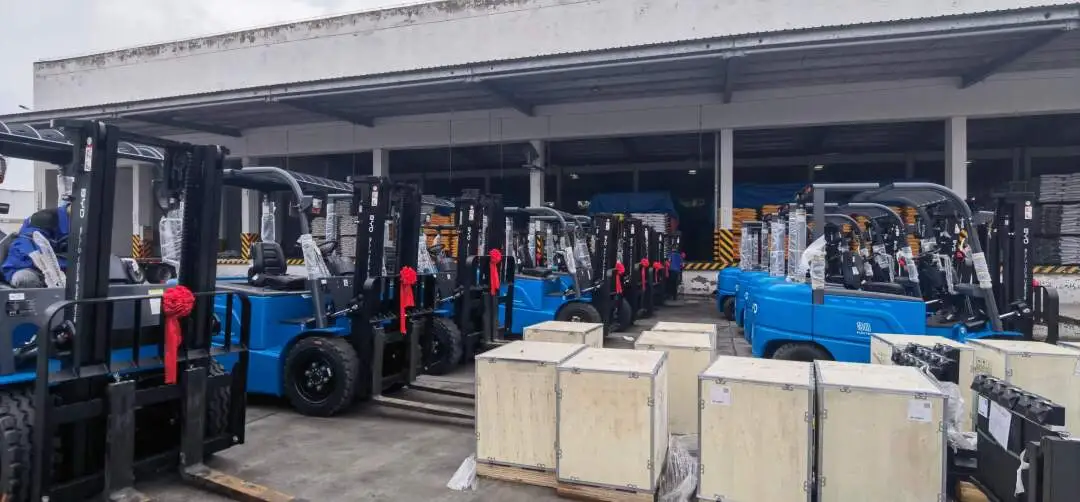
In busy warehouse and industrial settings, electric forklifts are workhorses that keep material handling operations running smoothly. When unexpected faults occur, every minute of downtime translates to lost productivity and delayed workflows. This is where a streamlined fault-code quick look-up system becomes an indispensable asset for maintenance teams.
Electric forklifts are equipped with onboard diagnostic systems that generate fault codes when components or systems malfunction. These alphanumeric codes provide specific insights into the root cause of an issue, from battery performance anomalies to hydraulic system errors. Without a quick way to interpret these codes, technicians may spend hours troubleshooting blindly, leading to extended downtime that disrupts daily operations.
Implementing a fault-code quick look-up process starts with having easy access to a comprehensive, updated diagnostic manual or digital database. When a fault code appears on the forklift’s dashboard, technicians should first record the code accurately, noting any accompanying symptoms like unusual operational noises, reduced lifting capacity, or faster-than-normal battery drainage. Next, they can cross-reference the code with the look-up resource, which outlines the likely problem area, recommended inspection steps, and potential solutions tailored to the specific fault.
This targeted approach cuts down troubleshooting time significantly. For example, instead of systematically checking every component in the hydraulic system, a fault code can direct technicians to a specific solenoid valve that requires replacement or cleaning. Quick look-up also ensures consistency in repairs, reducing the risk of misdiagnosis that could lead to repeated faults or unnecessary part replacements, which adds to operational costs.
Beyond immediate repairs, a fault-code quick look-up system can support proactive maintenance strategies. By tracking recurring fault codes, maintenance teams can identify patterns—such as frequent battery-related codes—and address underlying issues like improper charging practices or aging battery cells before they cause major breakdowns. This shift from reactive to proactive maintenance helps extend the lifespan of electric forklifts and reduces long-term operational expenses.
To maximize the benefits of fault-code quick look-up, maintenance teams should receive regular training on how to use diagnostic tools and interpret codes correctly. This ensures that even new technicians can efficiently navigate the look-up process, minimizing delays when experienced staff are unavailable. Additionally, updating diagnostic resources regularly to align with new forklift models and system updates ensures that the look-up system remains relevant and effective.
In conclusion, forklift fault-code quick look-up is a simple yet powerful strategy to accelerate equipment repair work. By enabling technicians to diagnose issues quickly and accurately, it reduces equipment downtime, boosts maintenance efficiency, and keeps material handling operations running at optimal levels. Investing in accessible diagnostic resources and ongoing team training ensures that electric forklifts remain reliable, cost-effective assets for any industrial operation.