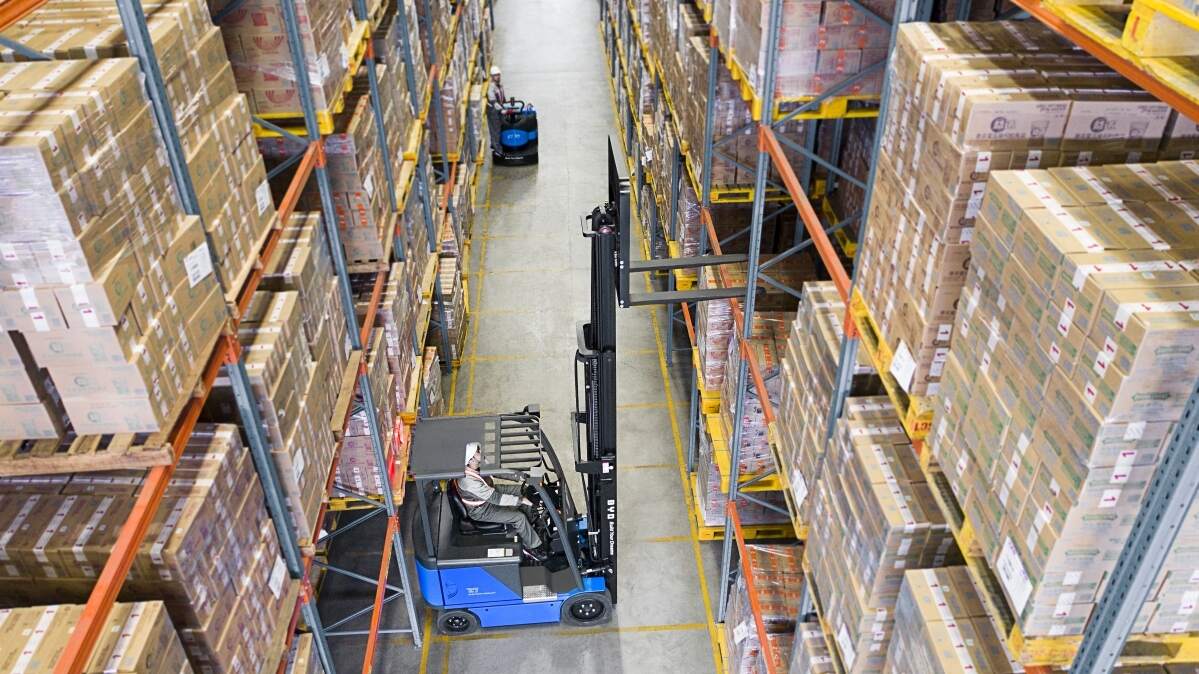
As the core load-bearing component of electric forklifts, the frame directly determines the overall structural stability and service life of the equipment. Regular standardized inspection of the frame is one of the core measures to maintain long-term equipment health for logistics, manufacturing and other operation scenarios.
First, conduct regular visual inspection for cracks and deformation. Focus on checking the welding seams, load-bearing connection points of the frame, to find out if there is tiny crack or local deformation caused by long-time high-load operation. It is recommended to arrange this inspection after the daily operation peak to avoid missing hidden dangers.
Second, check the tightness of all fasteners. The long-term vibration generated in the forklift driving and loading/unloading process may lead to loose bolts and fixed parts connected to the frame. Staff should use professional tools to calibrate the tightness of these fittings at fixed cycles, to eliminate potential safety risks in advance.
Third, inspect the integrity of the anti-corrosion coating. For electric forklifts working in humid, dusty or specific scenarios, the damaged anti-corrosion coating on the frame surface should be repaired in time, to avoid the spread of rust that will weaken the overall structural strength of the frame.
Fourth, carry out linkage inspection of matching connecting parts. Check the matching condition of the connection positions between the frame and the mast, battery compartment and counterweight assembly synchronously, to avoid abnormal wear or offset caused by unbalanced stress.
Jianshu New Energy, which specializes in BYD electric forklifts, provides full-cycle operation and maintenance guidance for all users, you can send related consultation emails to 17399989919@163.com for more professional support.