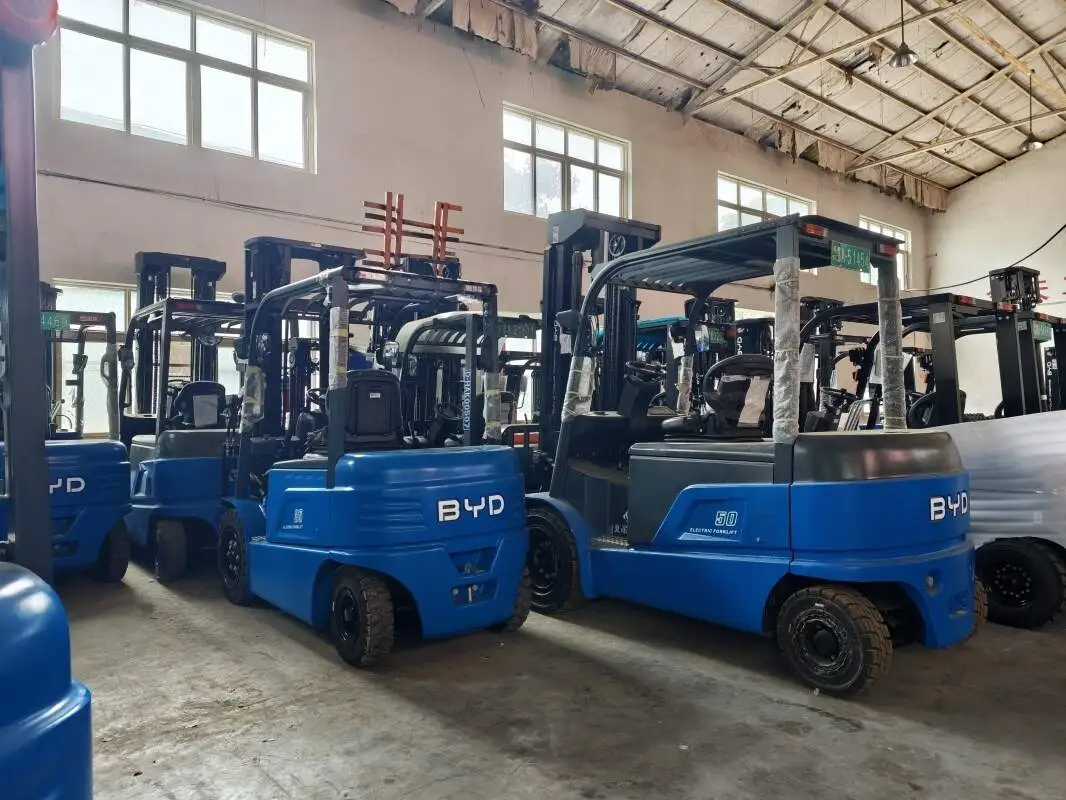
Forklifts are versatile workhorses in warehouses, construction sites, and industrial facilities, but their standard lifting capabilities often have limits. For tasks that require reaching higher or handling loads in hard-to-access areas, a forklift jib boom crane offers a cost-effective solution to expand functionality without investing in a separate heavy-duty crane.
One key approach to expanding lifting capabilities is selecting the right jib boom attachment. Jib booms come in various designs, including fixed, telescopic, and adjustable models, each suited to different lifting needs. When choosing an attachment, it’s critical to match its weight capacity with the forklift’s rated load capacity, as overloading can compromise safety and equipment integrity. Consider the maximum reach required for your typical tasks—telescopic models extend further, making them ideal for lifting items to elevated shelves or over obstacles, while fixed jibs work well for straightforward, consistent height needs.
Proper installation and calibration are equally essential. Always follow the manufacturer’s guidelines for attaching the jib boom to the forklift’s carriage or forks. Ensure all bolts and fasteners are tightened to the specified torque, and verify that the attachment is securely aligned to prevent shifting during operation. After installation, conduct a test lift with a light load to check for stability and smooth movement. Calibrating the jib boom’s load indicator, if equipped, helps operators stay within safe weight limits, reducing the risk of tip-overs or equipment failure.
Optimizing load handling techniques can also enhance lifting efficiency. When using a jib boom, position the load as close to the forklift as possible to minimize strain on the attachment and maintain balance. Use appropriate slings or hooks rated for the load weight, and ensure the load is evenly distributed to avoid tilting. Operators should avoid sudden movements or sharp turns while lifting, as these can destabilize the forklift. For extended reaches, reduce the load weight proportionally to account for the increased leverage on the forklift’s chassis.
Regular maintenance and inspections play a vital role in sustaining expanded lifting capabilities. Inspect the jib boom before each use for signs of wear, such as cracked welds, bent components, or frayed cables. Lubricate moving parts according to the maintenance schedule to prevent friction-related damage. Keep track of usage hours and schedule professional inspections at recommended intervals to address potential issues before they escalate. Proper maintenance not only extends the life of the jib boom but also ensures consistent, safe performance.
Finally, investing in operator training is non-negotiable. Operators must understand how to operate the forklift with a jib boom attachment safely, including recognizing load limits, adjusting for different reach distances, and responding to unexpected situations. Training should cover both theoretical knowledge of load dynamics and practical hands-on practice in controlled environments. Well-trained operators are better equipped to maximize the jib boom’s capabilities while minimizing risks to personnel and property.
By combining the right equipment selection, proper installation, thoughtful load handling, regular maintenance, and operator training, businesses can effectively expand their forklift’s lifting capabilities using a jib boom crane. This approach enhances operational flexibility, reduces the need for specialized equipment, and supports safe, efficient completion of a wider range of lifting tasks.