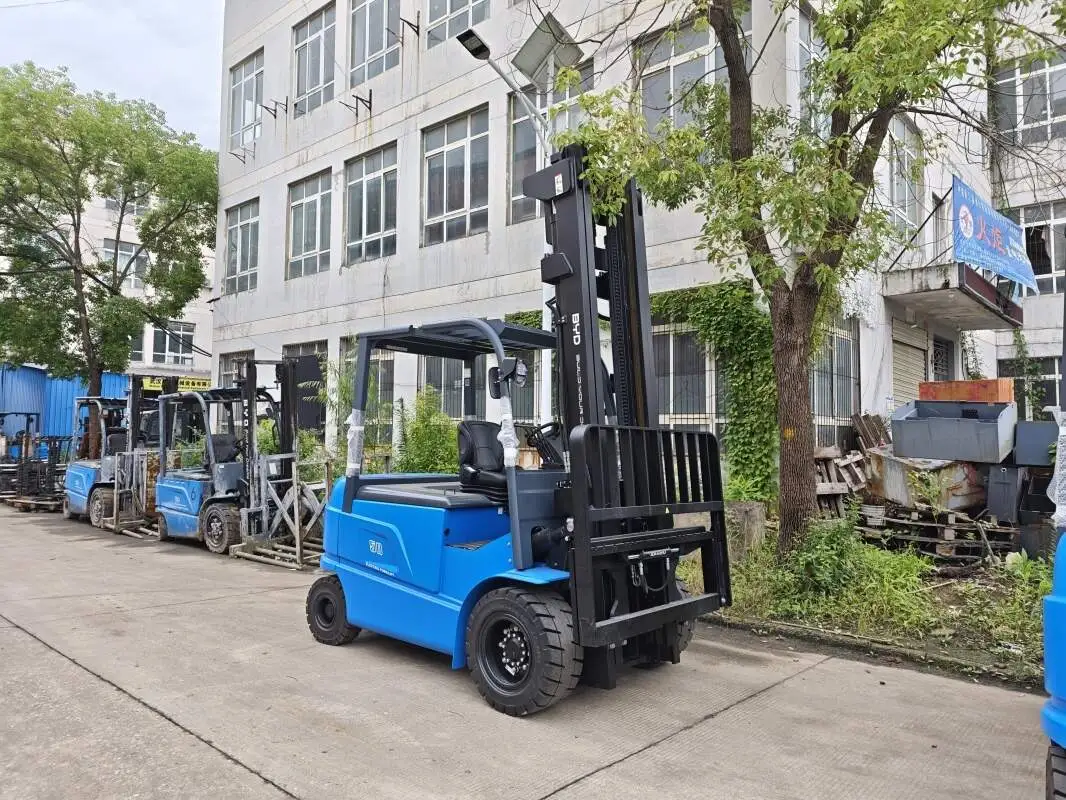
forklift load capacity is a critical concept for safe and efficient material handling operations. Misunderstanding the difference between rated load and actual usage can lead to equipment damage, workplace accidents, and reduced operational efficiency. This guide breaks down these key terms and outlines factors that impact real-world load handling to help operators and businesses maintain safe, productive workflows.
Rated load capacity refers to the maximum weight a forklift is designed to lift under standardized test conditions. These conditions include a specified load center— the distance from the face of the forks to the load’s center of gravity— typically set at 24 inches for most standard forklifts. Testing takes place on flat, firm surfaces at a low lift height, with no additional attachments installed. Manufacturers determine this rating through rigorous structural and stability tests to ensure the forklift can safely carry the specified weight without tipping or sustaining damage.
However, actual load capacity in daily operations often differs from the rated value due to several critical variables. Lift height is one of the most impactful factors. As a forklift raises a load to greater heights, its center of gravity shifts upward, reducing overall stability. For instance, a forklift rated for 5,000 pounds at a 10-foot lift may only safely handle 3,500 pounds when lifting to 20 feet. Operators must refer to the forklift’s load capacity chart to adjust weight limits based on the required lift height.
The load center also plays a key role in actual usage. If a load’s center of gravity is farther from the forks than the standardized test distance— such as with oversized pallets or irregularly shaped items— the forklift’s stability is compromised. This requires operators to reduce the weight being lifted to maintain balance and prevent tipping. Even small shifts in the load center can significantly reduce the safe operating capacity.
Terrain and operating environment further affect actual load capacity. Operating on uneven ground, slopes, or soft surfaces like gravel or grass shifts the forklift’s center of gravity, reducing its ability to safely carry full rated loads. Outdoor operations, in particular, demand extra caution, as weather conditions like rain or snow can create slippery surfaces that further compromise stability. Additionally, any attachments added to the forklift, such as side shifters, clamp attachments, or fork extensions, add weight to the vehicle. This additional weight must be subtracted from the rated load to determine the actual usable capacity for lifting materials.
To ensure safe and efficient operation, operators should follow best practices including consulting the forklift’s load capacity chart for every task, conducting pre-operation checks to inspect vehicle condition, and completing regular training on load assessment and stability principles. By understanding how these variables impact actual load capacity, businesses can minimize the risk of accidents, extend equipment lifespan, and maintain smooth material handling operations.