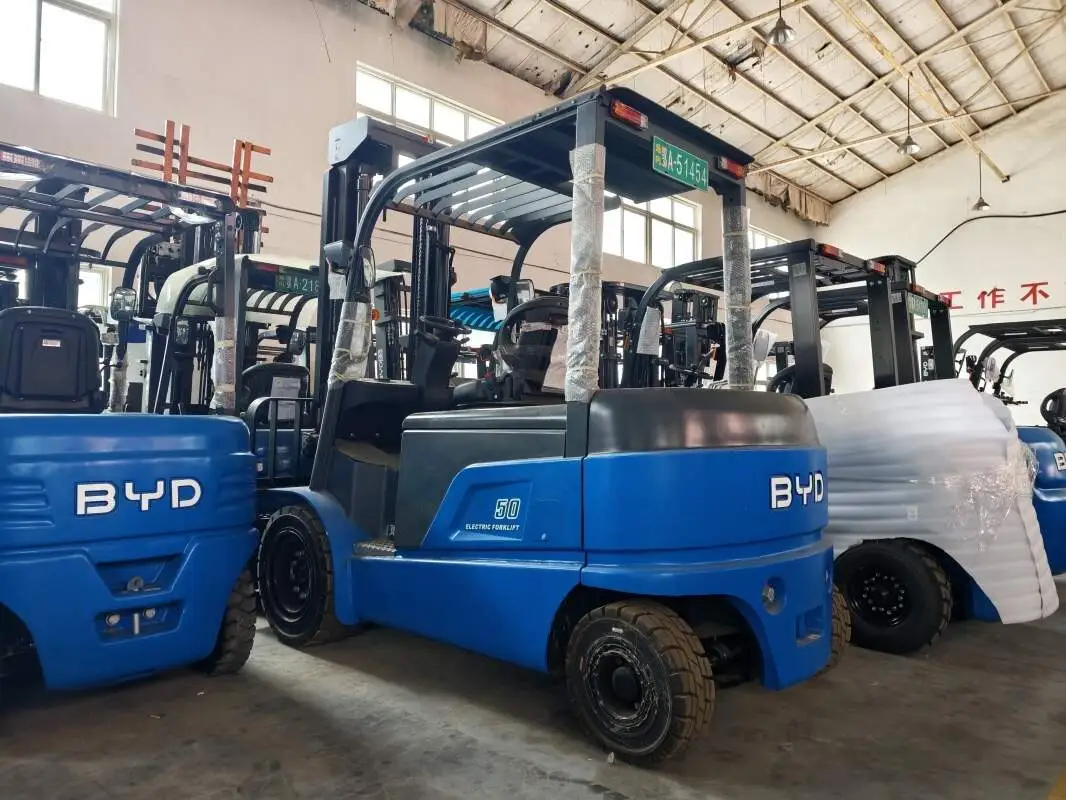
electric forklifts serve as indispensable workhorses in warehouses, distribution centers, and manufacturing facilities, handling heavy loads on a daily basis. Over time, constant use and environmental factors can lead to wear and tear, reducing efficiency and shortening equipment lifespan. However, with proactive, structured maintenance, these issues can be mitigated, keeping your forklifts operating reliably for years to come.
Routine Pre- and Post-Operation Inspections
Before each shift, operators should conduct a thorough visual check of key components. This includes examining tires for cracks, bulges, or uneven wear that could compromise stability; inspecting hydraulic hoses for leaks that might lead to system failure; testing brake systems to ensure responsiveness; and verifying that lights, horns, and safety features function as intended. Post-operation, wiping down the forklift to remove dirt, debris, and corrosive materials prevents buildup that can damage metal parts and electrical components over time. Documenting these inspections helps track minor issues before they escalate into costly repairs.
Battery Care for Sustained Performance
The battery is the core of an electric forklift, making proper maintenance critical to extending lifespan. Follow manufacturer guidelines for charging cycles to avoid overcharging or undercharging, both of which can accelerate battery degradation. Keep the battery and its surrounding area clean, as dirt and grime can cause short circuits or reduce charging efficiency. For wet-cell batteries, regularly check electrolyte levels and top them up with distilled water when necessary, ensuring levels stay within recommended ranges. Store batteries in a cool, dry area to avoid extreme temperatures, which can reduce capacity and shorten overall battery life.
Regular Lubrication of Moving Components
Lubrication reduces friction between moving parts, minimizing wear and tear that can lead to premature component failure. Consult your forklift’s manual to identify all critical lubrication points, such as lift chains, pivot joints, steering mechanisms, and wheel bearings. Use the specified type of lubricant and adhere to a scheduled lubrication timeline—over-lubrication can attract dirt and cause clogs, so apply just enough to coat parts evenly. Consistent lubrication not only extends component lifespan but also ensures smoother operation, reduces energy consumption, and lowers the risk of unexpected breakdowns.
Operator Training and Safe Handling Practices
Even the most rigorous maintenance cannot compensate for improper operation. Train operators on correct handling techniques, including avoiding sudden starts and stops, adhering to load capacity limits, and navigating ramps and tight spaces safely. Educate them to recognize early signs of equipment issues, such as unusual noises, reduced lifting power, or sluggish steering, so they can report problems promptly. Well-trained operators are less likely to cause accidental damage, directly contributing to longer equipment lifespan and reduced repair costs.
Scheduled Professional Maintenance
While daily operator checks are essential, periodic professional inspections are equally important. Certified technicians can perform in-depth assessments of components like motors, hydraulic systems, and electrical wiring that operators may miss. They can also conduct necessary repairs, replace worn parts, and calibrate systems to ensure optimal performance. Develop a maintenance schedule based on usage hours rather than just calendar time, as this ensures servicing is tailored to the forklift’s actual wear and tear, maximizing its lifespan and reliability.
By combining these proactive maintenance approaches, you can significantly extend the lifespan of your electric forklifts, reduce downtime, and lower long-term operational costs. Consistent care and attention to detail are key to keeping your equipment running efficiently and safely for years.