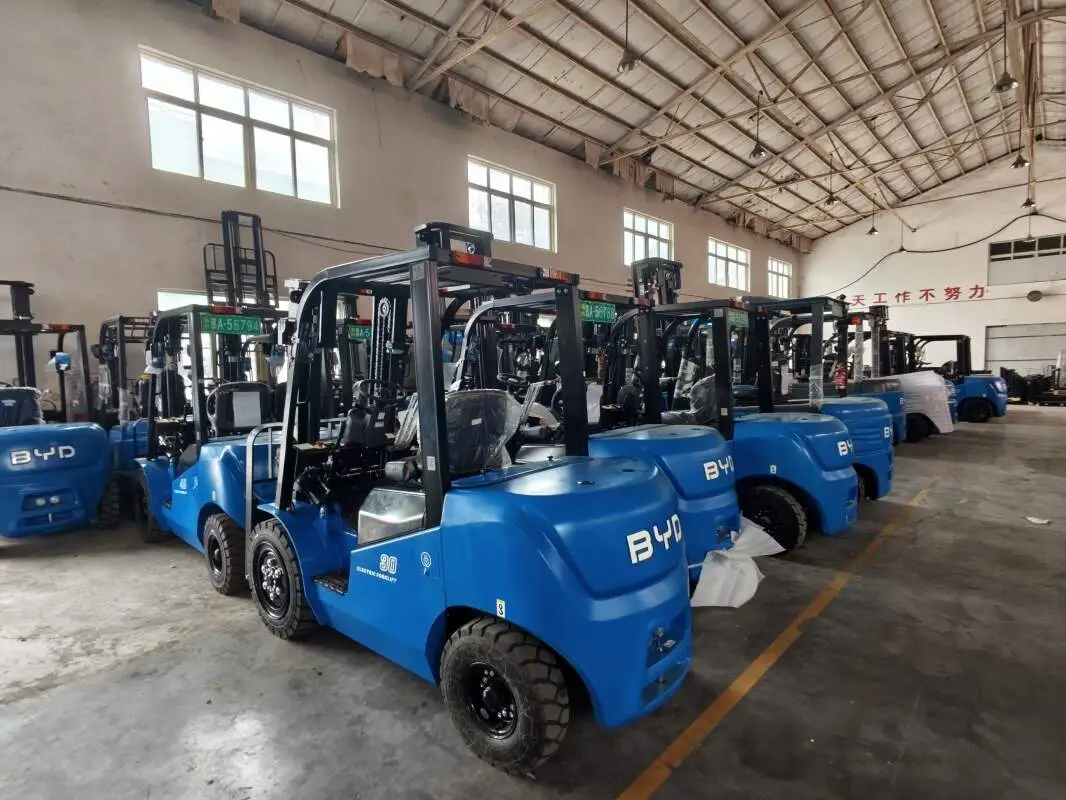
For global buyers seeking cost-effective material handling solutions, China’s forklift market offers a wide range of options with varying price points. Understanding these prices and the factors that drive them is critical to making a smart investment that aligns with operational needs and budget constraints.
Several key factors shape forklift prices in China. First, the type of forklift plays a major role. electric forklifts, which are popular for indoor use due to zero emissions and low noise, typically come with a higher upfront cost compared to internal combustion models, thanks to advanced battery technology and electronic components. Load capacity is another significant factor; forklifts designed to carry 1-ton loads are more affordable than those with a 5-ton or higher capacity, as larger models require sturdier frames, more powerful engines, and robust hydraulic systems. Additionally, custom configurations such as specialized attachments (like side shifters or fork positioners), extended lift heights, or enhanced safety features can increase the price by 10% to 30% depending on the complexity of the modification.
When it comes to typical price ranges, small electric forklifts with a 1-2 ton load capacity usually start from around $3,500 to $6,000. Mid-sized electric forklifts (3-4 tons) fall in the $7,000 to $12,000 range, while heavy-duty electric models (5 tons and above) can cost $15,000 or more. For internal combustion forklifts, the price points are generally lower: small 1-2 ton models start at $2,800 to $4,500, mid-sized 3-4 ton versions range from $5,000 to $9,000, and heavy-duty models can go up to $13,000. It’s important to note that these are approximate figures, and prices may fluctuate based on raw material costs, supply chain conditions, and seasonal demand.
Global buyers should also consider more than just the upfront price when evaluating forklift options. Total cost of ownership (TCO) includes expenses like shipping, customs duties, maintenance, and replacement parts. Working with reputable suppliers who offer clear after-sales support can help reduce long-term costs and minimize downtime. Additionally, bulk purchasing may qualify buyers for volume discounts, which can significantly lower the per-unit price. It’s advisable to request detailed quotes from multiple suppliers, compare specifications and included services, and verify the supplier’s track record to ensure product quality and reliability.
In summary, China’s forklift market provides diverse choices for global buyers with varying budgets. By understanding the key factors influencing prices, familiarizing themselves with typical cost ranges, and considering the total cost of ownership, buyers can navigate the market effectively and select forklifts that meet their operational requirements without overspending.