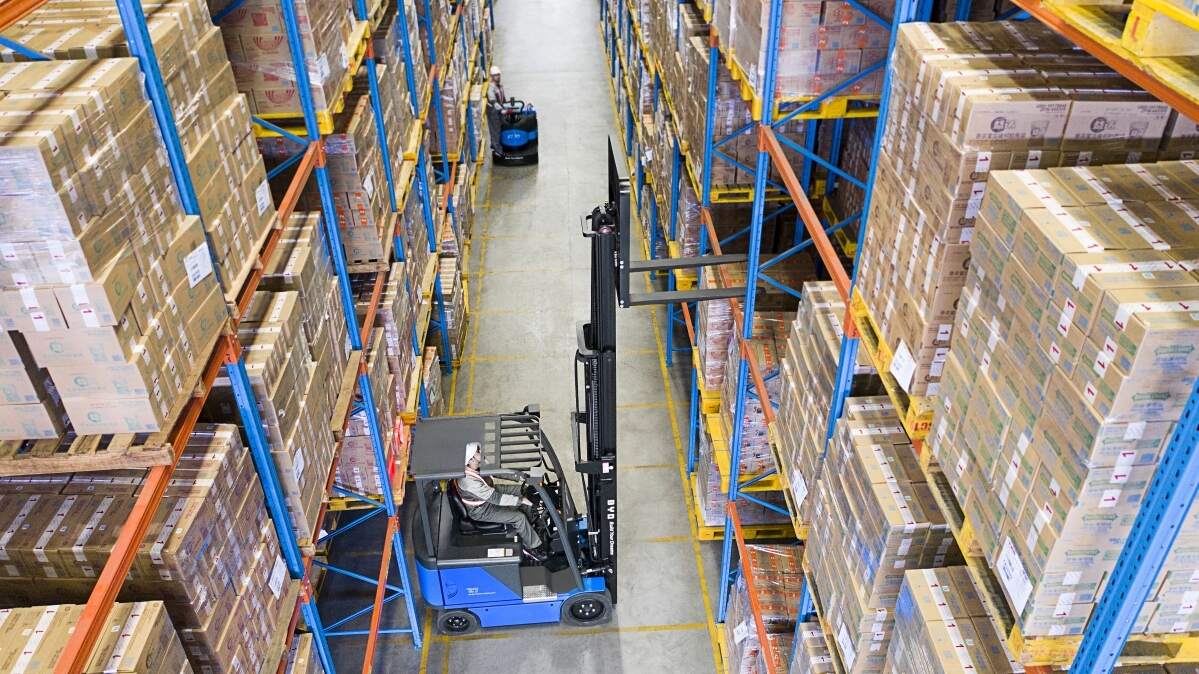
Propane-powered forklifts are widely used in warehouses, distribution centers, and manufacturing facilities for their efficiency and low emissions. However, safe operation relies heavily on understanding and adhering to forklift propane tank specs, as well as following proper connection and refuelling protocols. Neglecting these details can lead to safety hazards, equipment damage, or regulatory non-compliance.
First, let’s examine key forklift propane tank specifications. Standard propane tanks for forklifts typically come in two primary capacity ranges: 33-pound and 42-pound, which correspond to roughly 7.8 gallons and 10 gallons of propane respectively. These sizes are optimized for balance and maneuverability on forklifts, ensuring the vehicle remains stable during operation.
Next, pressure rating is a critical spec. Forklift propane tanks are designed to withstand a maximum working pressure of 250 PSI (pounds per square inch), with a burst pressure rating that exceeds this to account for temperature fluctuations. It’s essential to verify that the tank’s pressure rating matches the forklift’s system requirements to prevent leaks or structural failure.
Material construction is another vital spec. Most forklift propane tanks are made from high-quality steel, which offers durability and resistance to corrosion. Some tanks may also feature a protective coating to extend their lifespan, especially in harsh working environments where exposure to moisture or chemicals is common. Additionally, tanks must be equipped with a pressure relief valve that activates automatically if internal pressure exceeds safe levels, releasing excess propane to prevent explosions.
Proper tank connection is integral to safe forklift operation. Before connecting a tank, always inspect it for signs of damage, such as dents, rust, or loose fittings. Ensure the forklift’s engine is turned off, and the area is well-ventilated to avoid propane buildup.
When connecting the tank, align the fitting with the forklift’s fuel line and tighten it securely using the appropriate tools—avoid over-tightening, as this can damage the seal. Once connected, perform a leak test by applying a soapy water solution to the connection points. If bubbles form, this indicates a leak; disconnect the tank immediately and address the issue before use.
Refuelling operations require strict adherence to safety guidelines to prevent accidents. First, ensure the refuelling area is clear of ignition sources, such as open flames, sparks, or hot equipment. Only refuel forklifts in designated, well-ventilated zones away from pedestrian traffic.
Before refuelling, turn off the forklift engine and engage the parking brake. Remove the tank from the forklift carefully, using proper lifting techniques to avoid strain or damage. When transferring propane, use a certified refuelling station or approved equipment. Never overfill the tank—most tanks have a fill limit of 80% capacity to allow for expansion of propane as temperatures rise.
After refuelling, reattach the tank to the forklift and perform another leak test. Ensure all fittings are secure before starting the engine. It’s also important to keep records of refuelling dates and tank inspections to maintain compliance with safety regulations.
Understanding forklift propane tank specs and following safe connection and refuelling procedures is essential for protecting workers, preventing equipment damage, and maintaining regulatory compliance. By prioritizing these practices, facilities can create a safer work environment while maximizing the efficiency and lifespan of their propane-powered forklifts.