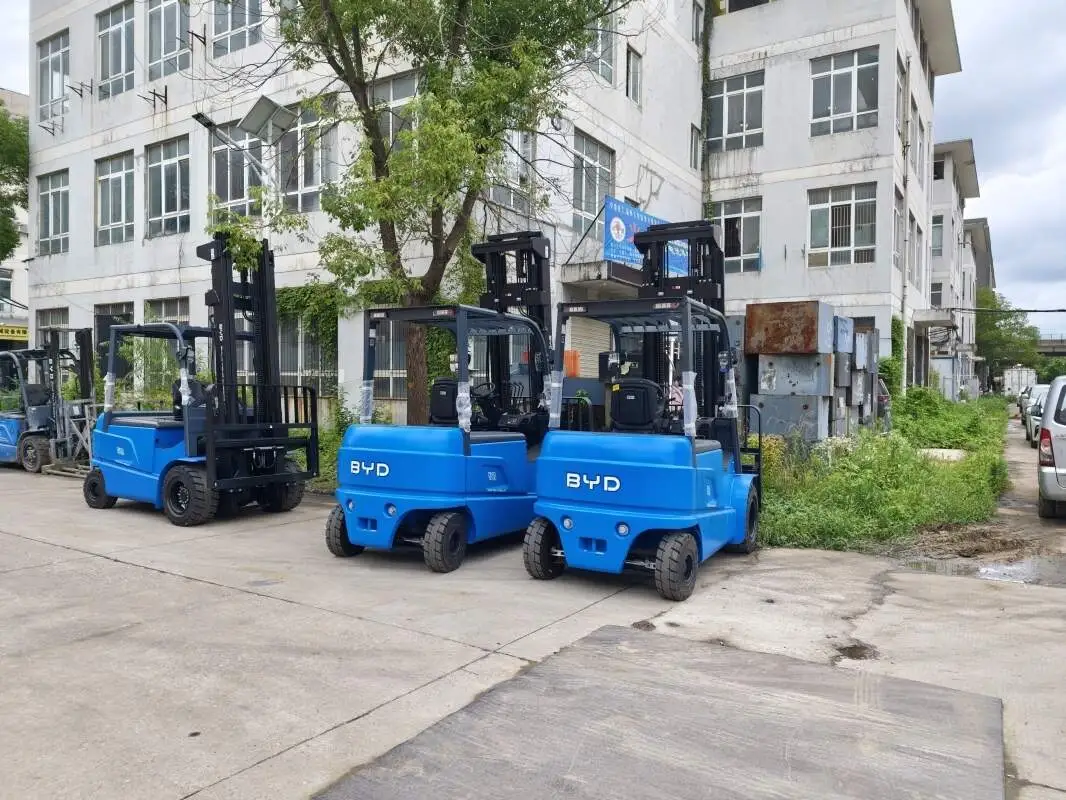
Daily site work with forklifts demands consistent attention to safety, as even minor equipment issues can lead to costly accidents or operational disruptions. A structured safety accessories checklist is essential for operators to conduct pre-operation inspections, ensuring all critical components are in proper working order before starting tasks. This checklist covers key categories of accessories that play a vital role in maintaining a safe work environment for both operators and on-site personnel.
Starting with visibility-related accessories, operators must verify that all lighting systems are functional. This includes headlights for low-light conditions, taillights to signal movement to others, and turn indicators to communicate intended directions. Side mirrors should be adjusted to provide unobstructed views of the forklift’s surroundings, helping operators spot pedestrians or obstacles in blind spots. Additionally, rotating warning beacons should be tested to ensure they emit a clear, audible and visual alert, alerting nearby workers when the forklift is in motion.
Safety warning and signage accessories are another critical component of the checklist. Operators should inspect the condition of warning labels placed on the forklift, ensuring they are legible and free from damage or fading. These labels often include important guidelines like load capacity limits and safe operating procedures. The horn should be tested to confirm it produces a loud, distinct sound, allowing operators to signal their presence in busy work areas. Any damaged or missing warning accessories should be replaced immediately to maintain clear communication on-site.
Load-handling accessories require thorough inspection to prevent load instability or equipment failure. Operators should check the condition of forks, looking for signs of bending, cracking, or excessive wear. Fork sleeves or attachments, if used, should be securely fastened and free from damage. The operator’s seat belt is a non-negotiable safety accessory; it must be in good working condition, with no fraying or broken buckles, and operators should confirm it locks properly when fastened. This accessory is crucial for protecting operators in case of sudden stops or tip-overs.
Brake and control accessories are fundamental to safe forklift operation. Operators should test the service brakes to ensure they respond promptly when applied, with no sponginess or delay. Parking brakes should be engaged to verify they hold the forklift in place on flat surfaces. Steering components should be checked for smooth operation, with no excessive play or unusual noises. Hydraulic controls for lifting and tilting loads should also be tested to ensure they function smoothly, with no leaks or slow response times.
Other miscellaneous safety accessories include fire extinguishers, which should be inspected to confirm they are fully charged and within their expiration date. Anti-slip floor mats in the operator’s cabin should be checked for wear or damage, as they help maintain operator stability during operation. At the end of the checklist, operators should document their findings, reporting any issues to maintenance personnel for repairs before using the forklift. By consistently following this safety accessories checklist, operators can significantly reduce the risk of accidents, ensuring a safer and more efficient daily work site.