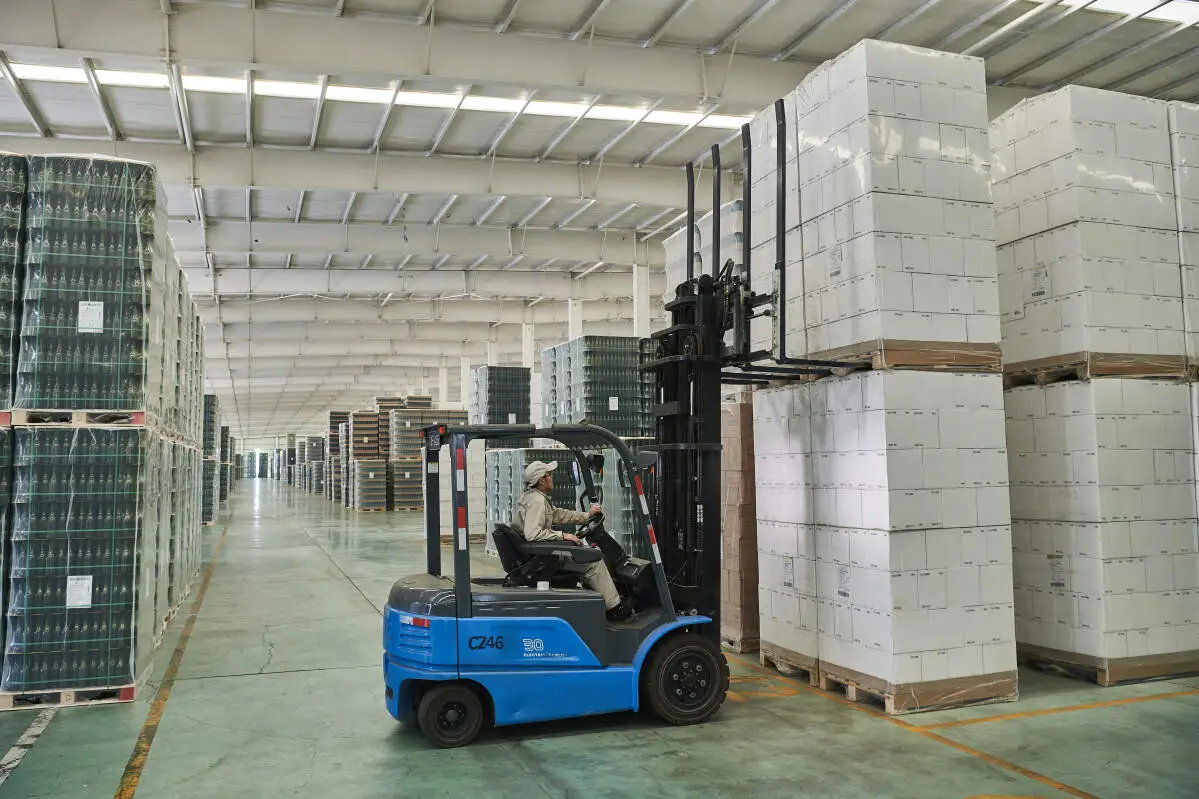
Forklifts are indispensable tools in warehouses, distribution centers, and manufacturing facilities, but their improper operation can lead to serious accidents, injuries, and property damage. Every year, countless incidents occur due to avoidable operator mistakes, making forklift safety a top priority for any workplace. Understanding and addressing these common errors is key to creating a safe environment for both operators and nearby personnel.
Speeding and Reckless Driving is one of the most prevalent mistakes. Many operators underestimate the stopping distance of these heavy machines, especially when carrying loads. Sudden turns or stops can cause the forklift to tip over, or the load to shift and fall. Even in empty aisles, maintaining a safe speed ensures operators have enough time to react to unexpected obstacles, such as other workers or equipment. Rushing through tasks may save a few minutes in the short term, but it puts everyone at risk of long-term harm.
Ignoring Blind Spots is another critical error. Forklifts have significant blind spots, particularly when carrying large or tall loads. Failing to check these areas before moving can result in collisions with pedestrians, racks, or other vehicles. Operators should use mirrors effectively, sound the horn when approaching blind corners, and always yield to pedestrians. In busy environments, having a spotter can also help navigate tight spaces and reduce visibility-related risks, ensuring no one is caught off guard by a moving forklift.
Improper Load Handling ranks high among preventable mistakes. Overloading a forklift or securing loads incorrectly is a major safety hazard. Each forklift has a specified load capacity, and exceeding this limit can compromise stability, leading to tip-overs. Even within capacity, unevenly distributed loads can shift during movement, causing the forklift to become unbalanced. Operators must inspect loads before lifting, ensure they are centered on the forks, and use straps or binders to secure unstable items. Taking the time to handle loads properly prevents costly damage and potential injuries.
Neglecting Safety Equipment is an oversight with severe consequences. Failing to use seatbelts is a common mistake that can be fatal. In the event of a tip-over, seatbelts keep operators inside the protective frame of the forklift. Additionally, ignoring other safety features like overhead guards or rearview mirrors reduces the operator’s ability to protect themselves and others. Regularly checking that all safety equipment is functional and using it consistently is non-negotiable for every forklift operator.
Skipping Pre-Operation Inspections is a habit that leads to avoidable accidents. Many operators skip daily pre-use checks, assuming the forklift is in working condition. However, small issues like worn tires, faulty brakes, or low fluid levels can escalate into major failures during operation. Inspecting the forklift before each shift allows operators to identify and report problems promptly, preventing equipment malfunctions that could cause collisions or tip-overs. Checks should include examining brakes, steering, lights, and hydraulic systems to ensure everything operates as intended.
By addressing these common operation mistakes, forklift operators can significantly reduce the risk of accidents. Employers also play a crucial role by providing comprehensive training, enforcing safety protocols, and conducting regular audits. Remember, forklift safety is a shared responsibility—every small step taken to operate these machines carefully can protect lives and prevent costly workplace incidents.