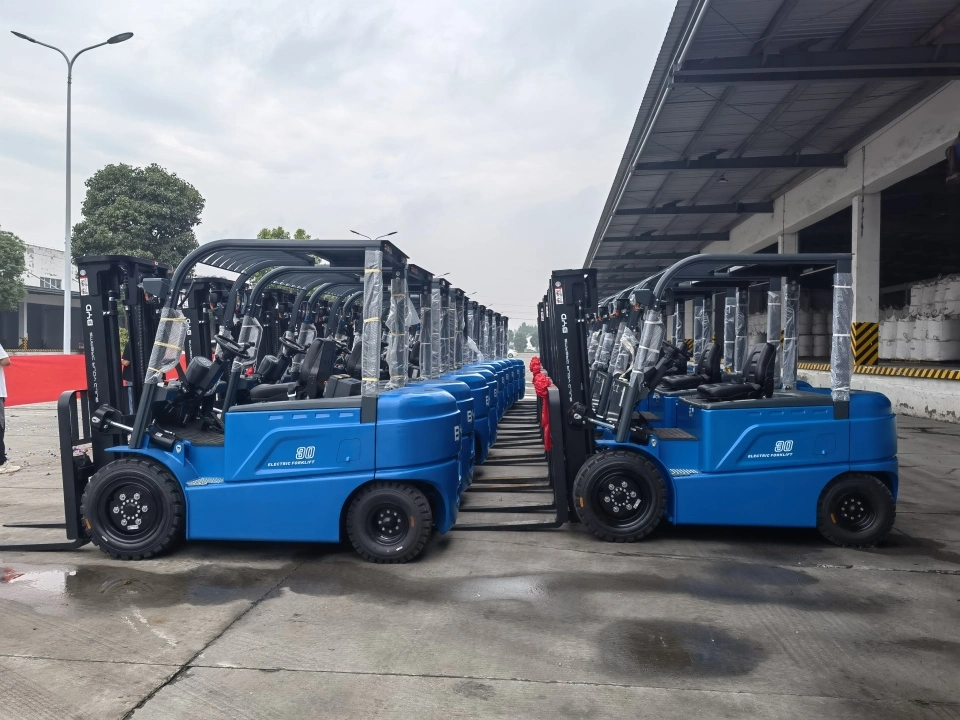
Forklifts are workhorses in warehouses, distribution centers, and manufacturing facilities, keeping daily operations running smoothly. When unexpected failures occur, they can lead to costly downtime and safety risks. Understanding how to troubleshoot common issues is essential for operators and maintenance teams to resolve problems quickly and efficiently.
Battery Malfunctions
One of the most frequent issues with electric forklifts is battery-related problems, including rapid power drain or failure to start. Begin troubleshooting by inspecting the battery terminals: corrosion or loose connections can disrupt power flow. Clean corroded terminals with a wire brush and tighten any loose bolts. Next, check the electrolyte levels—low levels can reduce battery performance. Add distilled water to bring levels up to the recommended mark, taking care not to overfill. If issues persist, use a multimeter to test the battery voltage; readings below the manufacturer’s specified range may indicate a need for recharging or battery replacement.
Hydraulic System Failures
Hydraulic system issues often manifest as slow lifting, inability to raise loads, or fluid leaks. Start by checking the hydraulic oil reservoir: low oil levels can impede system function. Top up with the recommended hydraulic fluid if needed. Inspect all hydraulic lines and seals for signs of leaks—even small drips can lead to performance issues over time. Replace damaged seals or hoses promptly to prevent further fluid loss. If the system still underperforms, check the hydraulic pump for wear or damage; a faulty pump may require professional servicing to restore functionality.
Operational Control Problems
Control-related issues, such as unresponsive steering or brake failure, pose significant safety hazards. For steering problems, inspect the steering linkage for loose components or excessive wear. Tighten any loose bolts and lubricate moving parts to improve responsiveness. For brake issues, first check the brake fluid level in the reservoir—low fluid can reduce braking power. If levels are low, add the appropriate brake fluid and inspect lines for leaks. Additionally, examine the brake pads for wear; worn pads should be replaced immediately to maintain safe stopping capabilities.
Motor Overheating
Overheating is a common concern that can shorten the lifespan of an electric forklift’s motor. Begin by checking the cooling system: ensure the radiator or heat sink is free of dust, dirt, and debris, which can block airflow. Clean the cooling components with compressed air if necessary. Next, verify that the cooling fan is operating correctly—malfunctioning fans can fail to dissipate heat effectively. Finally, confirm that the forklift is not being overloaded beyond its rated capacity, as excessive weight can strain the motor and cause overheating.
By addressing these common failures with practical troubleshooting steps, you can minimize downtime, extend the lifespan of your forklift, and maintain a safe work environment. Remember, regular preventive maintenance is key to reducing the likelihood of unexpected issues, so create a scheduled maintenance plan to keep your forklifts in optimal condition.