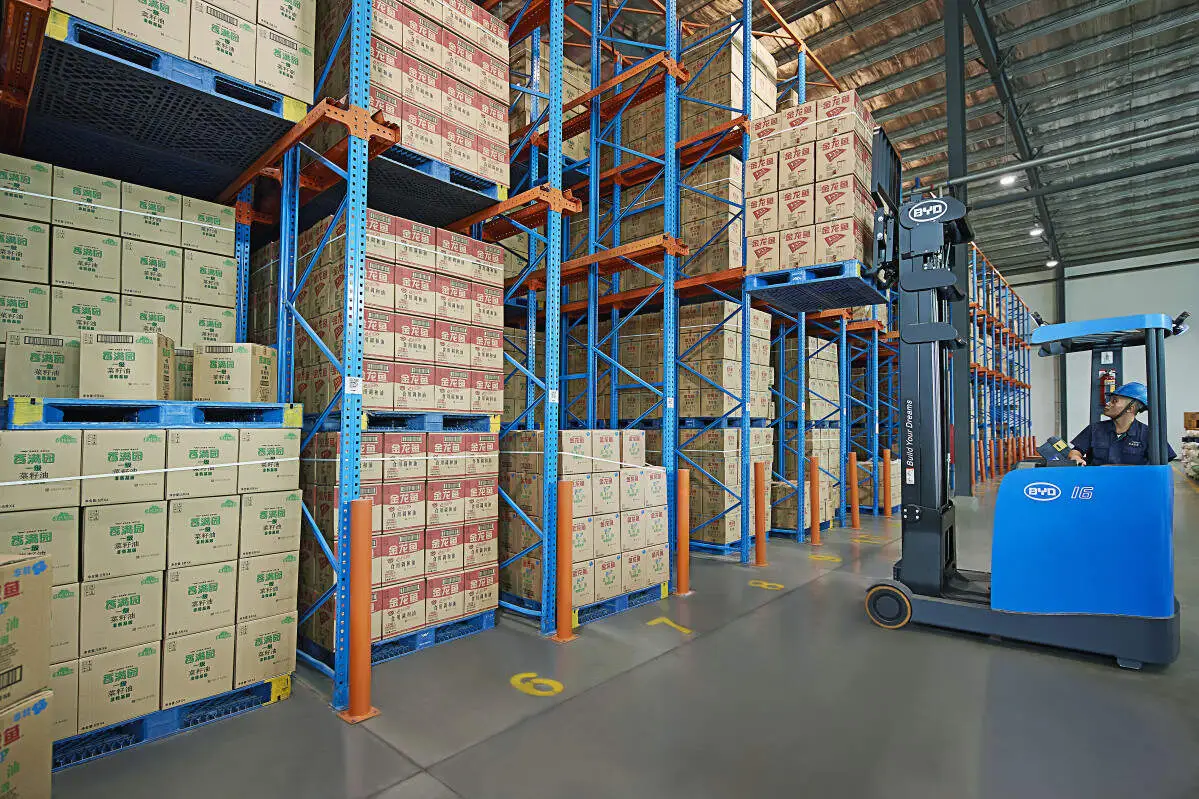
The forklift truck market in the USA is a dynamic sector, with price points varying significantly based on a range of critical factors. For businesses and buyers looking to invest in these industrial workhorses, understanding what drives market rates is essential for making cost-effective, informed decisions.
One of the primary determinants of forklift truck prices in the USA is the type and design of the vehicle. electric forklifts, increasingly popular for indoor warehouse operations due to zero emissions and lower noise levels, tend to have a higher upfront cost compared to internal combustion engine (ICE) models. This stems from advanced battery technology and specialized electric components they incorporate. In contrast, ICE forklifts powered by gasoline, diesel, or propane often have a lower initial price tag but may incur higher long-term fuel and maintenance costs. Specialized forklifts, such as reach trucks for narrow aisles or rough-terrain models for outdoor construction sites, command premium prices due to their tailored design features that meet niche operational needs.
Load capacity is another key factor influencing market rates. Forklifts designed to handle heavier loads, typically ranging from 5,000 to over 30,000 pounds, require sturdier frames, more powerful engines, and reinforced lifting mechanisms—all of which contribute to higher pricing. Beyond load capacity, performance specifications like lifting height, travel speed, and maneuverability also play a role. Forklifts with extended lifting heights for high-rise storage systems or enhanced maneuverability for tight spaces often cost more than standard models, as they address specialized operational demands that require additional engineering and component strength.
The choice of fuel source directly impacts forklift pricing. Electric forklifts using lithium-ion batteries, for example, are more expensive than those with lead-acid batteries, but they offer faster charging times, longer lifespans, and reduced maintenance requirements. For ICE forklifts, propane-powered models may have a higher initial cost than gasoline alternatives but are favored for their longer runtime and lower emissions in outdoor settings. Energy efficiency features, such as regenerative braking systems in electric forklifts, can also add to the price but result in lower operational costs over time by reducing energy consumption.
Optional features and customizations can significantly drive up forklift prices in the USA. Many buyers opt for add-ons like reverse cameras, advanced safety sensors, ergonomic seating, and specialized attachments such as clampers or rotators to improve operational efficiency and worker safety. These features enhance the forklift’s functionality but require additional engineering and component costs, translating to a higher market rate. Custom modifications, such as adjusted lift heights or specialized tires for specific terrain, also contribute to price variations by tailoring the equipment to unique workplace requirements.
Market demand and regional economic dynamics also influence forklift truck prices. During periods of strong industrial growth, when warehouses, manufacturing facilities, and construction projects expand, demand for forklifts rises, leading to higher prices due to increased competition for available inventory. Conversely, in slower economic periods, suppliers may offer discounts to stimulate sales. Regional variations also play a role; areas with higher transportation costs or stricter emissions regulations may see higher prices for electric forklifts, as businesses invest in compliant equipment to meet local standards and avoid penalties.
In conclusion, navigating forklift truck prices in the USA requires a thorough understanding of the multiple factors that shape market rates. From vehicle type and load capacity to fuel source, additional features, and market conditions, each element contributes to the final cost. By evaluating these factors against their specific operational needs and budget constraints, buyers can select the right forklift that balances performance, cost-effectiveness, and long-term value.