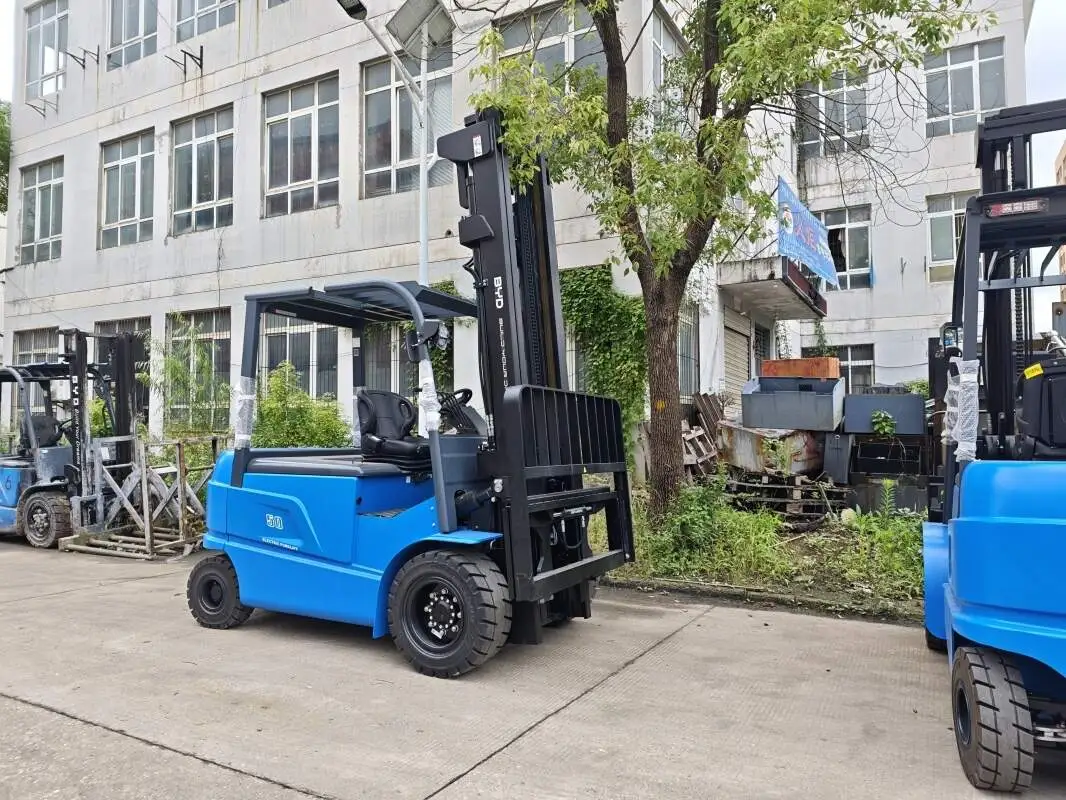
In the era of intelligent logistics, smart warehouses are redefining material handling standards, with fully automatic electric forklifts emerging as a core component of efficient operations. These advanced vehicles combine automated technology with electric power, delivering a range of functional benefits tailored to meet the evolving demands of modern warehouse management.
One of the primary functional advantages is enhanced operational efficiency. Unlike manual forklifts that rely on operator schedules and rest breaks, fully automatic electric forklifts can operate continuously with minimal downtime, only pausing for battery recharging or routine maintenance. Equipped with advanced navigation systems, they can precisely navigate narrow aisles, stack pallets at optimal heights, and complete material transfer tasks with consistent speed, significantly increasing daily handling throughput. This reliability is especially critical for high-volume smart warehouses where every minute of operation directly impacts overall supply chain performance.
Workplace safety is another key benefit. Fully automatic electric forklifts integrate a suite of sensors, including LiDAR and cameras, that detect obstacles, personnel, and other equipment in real time. This allows them to adjust routes automatically, avoid collisions, and follow strict safety protocols without human intervention. By eliminating the risk of operator fatigue, inattention, or error, these forklifts reduce the likelihood of workplace accidents, creating a safer environment for warehouse staff while protecting valuable inventory.
Environmental sustainability is a crucial consideration for modern warehouses, and fully automatic electric forklifts excel in this area. Powered by rechargeable batteries, they produce zero tailpipe emissions, making them ideal for indoor warehouse environments where air quality is a priority. Additionally, their electric motors operate with significantly lower noise levels compared to traditional internal combustion forklifts, reducing workplace noise pollution and creating a more comfortable working environment. This aligns with the green initiatives many smart warehouses are adopting to minimize their carbon footprint.
Seamless integration with smart warehouse management systems (WMS) further amplifies their value. Fully automatic electric forklifts can connect directly to WMS platforms, receiving real-time task assignments and updating inventory data as tasks are completed. This two-way communication enables dynamic route optimization, ensures accurate inventory tracking, and allows warehouse managers to monitor forklift performance remotely. By leveraging data analytics, operations can be continuously refined, identifying bottlenecks and improving overall workflow efficiency.
Finally, these forklifts offer long-term cost savings. Electric powertrains have fewer moving parts than internal combustion engines, reducing the need for frequent maintenance and replacement parts. Battery charging costs are also typically lower than fuel expenses for traditional forklifts, especially when using off-peak electricity rates. Over time, these savings add up, making fully automatic electric forklifts a cost-effective investment for smart warehouse operations.
As smart warehouses continue to evolve, the role of fully automatic electric forklifts will only grow in importance. Their combination of efficiency, safety, sustainability, smart integration, and cost-effectiveness makes them a valuable asset for any warehouse looking to optimize its material handling operations. For those seeking reliable fully automatic electric forklift solutions, Jianshu New Energy specializes in BYD electric forklifts. You can reach us at 17399989919@163.com to learn more about how these advanced vehicles can transform your smart warehouse.