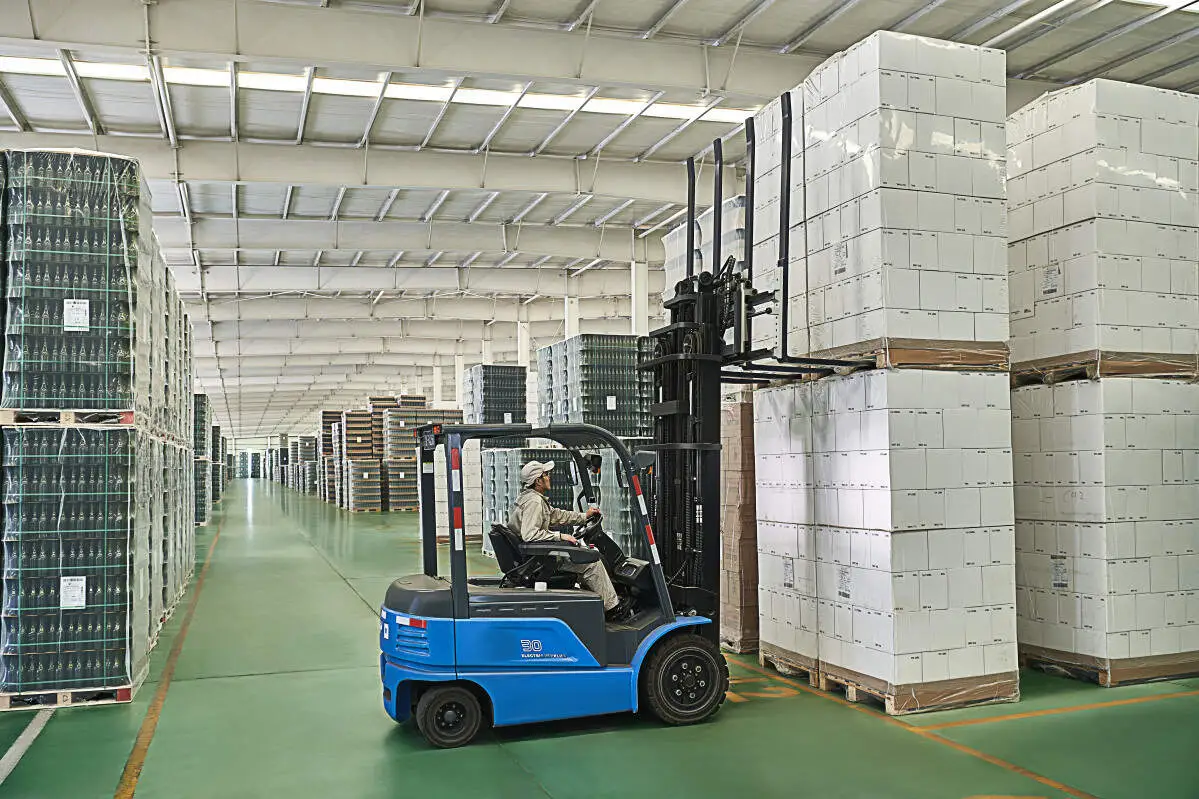
In modern warehouse operations, forklifts play a critical role in moving goods efficiently, but managing a fleet manually can lead to inefficiencies, unplanned downtime, and safety risks. forklift truck telematics has emerged as a transformative solution, leveraging connected technology to enhance every aspect of forklift fleet management and warehouse performance.
One of the primary functions of forklift telematics is real-time fleet tracking. Equipped with GPS and connectivity tools, telematics systems provide warehouse managers with live visibility into the location and status of every forklift in the fleet. This eliminates the need for manual checks and allows for dynamic scheduling: when a forklift is idle or close to a pending task, managers can redirect it immediately, reducing wait times for loading and unloading. Real-time tracking also helps prevent unauthorized use of forklifts, ensuring equipment is only deployed for approved tasks, which optimizes overall resource utilization.
Preventive maintenance is another essential function that telematics delivers. Traditional maintenance schedules are often based on fixed time intervals, which can lead to unnecessary servicing or missed issues that cause sudden breakdowns. Telematics systems use onboard sensors to monitor key components like battery health, brake systems, and hydraulic performance in real time. When sensors detect anomalies—such as low battery voltage or unusual wear on parts—the system sends automated alerts to maintenance teams. This allows for proactive repairs before small issues escalate into costly downtime, extending the lifespan of forklifts and reducing long-term maintenance expenses.
Warehouse safety is significantly enhanced through telematics capabilities. Telematics systems can track operator behavior, monitoring for unsafe practices like speeding, sudden braking, or improper load handling. When a violation is detected, the system triggers in-cab alerts to remind operators to correct their actions, and logs the incident for managers to review. Some systems also include geofencing features, which restrict forklifts from entering restricted areas like pedestrian zones or storage racks with low clearance. By promoting safer operation, telematics helps reduce workplace accidents, lower liability risks, and create a more secure environment for all warehouse staff.
Lastly, telematics provides valuable data analytics to drive informed operational decisions. Over time, the system collects data on fleet utilization, task completion times, maintenance trends, and safety incidents. Managers can analyze this data to identify bottlenecks in warehouse workflows—for example, if certain areas consistently experience delays in forklift access, they can adjust layout or scheduling to improve flow. Data analytics also helps optimize inventory management by aligning forklift movements with inventory turnover rates, ensuring goods are moved in the most efficient sequence. By turning raw data into actionable insights, telematics empowers warehouses to continuously refine their operations and boost overall productivity.
As warehouses strive to meet increasing demand for faster order fulfillment, forklift telematics has become an indispensable tool. By combining real-time tracking, preventive maintenance, safety monitoring, and data analytics, this technology transforms forklift fleet management from a reactive process to a proactive, efficient system that supports long-term warehouse success.