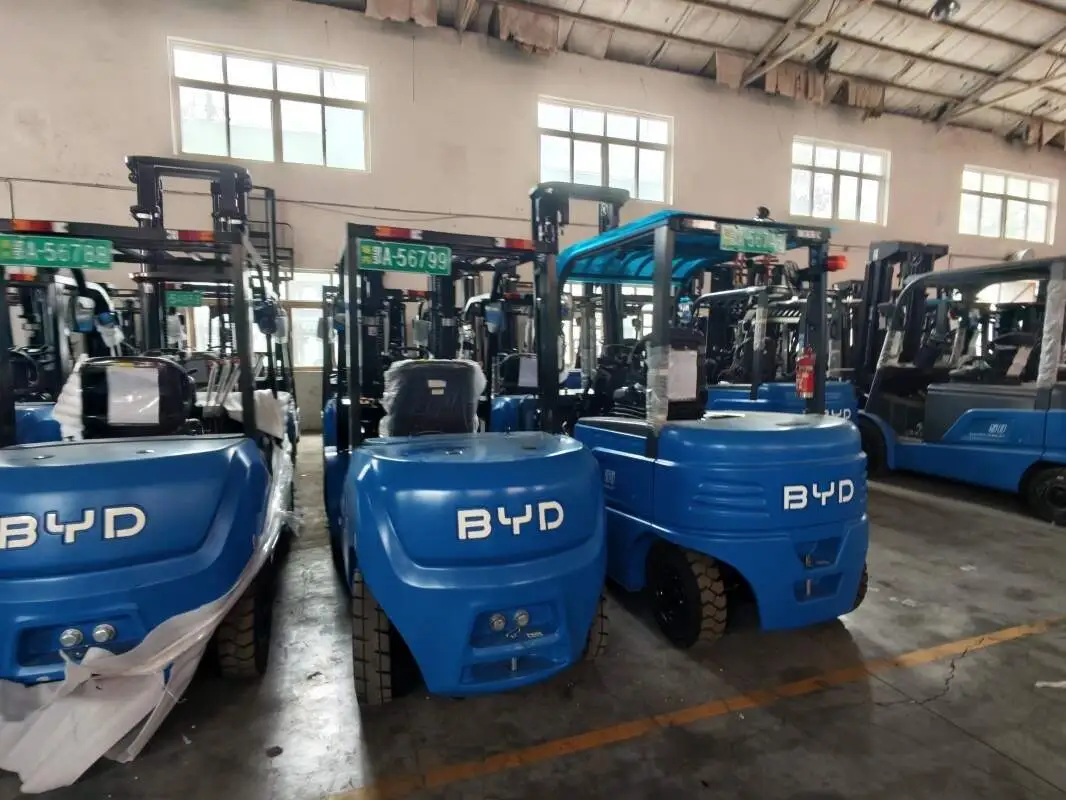
Daily forklift material handling tasks are integral to many industrial and warehouse operations, but they carry inherent risks that can lead to workplace injuries, property damage, or operational disruptions. A structured risk assessment process is essential to proactively address these risks and create a safe working environment.
Pre-Task Hazard Identification
Before initiating any forklift operation, operators and supervisors must conduct a thorough hazard identification. Start with environmental factors: inspect the work area for uneven flooring, wet or slippery surfaces, narrow aisles, overhead obstacles like pipes or beams, and poor lighting. These conditions can impede maneuverability and increase the risk of collisions or tip-overs.
Next, evaluate load-related hazards. Ensure the load is properly balanced, secured, and within the forklift’s weight capacity. Irregularly shaped loads or those with loose components can shift during transport, leading to instability. Also, consider the destination of the load—congested loading docks or areas with pedestrian traffic pose additional risks of accidental contact.
Human factors should not be overlooked. Assess whether operators are adequately trained, well-rested, and free from distractions like mobile devices. Fatigue or inexperience can impair judgment and reaction time, making operators more susceptible to errors.
Risk Level Evaluation
Once hazards are identified, assess their potential impact using a two-dimensional framework: likelihood of occurrence and severity of consequences. For example, a wet floor in a high-traffic aisle has a high likelihood of causing a slip, which could result in moderate to severe injury—classifying this as a high-priority risk. In contrast, a minor obstacle in a rarely used area may have low likelihood and minimal severity, making it a low-priority risk that can be monitored over time.
This evaluation helps prioritize actions: high-risk hazards require immediate intervention, medium-risk hazards need scheduled mitigation plans, and low-risk hazards should be regularly reviewed to prevent escalation.
Implementing Targeted Control Measures
Based on the risk assessment, implement layered control measures to mitigate identified hazards. Engineering controls are the first line of defense: modify the work environment by widening narrow aisles, installing non-slip flooring, or adding overhead warning signs for low-hanging obstacles. For load-related risks, use load stabilizers or securement devices to prevent shifting.
Administrative controls include establishing clear operating procedures, conducting regular safety training sessions, and enforcing rest breaks to reduce operator fatigue. Posting speed limits in busy areas and designating separate pedestrian and forklift pathways also minimize interaction risks.
Personal protective equipment (PPE) serves as a final safeguard. Require operators to wear helmets, high-visibility vests, and steel-toe boots to reduce injury severity if an incident occurs.
Regular Review and Continuous Improvement
Risk assessment is not a one-time task—it should be integrated into daily operations. Conduct pre-shift checks to verify that controls are functioning properly and new hazards have not emerged. Schedule monthly or quarterly formal reviews to assess the effectiveness of implemented measures, using incident reports and operator feedback to identify areas for improvement.
Encourage a culture of safety where operators feel comfortable reporting hazards or near-misses promptly. This feedback loop ensures that the risk assessment process remains adaptive and responsive to changing work conditions.
By following this structured guidance, organizations can significantly reduce the risks associated with daily forklift material handling tasks, protect their workforce, and maintain efficient, uninterrupted operations.