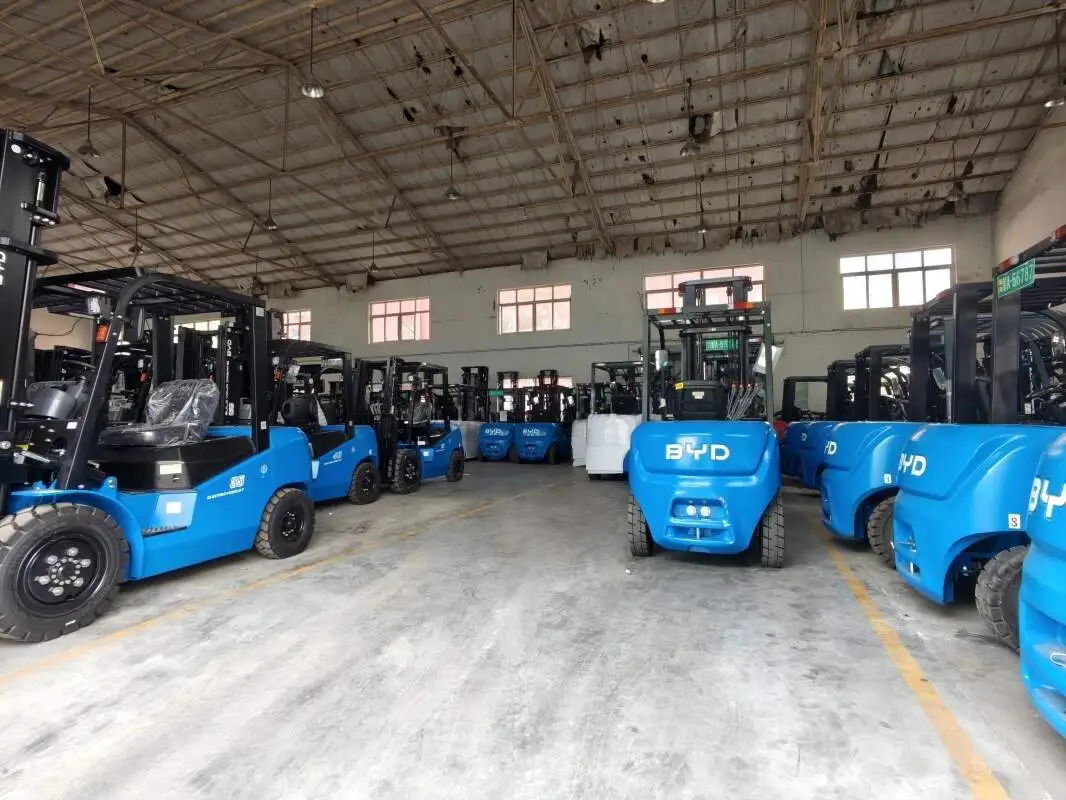
forklift fork adapters play a critical role in extending the functionality of forklifts, enabling them to handle specialized loads or adapt to different lifting scenarios. For businesses relying on forklift operations, sourcing durable adapters is essential to minimize downtime, ensure workplace safety, and optimize operational efficiency. This guidance outlines key considerations to help you select reliable, long-lasting forklift fork adapters that align with your operational requirements.
Material Quality Assessment
The durability of forklift fork adapters starts with the materials used in their construction. Opt for adapters crafted from high-grade, wear-resistant steel alloys, as these materials offer superior tensile strength and resistance to impact and corrosion. Avoid adapters made from low-quality or recycled steel that may deform under heavy loads or degrade quickly in harsh industrial environments. When evaluating materials, inquire about the manufacturing process—adapters formed through hot rolling or forging tend to have better structural integrity than those fabricated from cut-and-welded components, as the latter may have weak points that can fail over time.
Load Capacity Verification
Matching the adapter’s load capacity to your forklift’s specifications is non-negotiable. Exceeding the rated load capacity of an adapter can lead to structural failure, posing serious safety risks to operators and damaging both the adapter and the forklift. Start by reviewing your forklift’s manufacturer guidelines to determine its maximum lifting capacity, then select adapters that are rated to handle at least that load, with a reasonable safety margin. Additionally, consider the type of loads you typically handle—if you frequently lift uneven or heavy-duty loads, look for adapters with reinforced stress points to distribute weight evenly and prevent premature wear.
Durability Testing Protocols
Before committing to a supplier, ask about the durability testing protocols they use for their fork adapters. Reputable suppliers subject their products to rigorous testing, including load cycle tests, impact resistance tests, and corrosion resistance tests, to ensure they can withstand the demands of daily industrial use. Request test reports or certifications that demonstrate the adapter’s performance under simulated operational conditions. Avoid suppliers that cannot provide evidence of testing, as this may indicate a lack of commitment to quality and durability.
Compatibility Checks
Even the most durable adapter will be ineffective if it does not fit your forklift properly. Prior to sourcing, measure your forklift’s existing forks to ensure the adapter’s dimensions align with the fork width, thickness, and length. Consider the mounting mechanism—some adapters use bolt-on systems, while others rely on clamping mechanisms. Choose a mounting system that is easy to install and secure, as loose or improperly fitted adapters can shift during operation, leading to accidents or damage. Additionally, check if the adapter can be adjusted to accommodate different fork sizes if you operate multiple types of forklifts in your facility.
Supplier Evaluation
Sourcing durable forklift fork adapters also requires evaluating the reliability of the supplier. Look for suppliers with a proven track record of producing high-quality industrial equipment, as they are more likely to provide consistent, durable products. Inquire about their warranty policies—a comprehensive warranty indicates confidence in the product’s durability. Additionally, consider their customer support capabilities, such as technical assistance for installation or maintenance, as this can help you address issues quickly and minimize operational downtime.
By prioritizing material quality, load capacity matching, rigorous testing, compatibility, and supplier reliability, you can source forklift fork adapters that deliver long-lasting performance and support safe, efficient operations. Taking the time to evaluate these key factors will help you make an informed decision that aligns with your business’s operational needs and budget, ensuring a solid return on your investment.