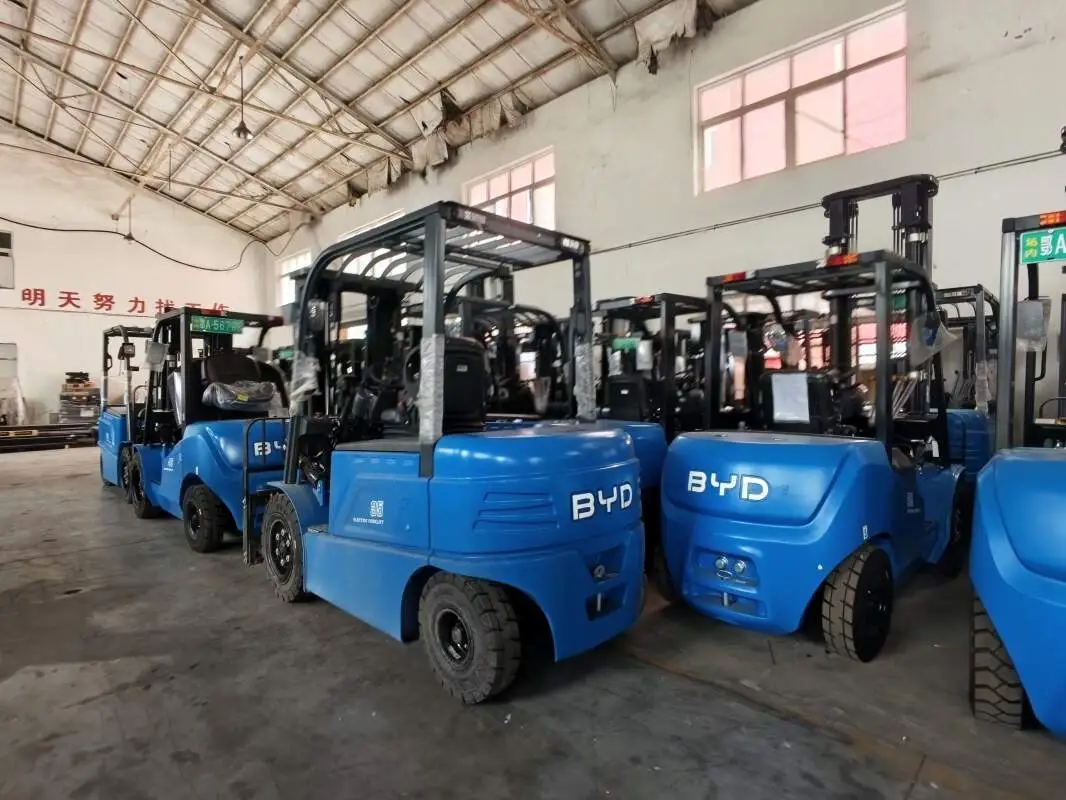
Deploying electric forklifts can significantly boost operational efficiency and reduce carbon footprint in industrial and warehouse settings. However, successful deployment hinges on a thorough pre-deployment site assessment to mitigate risks and ensure optimal performance. As an electric forklift expert, I’ll walk you through key considerations to evaluate before introducing these machines to your facility.
First and foremost, assess the floor stability and load-bearing capacity of your site. Electric forklifts exert significant weight, especially when carrying heavy loads. Uneven or cracked floors can lead to instability, increasing the risk of accidents or equipment damage. Conduct a detailed walkthrough to identify areas with uneven surfaces, potholes, or loose flooring materials. Ensure that all operational zones can support the combined weight of the forklift and its maximum rated load. If weak spots are detected, plan for repairs or reinforcement prior to deployment to avoid costly disruptions.
Second, evaluate the availability and suitability of charging infrastructure. Electric forklifts rely on consistent access to charging stations to maintain uninterrupted operations. Calculate the number of charging points needed based on your fleet size and daily usage patterns. Verify that the site’s electrical system can handle the additional load from charging stations, including matching voltage requirements and sufficient circuit capacity. Additionally, prioritize placing charging stations in safe, accessible areas away from high-traffic zones to avoid congestion and potential collisions. If your site lacks sufficient charging facilities, coordinate installation well in advance of deploying the forklifts.
Third, analyze the site’s space layout and maneuverability. Electric forklifts require adequate space to navigate safely, particularly in narrow aisles or tight corners. Measure aisle widths, turning radii, and clearance heights to ensure they align with the specifications of the electric forklifts you plan to use. Take note of obstacles like pillars, storage racks, or stacked bins that could impede movement. If necessary, adjust the layout or modify storage arrangements to create clear, unobstructed paths for the forklifts. This not only enhances workplace safety but also improves operational efficiency by reducing downtime caused by navigation challenges.
Fourth, identify potential safety hazards and environmental factors. Electric forklifts operate with battery-powered systems, so it’s crucial to assess risks related to battery handling, such as proper storage for spare batteries and access to spill containment kits. Evaluate the site’s ventilation, especially in enclosed spaces, to ensure safe operation and prevent any potential buildup of residual fumes. Additionally, confirm compliance with local safety regulations, including fire safety protocols and clearly marked emergency exit routes.
By conducting a comprehensive site assessment, you can lay a solid foundation for successful electric forklift deployment, minimizing operational disruptions and maximizing the lifespan of your equipment. If you need expert guidance or are looking to acquire electric forklifts for your facility, Jianshu New Energy specializes in electric forklift solutions. Feel free to reach out to us at 17399989919@163.com for personalized advice tailored to your site’s unique needs.