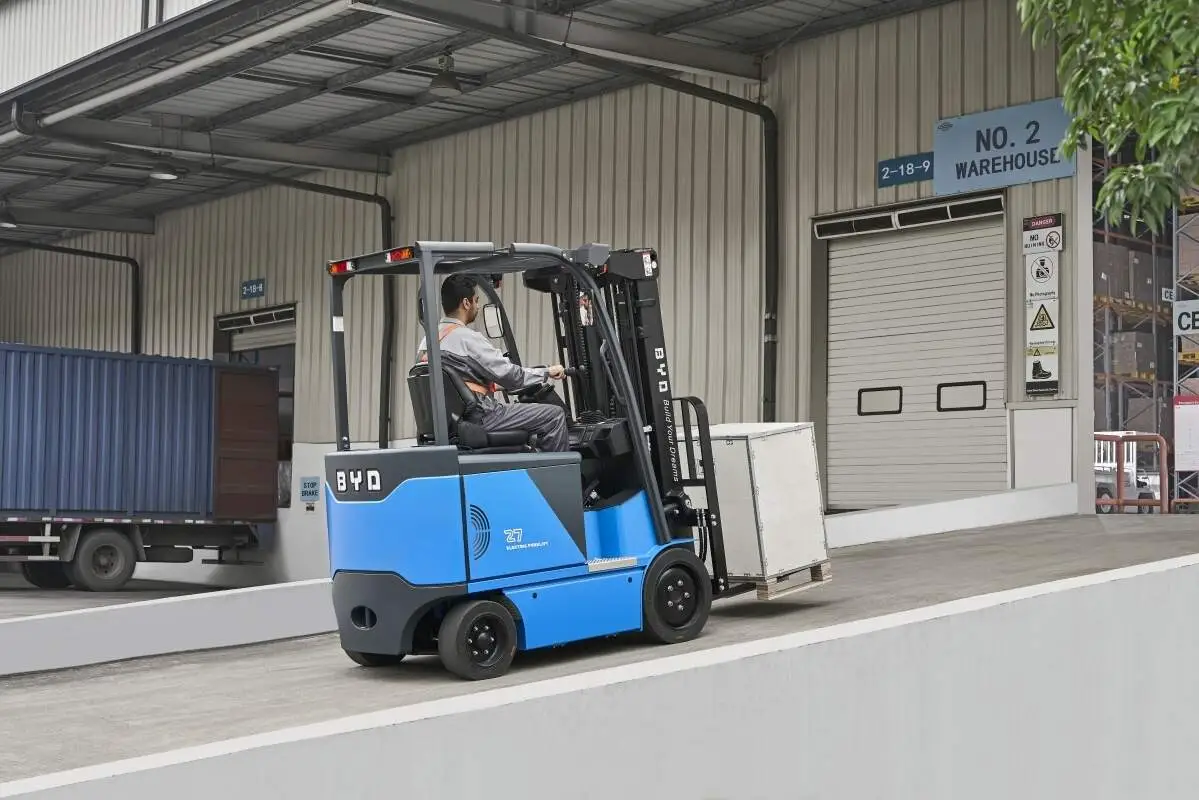
electric forklifts paired with work baskets are invaluable tools for tasks like warehouse maintenance, inventory stocking, and facility repairs, allowing workers to access elevated areas safely. However, ignoring lifting limits can lead to catastrophic accidents, equipment damage, and injury. This guide provides expert insights into adhering to safe lifting boundaries to protect personnel and assets.
1. Understanding Lifting Capacity Basics
Every electric forklift equipped with a work basket has a specified maximum lifting capacity, which includes the combined weight of the basket, operator, tools, and any materials being transported. This capacity is determined by the forklift’s design, including its counterweight, hydraulic system, and frame strength. It is critical to refer to the forklift’s official manual for exact figures, as exceeding this limit can compromise the vehicle’s stability, leading to tip-overs or structural failure.
2. Factors That Impact Lifting Limits
Several variables can reduce the effective lifting capacity of an electric forklift with a work basket:
- Elevation Height: As the basket rises, the forklift’s center of gravity shifts, reducing its stable lifting capacity. For example, lifting to maximum height may require a significant reduction in the total load weight compared to lifting at ground level.
- Load Distribution: Unevenly distributed weight in the work basket can destabilize the forklift. All tools and materials should be placed as close to the center of the basket as possible to maintain balance.
- Terrain Conditions: Sloped or uneven surfaces further reduce the forklift’s safe lifting capacity. Operators should only use the work basket on flat, stable ground whenever possible.
- Environmental Factors: Wet or icy surfaces decrease traction, increasing the risk of slips or tip-overs even within stated lifting limits.
3. Operational Safety Practices to Follow
To ensure compliance with lifting limits and overall safety, operators should adhere to these protocols:
- Pre-Operation Inspection: Before each use, inspect the forklift’s hydraulic system, work basket attachments, and tires for signs of wear or damage. Verify that the lifting capacity labels are legible and up-to-date.
- Load Calculation: Calculate the total load weight before lifting, including the operator’s weight, tools, and materials. Never estimate; use a scale if necessary to ensure accuracy.
- Slow, Controlled Movements: Avoid sudden starts, stops, or turns while the work basket is elevated. Smooth, deliberate movements help maintain stability and prevent load shifts.
- Continuous Monitoring: While operating, keep an eye on the forklift’s stability indicators and be alert to any unusual sounds or movements. If the vehicle shows signs of instability, lower the basket immediately.
Adhering to safe lifting limits for electric forklifts with work baskets is non-negotiable for workplace safety. By understanding capacity basics, accounting for influencing factors, and following strict operational protocols, you can minimize risks and protect both your team and equipment. For reliable BYD electric forklifts and expert guidance, reach out to Jianshu New Energy at 17399989919@163.com. Our team is dedicated to providing solutions that prioritize safety and efficiency for your material handling needs.