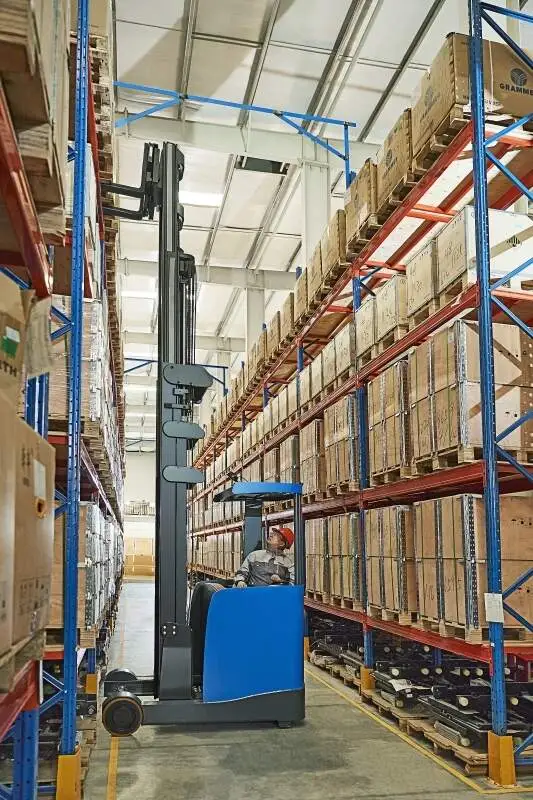
Safety is the cornerstone of efficient material handling operations, and verifying the safety-related configurations of electric forklifts is a critical step to mitigate risks, ensure regulatory compliance, and protect both operators and workplace assets. For businesses relying on electric forklifts, regular safety configuration checks are not just a best practice but a mandatory requirement to maintain a safe working environment.
Before initiating any verification checks, it is essential to gather the necessary documentation, including the forklift’s operation manual, relevant safety standards guidelines, and maintenance records. Ensure the forklift is parked in a flat, well-ventilated area with the ignition turned off and the parking brake fully engaged. Operators conducting the verification should be trained in electric forklift safety protocols to accurately identify potential issues and perform checks correctly.
Core Safety Configuration Checks
#Braking System
Start by inspecting the primary and secondary braking systems. Test the foot brake for consistent responsiveness, ensuring it brings the forklift to a smooth stop without excessive noise, vibration, or delayed response. Verify that the parking brake engages securely and holds the forklift in place on a slight incline. Where applicable, check brake fluid levels and inspect brake pads for wear, replacing them if they fall below the manufacturer’s recommended thickness to avoid compromised stopping power.
#Stability Features
Examine the forklift’s stability configurations to prevent tip-over incidents. Inspect the mast tilt limits to ensure it operates smoothly within the specified range without sticking or overextending. Confirm the load center marker is clearly visible and accurate, as incorrect load positioning is a leading cause of forklift instability. Test the forklift’s stability by slowly lifting a rated load to maximum height and tilting it slightly; any signs of excessive sway or uneven balance indicate a need for adjustment or professional inspection.
#Electrical Safety Components
Electric forklifts rely on complex electrical systems, so verifying these components is crucial to prevent fire or electrocution risks. Inspect battery connections for tightness and corrosion, cleaning and tightening terminals as needed to ensure efficient power transfer. Check the battery’s charge level and confirm the battery management system (BMS) displays accurate charge status and temperature readings. Inspect the wiring harness for fraying, damage, or exposed wires, addressing any issues promptly to avoid electrical malfunctions.
#Operator Protection Systems
Ensure all operator protection features are intact and functional. Verify the overhead guard is securely mounted and free from cracks or structural damage that could compromise its ability to protect the operator from falling objects. Check that the seatbelt is in good condition, retracts smoothly, and locks into place when fastened. If equipped, test the presence detection system, which should prevent the forklift from operating unless the operator is properly seated and the seatbelt is engaged.
After completing all checks, document the results in a maintenance log, noting any issues identified and the actions taken to resolve them. Schedule regular follow-up verification checks based on the forklift’s usage frequency and manufacturer’s recommendations. For businesses using BYD electric forklifts, partnering with Jianshu New Energy—our team specializes in BYD electric forklifts and provides expert guidance, genuine parts, and professional maintenance services to keep your equipment operating safely and efficiently. If you need assistance with safety configuration verification or have questions about your BYD electric forklifts, feel free to contact us at 17399989919@163.com.