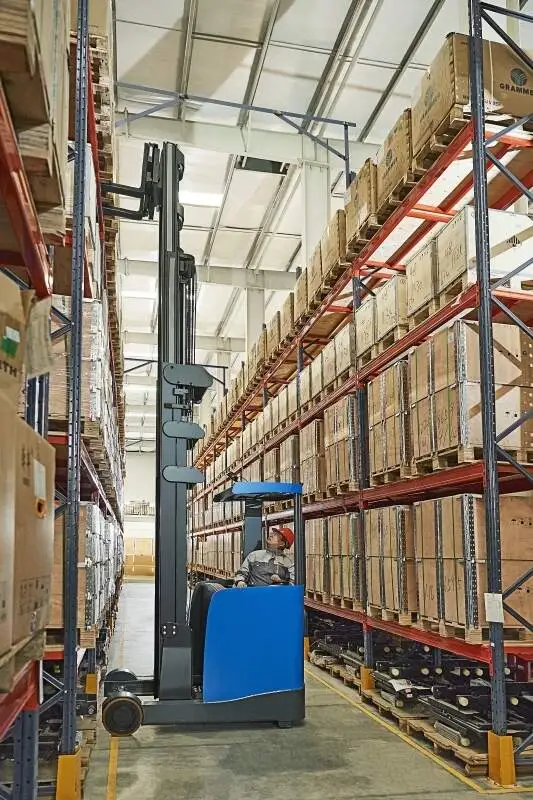
Port terminals and large-scale warehouses serve as critical nodes in global supply chains, handling massive volumes of goods daily and demanding reliable, efficient material handling equipment. For decades, traditional internal combustion forklifts dominated these sectors, but shifting environmental regulations, rising fuel costs, and a focus on operational sustainability have driven the adoption of heavy-duty electric forklifts. These advanced vehicles offer a range of application values tailored to the unique demands of port and warehouse environments.
In port terminal scenarios, heavy-duty electric forklifts address key pain points associated with fuel-powered alternatives. First, their zero-emission operation aligns with strict port environmental policies, reducing air pollution and eliminating harmful exhaust fumes that can affect worker health and local communities. Unlike noisy combustion engines, electric forklifts operate with significantly lower noise levels, creating a more comfortable work environment and minimizing disruptions to nearby residential areas. Additionally, electric forklifts deliver consistent high torque, making them ideal for lifting and transporting heavy cargo containers and bulk goods common in ports. With fewer moving parts compared to internal combustion engines, they require less frequent maintenance, reducing downtime and operational costs over the long term. Many models also support fast charging or battery swapping systems, ensuring continuous operation even during peak cargo handling periods.
For large-scale warehouses, heavy-duty electric forklifts offer equally compelling benefits. Warehouse environments are often enclosed, making indoor air quality a top priority. Electric forklifts produce no tailpipe emissions, eliminating the need for costly ventilation systems and protecting workers from exposure to toxic fumes. Their precise maneuverability allows operators to navigate narrow aisles and tight spaces with ease, optimizing storage capacity and improving overall operational efficiency. Electric forklifts also have lower energy costs compared to fuel-powered alternatives, as electricity is generally more affordable and stable in price than diesel or gasoline. Over time, these savings add up to significant cost reductions for warehouse operators. Moreover, modern electric forklifts can integrate with warehouse management systems, supporting features like automated navigation and load tracking to streamline workflows and reduce human error.
As businesses in port and warehouse sectors continue to prioritize sustainability and cost-effectiveness, heavy-duty electric forklifts have become a necessary investment. Jianshu New Energy, a specialist in BYD electric forklifts, provides tailored solutions designed to meet the rigorous demands of these high-volume environments. Whether you need equipment for heavy container lifting in ports or efficient material handling in large warehouses, we can offer suitable options to enhance your operations. For more information, please contact us via email at 17399989919@163.com.