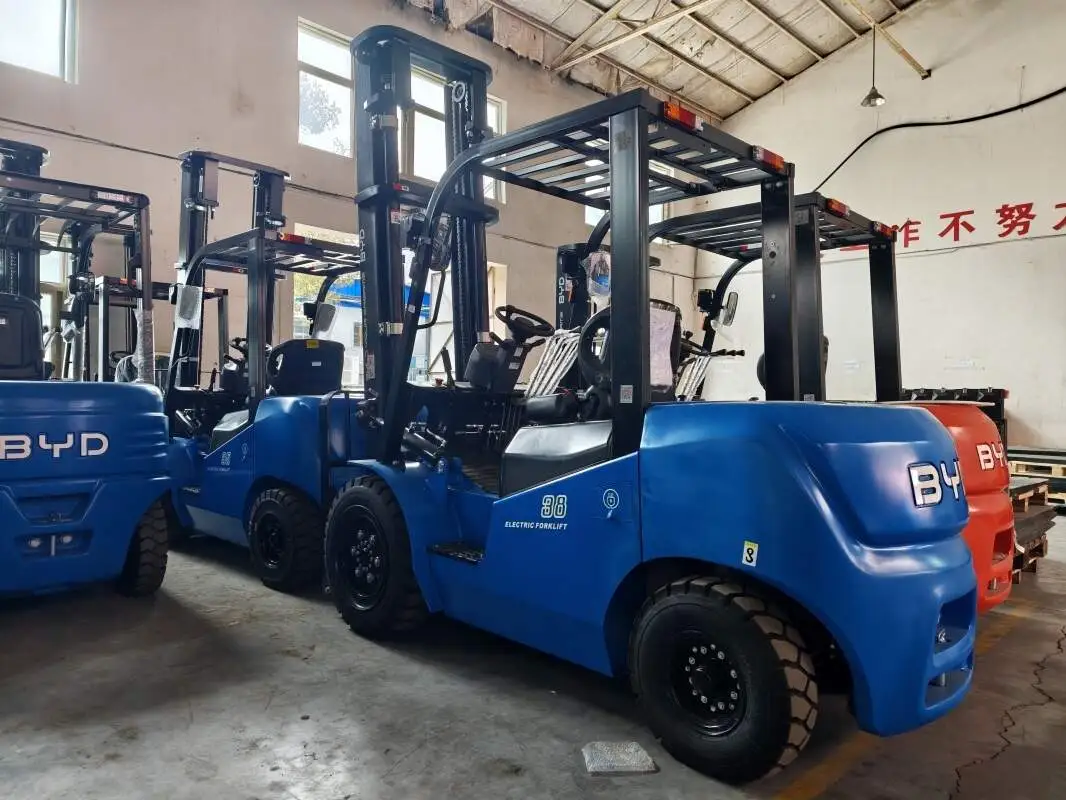
In modern warehouse and manufacturing environments, efficient material handling is critical to maintaining smooth operations, meeting production deadlines, and reducing unnecessary costs. Traditional fuel-powered forklifts often come with limitations that hinder workflow optimization, from frequent maintenance needs to operational disruptions due to refueling. This is where electric forklifts step in, offering a range of benefits that transform material handling workflows for the better.
One key way electric forklifts optimize material handling is by boosting operational efficiency. Unlike their diesel or gasoline counterparts, electric forklifts have instant torque, allowing for quicker acceleration and precise maneuverability, especially in tight warehouse spaces. This means operators can move pallets and goods more swiftly, cutting down on time spent per task. Additionally, electric models require less downtime for refueling—instead, they can be charged during off-peak hours or swapped with fully charged batteries in minutes, ensuring continuous workflow without lengthy interruptions.
Cost optimization is another significant advantage of electric forklifts in material handling. Over the long term, electric forklifts have lower operational costs compared to fuel-powered options. Electricity is generally cheaper than diesel or gasoline, and electric forklifts have fewer moving parts, reducing the need for frequent maintenance and repair work. This translates to lower overall expenses for businesses, freeing up resources to invest in other areas of their operations.
Sustainability is also a key factor in workflow optimization, and electric forklifts excel in this area. Producing zero tailpipe emissions, they are ideal for indoor use, eliminating the need for costly ventilation systems to remove fumes. This not only creates a safer working environment for employees but also aligns with businesses' sustainability goals, helping reduce their carbon footprint. For companies looking to enhance their green credentials while improving workflow, electric forklifts are a practical choice.
Beyond these core benefits, electric forklifts also contribute to better workflow management through advanced features. Many models come equipped with telematics systems that allow managers to monitor usage, track maintenance schedules, and optimize route planning. This data-driven approach helps identify bottlenecks in the material handling process, enabling businesses to make informed adjustments for smoother operations.
Jianshu New Energy, a specialist in BYD electric forklifts, can provide tailored solutions to meet your specific material handling needs. Whether you operate a small warehouse or a large manufacturing facility, our range of BYD electric forklifts is designed to enhance efficiency, reduce costs, and support sustainable operations. For more information about how electric forklifts can optimize your material handling workflow, please contact us at 17399989919@163.com.
In conclusion, electric forklifts are more than just a replacement for traditional fuel-powered models—they are a strategic investment that optimizes every aspect of material handling workflows. From boosting efficiency and cutting costs to promoting sustainability, their benefits make them an essential tool for modern businesses looking to stay competitive in a fast-paced logistics landscape.