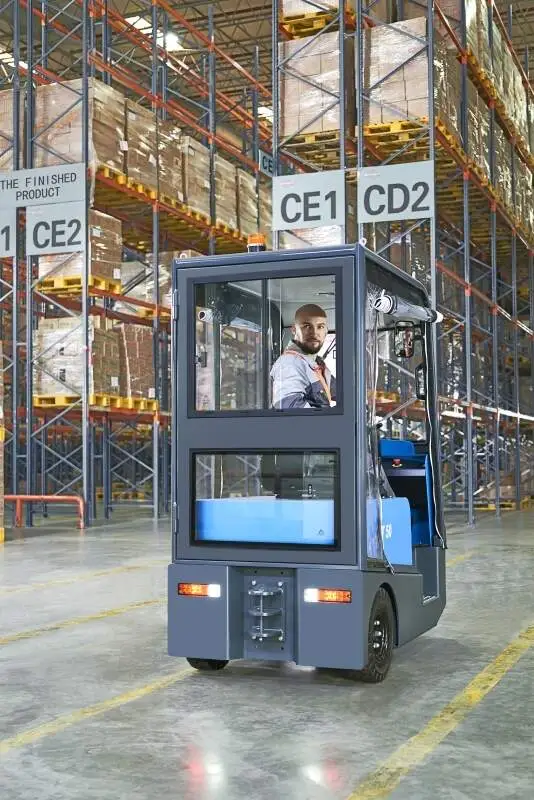
Warehouse inventory management is a critical component of supply chain operations, with challenges like manual data entry errors, delayed stock updates, and inefficient stock picking often hindering productivity. Traditional inventory tracking methods rely on paper-based logs or handheld scanners, which can slow down forklift operators and create gaps in real-time data visibility. Enter the forklift scanner—a specialized device integrated directly into forklift systems designed to address these pain points and streamline inventory workflows.
One of the primary benefits of a forklift scanner is its ability to provide real-time inventory tracking. As forklift operators move goods throughout the warehouse, they can scan barcodes or RFID tags directly from the forklift’s dashboard, eliminating the need to step off the vehicle to record data. This instant data transmission to the warehouse management system (WMS) ensures that stock levels are always up-to-date, reducing the risk of overstocking or stockouts. For example, when a pallet is moved from a storage rack to a shipping dock, the scanner updates the WMS immediately, allowing managers to adjust order fulfillment schedules accordingly.
Manual data entry is prone to human error, such as incorrect stock counts or mislabeled items, which can lead to costly delays and customer dissatisfaction. Forklift scanners minimize these errors by automating data capture. Each scan accurately records the item’s identifier, location, and quantity, ensuring that inventory records match physical stock. This accuracy not only improves inventory reliability but also reduces the time spent on cycle counts and inventory audits, as staff can trust the digital records instead of verifying every item manually.
Integrating scanners into forklifts also boosts overall warehouse efficiency. Operators no longer need to carry handheld devices or refer to paper manifests, which frees up their hands and allows them to focus on maneuvering the forklift and moving goods. This streamlined process reduces the time spent on each task, enabling operators to handle more orders per shift. Additionally, forklift scanners can guide operators to the correct storage locations using built-in navigation tools, reducing the time spent searching for items and minimizing unnecessary travel within the warehouse.
Beyond real-time tracking and error reduction, forklift scanners provide valuable data that can be used to optimize warehouse processes. The WMS can analyze scanner data to identify bottlenecks in inventory movement, such as frequently congested storage areas or slow-moving items. Managers can then adjust layout designs or reorder strategies to improve flow. For instance, data showing that fast-selling items are stored in hard-to-reach areas can prompt a relocation to more accessible racks, reducing picking time and improving order fulfillment speed.
In conclusion, forklift scanners are a valuable tool for streamlining warehouse inventory management. By enabling real-time data tracking, reducing human error, boosting operational efficiency, and providing actionable insights, these devices help warehouses operate more smoothly and cost-effectively. As supply chain demands continue to grow, integrating forklift scanners into inventory management systems is a smart investment for businesses looking to stay competitive and meet customer expectations for fast, accurate order fulfillment.