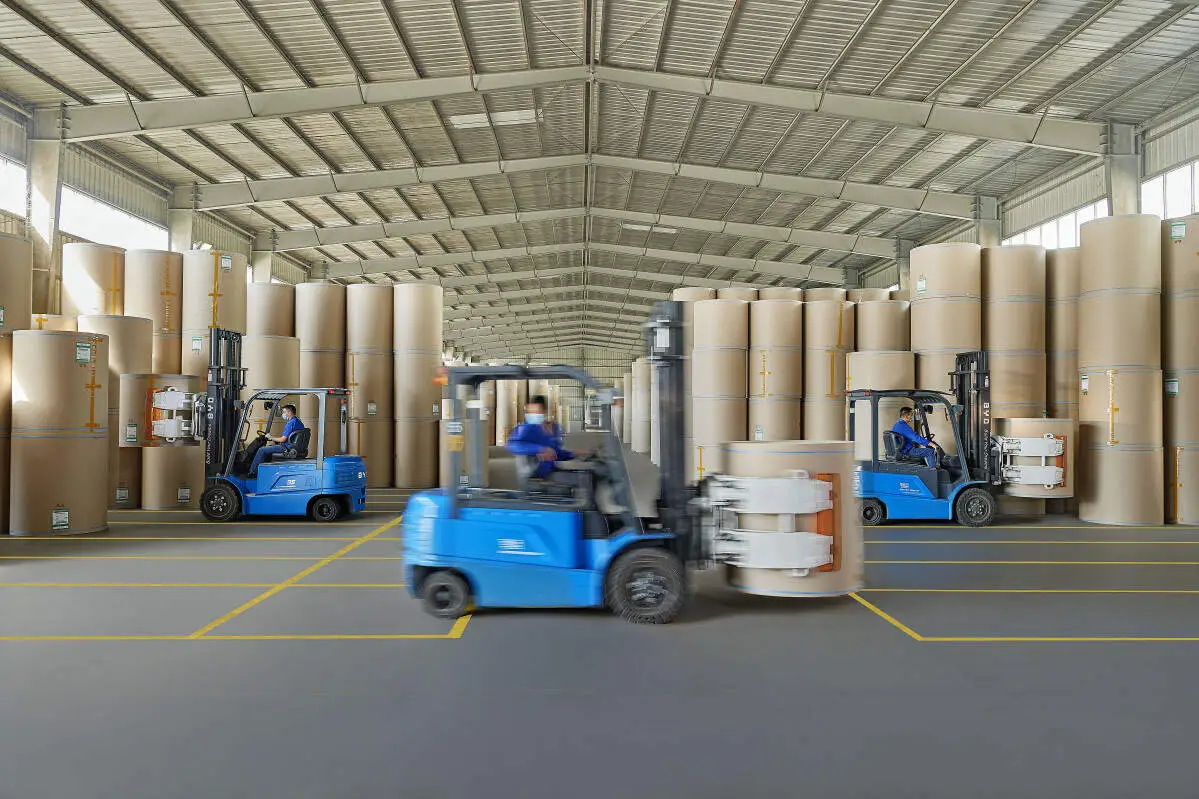
Port and freight terminals are critical hubs in global supply chains, where the efficient movement of cargo directly impacts logistics timelines and overall operational costs. As volumes of containerized and bulk cargo continue to rise, these facilities rely on robust material handling equipment to keep workflows running smoothly. Among the most essential tools in this ecosystem are heavy-duty forklifts, which play a pivotal role in supporting a wide range of terminal operations.
One of the primary functions of heavy-duty forklifts in ports and terminals is facilitating the loading and unloading of heavy cargo from vessels, trucks, and trains. Unlike standard forklifts, their reinforced frames and high load capacities allow them to handle heavy containers, bulk goods, and oversized equipment with ease. This capability reduces the time spent on each cargo transfer, minimizing vessel turnaround times and ensuring that trucks and trains can depart on schedule. By accelerating these critical steps, heavy-duty forklifts help terminals maximize throughput and meet the growing demands of global trade.
Beyond vessel and vehicle operations, heavy-duty forklifts are integral to yard management within freight terminals. They are used to stack containers and palletized cargo in designated storage areas, optimizing the use of limited space. Their maneuverability in tight yard spaces ensures that cargo can be retrieved quickly when needed, reducing delays in order fulfillment. Additionally, these forklifts support inventory management by enabling efficient movement of goods between storage zones and processing areas, ensuring terminals maintain accurate stock records and respond promptly to cargo requests.
Ports and freight terminals operate in diverse and often harsh environments, from exposed coastal areas with high winds and salt air to indoor warehouses with limited ventilation. Heavy-duty forklifts are designed to withstand these conditions, featuring durable components that resist corrosion and wear. Their robust engines and traction systems allow them to operate on uneven surfaces, such as gravel yards or wet docks, without compromising performance. This reliability ensures operations can continue even in challenging weather or terrain, minimizing downtime and maintaining consistent workflow efficiency.
Safety is a top priority in port and terminal operations, and heavy-duty forklifts contribute to a safer working environment through advanced design features. Many models include stability controls to prevent tipping when handling heavy loads, as well as visibility enhancements like wide-view mirrors and camera systems to help operators navigate crowded areas. These features reduce the risk of accidents involving cargo, equipment, and personnel, ensuring compliance with occupational safety regulations. By prioritizing safety, heavy-duty forklifts help terminals avoid costly incidents and maintain a productive workforce.
In conclusion, heavy-duty forklifts are indispensable assets for port and freight terminal operations. Their ability to handle heavy loads, optimize space, withstand harsh conditions, and enhance safety makes them critical to maintaining efficient and reliable supply chain workflows. As global trade volumes continue to grow, the role of heavy-duty forklifts will only become more essential, supporting terminals in meeting the demands of modern logistics and ensuring the smooth movement of cargo across the globe.