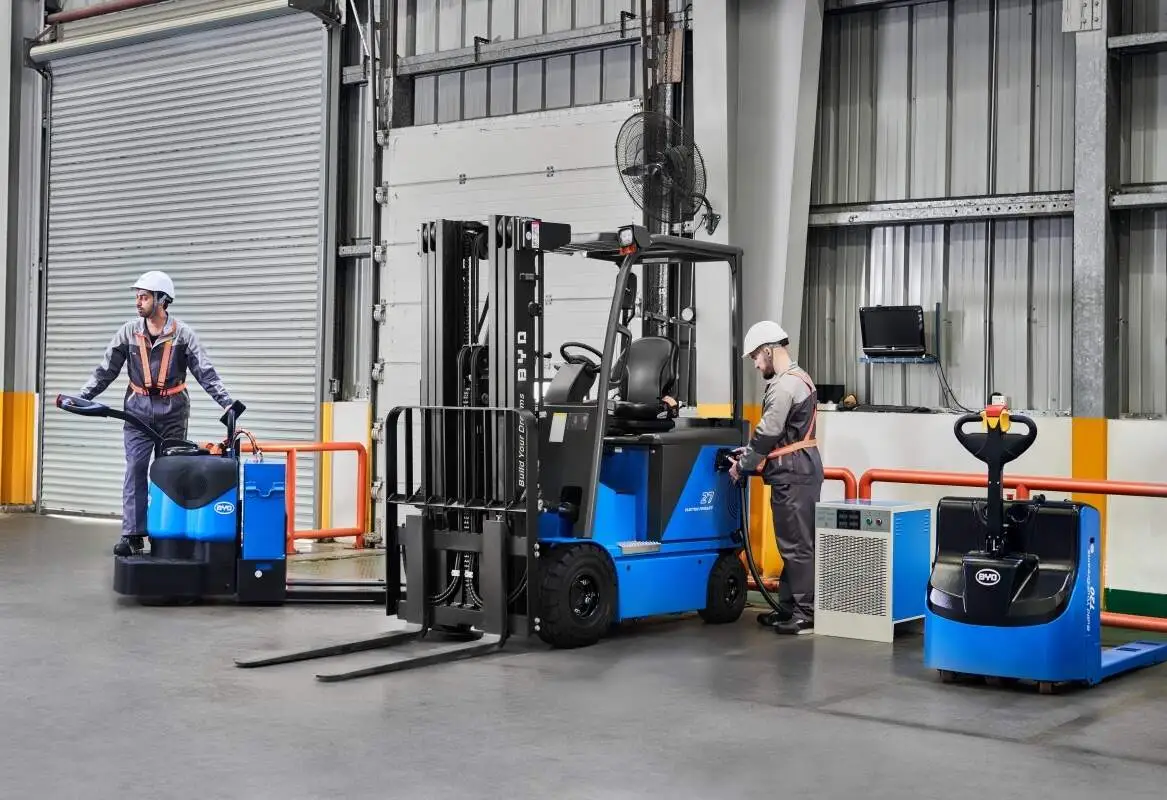
If you operate an electric forklift, one of the most common questions you might have is: how long does it take to fully recharge its battery? The answer isn’t a one-size-fits-all figure, as several key factors influence the charging duration. Understanding these factors can help you plan your operations more efficiently and extend the lifespan of your forklift battery.
First and foremost, battery capacity plays a pivotal role in determining recharge time. Measured in ampere-hours (Ah), larger capacity batteries require more energy to reach full charge. For instance, a small 48V 200Ah battery might take around 6 to 8 hours to recharge fully with a standard charger, while a larger 48V 600Ah battery could take 10 to 12 hours or longer. It’s important to note that these are general estimates, and actual times may vary based on other conditions.
The type of charger you use also significantly impacts charging speed. Standard onboard chargers are designed for steady, low-heat charging, which is gentle on the battery but takes longer. In contrast, high-frequency or fast chargers can reduce recharge time by up to 50%, allowing you to get your forklift back in operation quicker. However, frequent use of fast charging may shorten battery lifespan over time, so it’s advisable to use this option only when necessary.
Battery condition is another critical factor. A new, well-maintained battery will charge faster and more efficiently than an older, degraded one. If your battery has been in use for several years, you may notice longer charging times due to reduced capacity and internal wear. Additionally, the remaining charge when you start recharging matters— a battery that’s only 20% discharged will take less time to recharge than one that’s fully depleted.
Environmental temperature can also affect recharge efficiency. Batteries perform best in moderate temperatures, typically between 10°C and 30°C (50°F and 86°F). In extremely cold conditions, the chemical reactions inside the battery slow down, leading to longer charging times and incomplete charging. Similarly, high temperatures can cause overheating, which not only prolongs charging but also damages the battery cells.
To optimize your electric forklift’s charging time, consider a few practical steps. First, choose a charger that matches your battery’s capacity and voltage for efficient charging. Regularly maintain your battery by cleaning terminals, checking electrolyte levels (if applicable), and ensuring proper ventilation during charging. Plan charging sessions during off-peak hours to avoid interruptions and make use of scheduled charging to keep batteries at optimal levels without overcharging.
If you’re looking for reliable electric forklifts and professional guidance on battery management, reach out to Jianshu New Energy. We specialize in BYD electric forklifts and can provide tailored advice to meet your operational needs. You can contact us via email at 17399989919@163.com for more information.