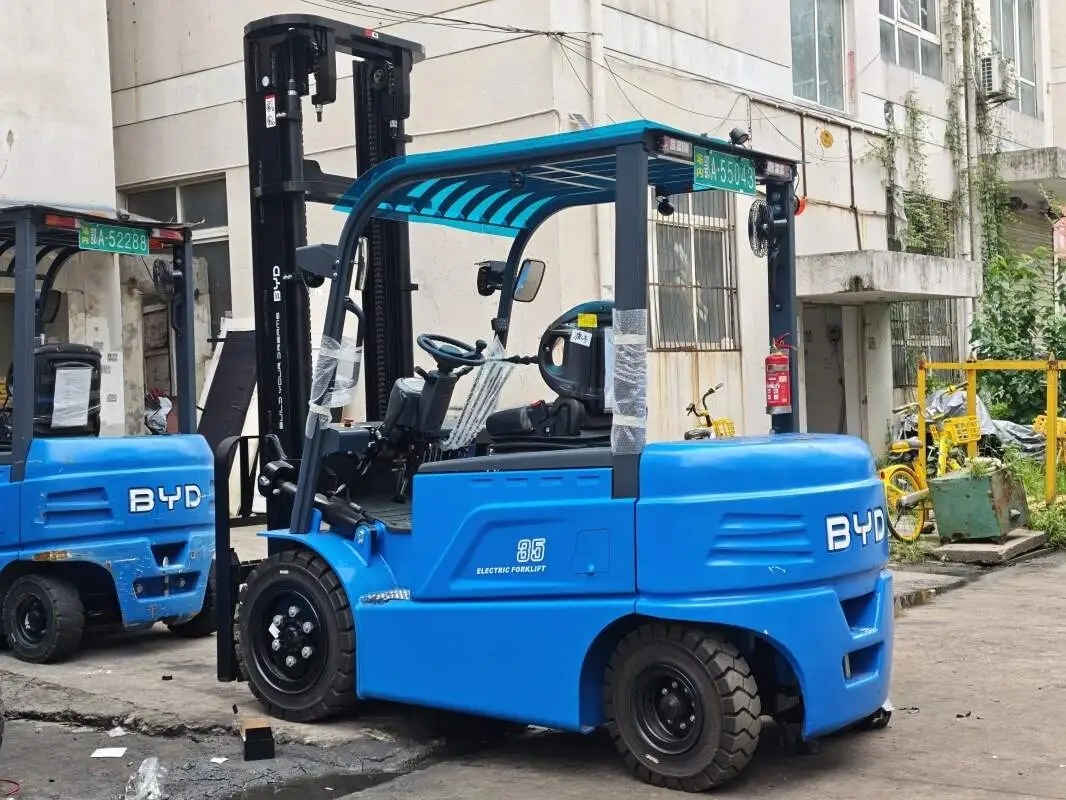
Mandatory inspections are a critical pillar of safe and compliant electric forklift operations, playing a key role in preventing workplace accidents, extending equipment lifespan, and adhering to regulatory standards. Knowing the right frequency for these checks helps operators and fleet managers mitigate risks, avoid costly downtime, and stay on the right side of safety regulations.
Pre-Use Inspections (Every Shift)
Before each use, a concise yet thorough pre-use inspection is non-negotiable. This quick assessment should cover essential components: verify battery connections are secure, test brake responsiveness, check steering functionality, inspect tire condition for wear or damage, and ensure safety lights, horns, and backup alarms are fully operational. Even minor issues like a loose terminal or worn tread can lead to hazardous situations during operation, making this daily check a foundational safety step.
Weekly Inspections
Weekly inspections go beyond daily checks to address emerging issues. Designated staff should examine battery charge levels and electrolyte status (where applicable), inspect hydraulic systems for leaks, assess fork and mast component integrity, and retest safety features like seat belts and emergency stop buttons. These checks help catch problems that might not be obvious in daily use, allowing for timely repairs before they escalate into major failures.
Monthly Inspections
Monthly mandatory inspections require a more comprehensive evaluation. Focus on the forklift’s structural frame for cracks or damage, inspect wiring and electrical components for fraying or corrosion, test lift and tilt mechanisms for smooth operation, and conduct a full brake system review. Additionally, ensure all safety labels are legible and intact, and document the inspection results to meet regulatory record-keeping requirements.
Quarterly & Annual Inspections
In most regions, quarterly or annual inspections must be performed by qualified maintenance professionals. These expert assessments include detailed testing of electrical systems, hydraulic pressure, load capacity verification, and full compliance checks against local safety standards. Professionals can detect hidden issues like worn internal components or electrical faults that untrained staff may overlook, ensuring the forklift remains fully compliant and safe for operation.
Regulatory requirements for inspection frequency can vary by location, so it’s advisable to consult local authorities or industry experts for tailored guidance. Jianshu New Energy, a specialist in electric forklift solutions, offers professional inspection services and expert advice to help you maintain compliance and operational safety. For further information, feel free to contact us at 17399989919@163.com.