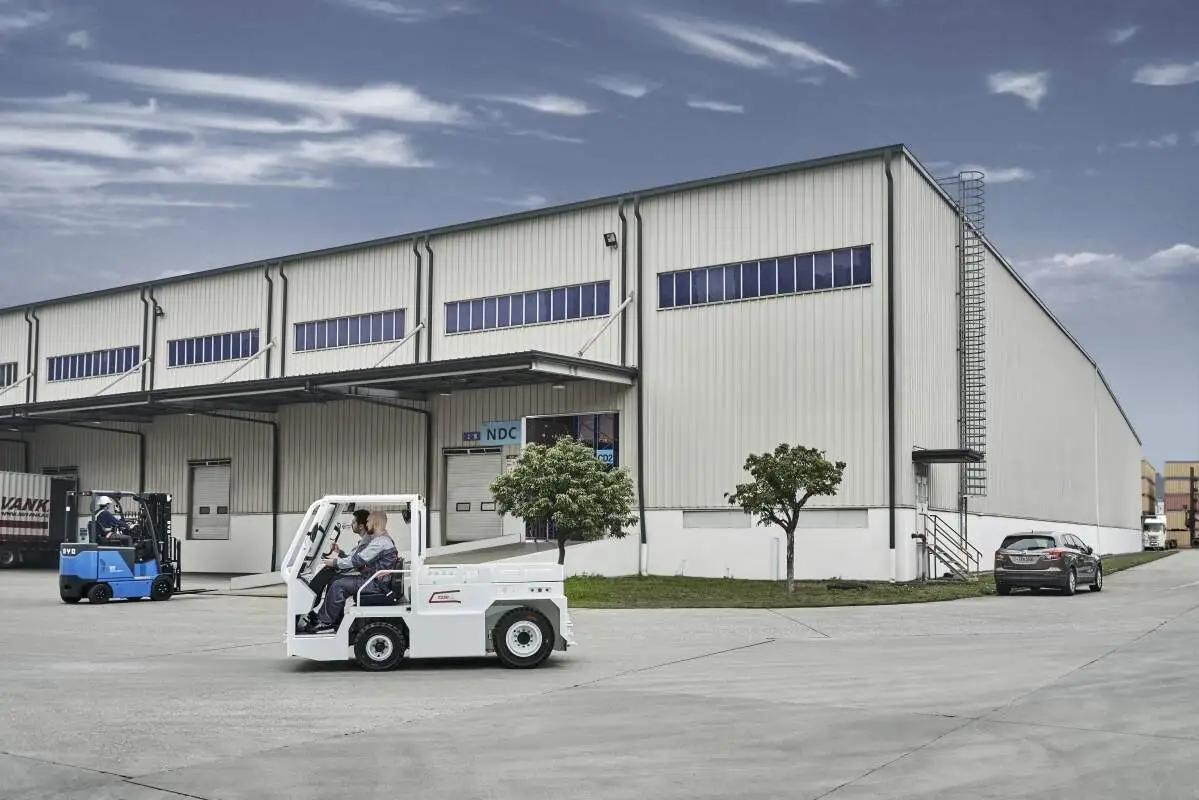
Excessive lateral force is a common yet often overlooked threat to the stability of load-carrying electric forklifts. When these forces exceed the forklift’s design limits, they can lead to tipping, load displacement, and potential workplace accidents. Understanding how to mitigate these forces is critical for maintaining a safe and efficient material handling operation.
Prioritize Proper Load Distribution
One of the primary causes of excessive lateral force is uneven or improper load distribution. Before operating the forklift, ensure the load is centered on the forks, with its weight evenly distributed across the entire fork length. Avoid overloading beyond the forklift’s rated capacity, as this shifts the center of gravity and increases vulnerability to lateral forces during turns or uneven terrain. If the load is irregularly shaped, use appropriate attachments to secure it and maintain balance, reducing the risk of lateral shift that could destabilize the unit.
Implement Controlled Maneuvering Techniques
Sudden turns, sharp corners, and rapid changes in speed are major contributors to excessive lateral force. When navigating through warehouse aisles or outdoor spaces, maintain a steady, moderate speed, especially when carrying heavy loads. Slow down significantly before making turns, and avoid steering abruptly—gradual, smooth movements help minimize lateral stress on the forklift’s chassis and load. Additionally, be mindful of uneven surfaces or ramps, as these can amplify lateral forces; traverse such areas at a reduced speed and ensure the load is secured tightly to prevent shifting.
Conduct Regular Equipment Inspections
Well-maintained electric forklifts are better equipped to resist excessive lateral forces. Schedule routine inspections of key components, including the tires, steering system, and suspension. Worn or underinflated tires can reduce traction and increase the likelihood of lateral slippage, while a faulty steering system may lead to unintended movements that generate unnecessary lateral force. Ensure all stability-related components are in good working order, and address any issues promptly to prevent them from escalating into stability risks.
Invest in Comprehensive Operator Training
Even the best-maintained forklifts are only as safe as their operators. Provide regular, comprehensive training that covers the impact of lateral force on forklift stability, as well as proper load handling and maneuvering techniques. Operators should understand how to assess load weight and distribution, adjust their driving style based on load size, and recognize early signs of instability. Refresher courses can help reinforce these skills and keep operators updated on best practices for safe electric forklift operation.
Mitigating excessive lateral force is essential for protecting both personnel and equipment in material handling operations. By following these strategies—prioritizing proper load distribution, practicing controlled maneuvering, conducting regular inspections, and investing in operator training—you can significantly reduce stability risks for load-carrying electric forklifts. For reliable electric forklift solutions, Jianshu New Energy specializes in BYD electric forklifts. For inquiries, reach out to us at 17399989919@163.com to learn how our equipment can support your safe and efficient material handling needs.