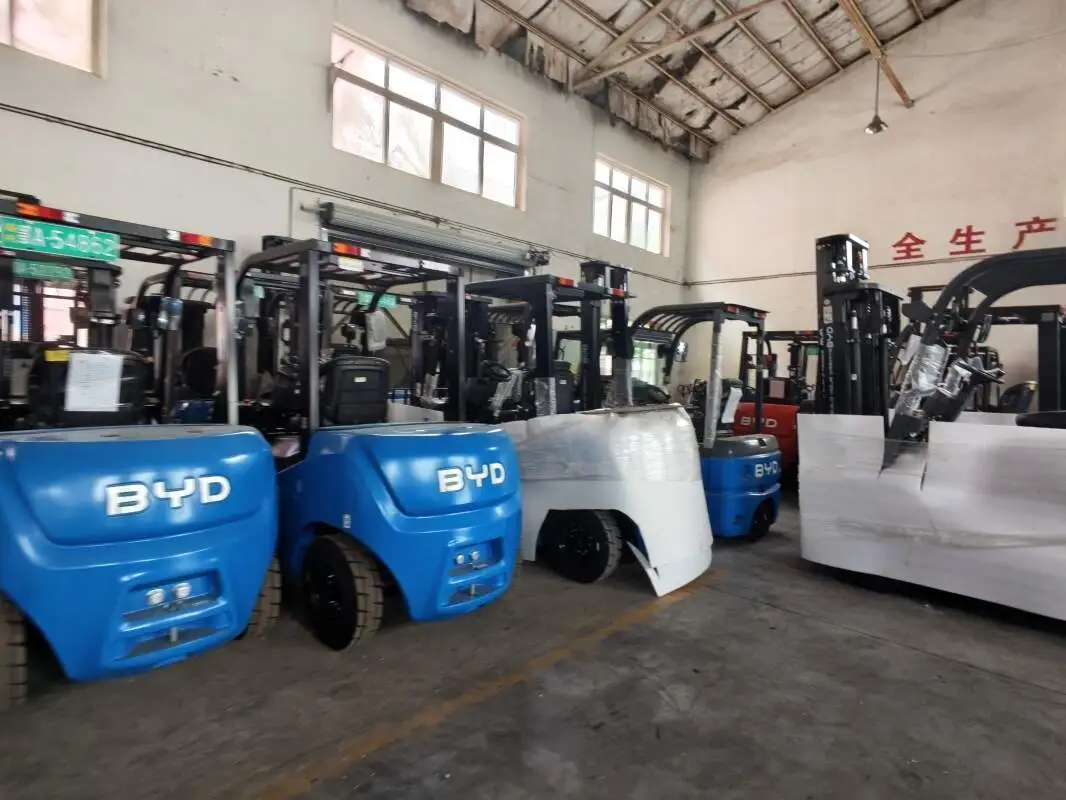
Over-discharging is a common yet preventable issue that poses significant risks to the battery packs of industrial electric forklifts, leading to shortened lifespan, reduced performance, and increased operational costs. As an electric forklift expert, understanding the root causes and implementing proactive measures is key to protecting your battery investment.
Regular Monitoring and Alert Systems
Installing real-time monitoring systems on your forklifts allows you to track battery voltage and state of charge (SOC) continuously. These systems can trigger visual or auditory alerts when the battery reaches a predefined low SOC threshold, typically around 20-25% capacity. This early warning gives operators enough time to return the forklift to a charging station before over-discharging occurs. Additionally, integrating fleet management software can provide centralized data on battery health across all units, enabling timely interventions to address potential issues.
Optimal Charging Practices
Adopting proper charging habits is critical to preventing over-discharging. Avoid waiting until the battery is completely drained before initiating a charge; instead, follow a scheduled charging routine that aligns with usage patterns. For example, if a forklift operates during an 8-hour shift, charging it during break periods or at the end of the shift ensures the battery remains within a healthy SOC range. Always use chargers compatible with industrial electric forklift batteries, as mismatched equipment can lead to inefficient charging or increase the risk of over-discharging.
Implement Load Management Strategies
Overloading a forklift strains the battery, accelerating discharge rates and raising the likelihood of over-discharging. Ensure operators strictly adhere to the forklift’s specified load capacity guidelines, and avoid using the equipment for tasks that exceed its intended capabilities. Distributing loads evenly across the forks and minimizing unnecessary movements—such as frequent stops, starts, and sharp turns—can also reduce battery drain, helping to maintain optimal SOC levels throughout daily operations.
Scheduled Battery Maintenance
Regular maintenance checks are essential for identifying potential issues that could lead to over-discharging. Inspect battery terminals regularly for corrosion, clean them with appropriate solutions, and ensure all connections are tight to maintain efficient power flow. For flooded lead-acid batteries, monitor electrolyte levels and top them up with distilled water as needed, since low electrolyte levels can impair battery performance and increase discharge risks. Additionally, conduct periodic capacity tests to assess the battery’s ability to hold a charge, allowing you to replace aging batteries before they become prone to over-discharging.
Train Operators on Proper Usage
Operator training plays a vital role in preventing over-discharging damage. Educate your team on how to read battery indicators, recognize low SOC warnings, and follow safe charging protocols. Emphasize the importance of not using the forklift once the low battery alert is triggered, and provide clear guidelines on reporting any unusual battery behavior, such as rapid discharge or failure to hold a charge. Well-trained operators are more likely to take proactive steps to protect the battery, reducing the risk of over-discharging incidents and extending battery lifespan.
Protecting your industrial electric forklift battery packs from over-discharging damage requires a combination of consistent monitoring, proper charging practices, load management, regular maintenance, and operator training. By implementing these strategies, you can extend battery lifespan, reduce operational costs, and ensure reliable forklift performance for your business. For reliable electric forklift solutions, contact Jianshu New Energy, a specialist in BYD electric forklifts, at 17399989919@163.com.