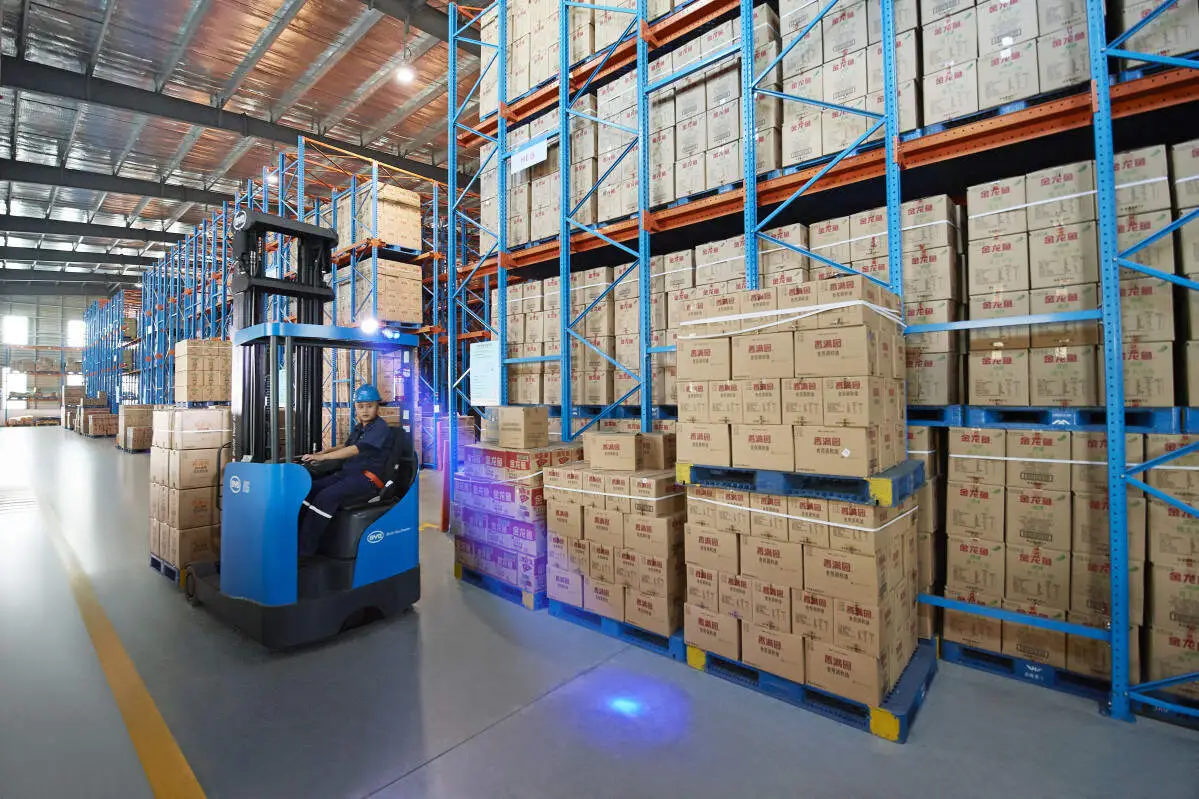
Proper load distribution is a critical factor in ensuring safe and efficient electric forklift operation, particularly when balancing weight across the left and right sides. Imbalanced loads can shift the forklift’s center of gravity, compromise maneuverability, and significantly increase the risk of tipping—posing threats to operators, workplace infrastructure, and valuable cargo. As electric forklift specialists, we’re sharing practical, actionable steps to help you master left-and-right load balance for your working unit.
First, understanding the risks of uneven left-right loads is essential. When weight leans heavily to one side, the forklift’s stability triangle is disrupted. This can cause the unit to pull toward the heavier side during travel, make steering less responsive, and even lead to a catastrophic tip when lifting or turning. Even minor imbalances, if ignored, can accelerate wear on the forklift’s tires, suspension, and steering components, reducing the unit’s lifespan and increasing maintenance costs.
To achieve balanced left-right load distribution, follow these step-by-step guidelines:
1. Pre-Load Inspection: Before picking up any load, conduct a visual assessment to identify uneven weight distribution. Look for heavy components concentrated on one side, such as stacked boxes with unevenly placed items or bulky materials positioned off-center. If possible, rearrange the load on the pallet to center its weight before lifting.
2. Align Load with Forklift’s Central Axis: When positioning the forks under the load, ensure the load’s center of gravity aligns perfectly with the forklift’s central axis. Adjust the fork width to spread the load evenly across both tines, avoiding placing more weight on either the left or right fork. This alignment ensures equal weight distribution throughout operation.
3. Monitor and Adjust Mid-Operation: During transport or lifting, pay close attention to the forklift’s handling. If you notice the unit pulling to one side or feeling unstable, stop immediately. Reassess the load’s position, and redistribute weight by shifting lighter items to the heavier side or adjusting how the load sits on the forks.
4. Utilize Load Stabilizers for Irregular Loads: For irregularly shaped or extremely heavy loads, use load stabilizers or appropriate attachments to keep weight evenly distributed. These tools prevent the load from shifting to one side during turns or sudden movements, maintaining stability throughout the operation.
Regular maintenance and training also play key roles in long-term stability. After each shift, inspect the forklift’s forks, mast, and suspension for signs of wear or damage—bent forks, for example, can cause uneven weight distribution over time. Ensure all operators receive comprehensive training on load balancing principles, including recognizing imbalanced loads and responding quickly to correct them. Always adhere to the forklift’s rated weight capacity, as overloading can strain stability systems even with balanced loads.
At Jianshu New Energy, we specialize in BYD electric forklifts, offering reliable solutions designed for safe and efficient material handling. For more insights on electric forklift maintenance, operation best practices, or to explore our product range, contact us at 17399989919@163.com.