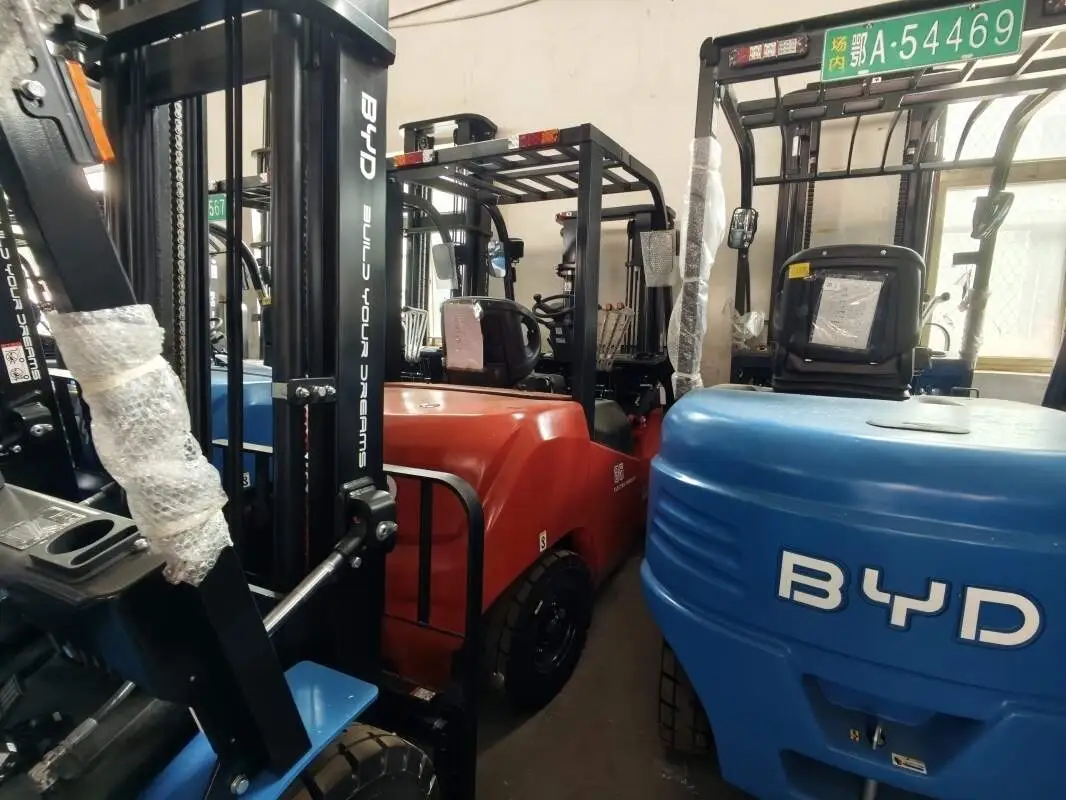
In modern warehouse operations, electric forklifts play a crucial role in streamlining material handling processes, improving efficiency, and reducing operational costs. Choosing the right electric forklift that aligns with your warehouse’s specific needs is not a one-size-fits-all decision; it requires careful consideration of several key factors to ensure optimal performance and long-term value.
First and foremost, assess your warehouse’s core operational requirements starting with load capacity. Calculate the maximum weight of the materials you regularly handle, including pallets, crates, or heavy equipment. It’s important to select a forklift with a load capacity that exceeds your average daily needs to accommodate occasional heavier loads without straining the equipment. Additionally, consider the lifting height required—if your warehouse uses high rack storage, ensure the forklift can reach the highest shelves safely and efficiently, as insufficient lifting height can hinder access to upper inventory levels and reduce storage utilization.
Next, evaluate the maneuverability of the electric forklift based on your warehouse’s space constraints. Narrow aisles, tight corners, and crowded work areas demand forklifts with a small turning radius and compact design. Measure the width of your warehouse aisles and compare it to the forklift’s overall width and turning requirements to ensure smooth navigation without damaging inventory or infrastructure. For warehouses with limited space, compact electric forklifts or three-wheel models may be a better fit, as they offer enhanced agility in confined areas compared to larger, four-wheel alternatives.
The power source of the electric forklift is another critical factor to weigh. Lead-acid batteries are a traditional option, known for their lower upfront cost, but they require regular maintenance such as water refilling, longer charging times, and need to be replaced periodically. Lithium-ion batteries, on the other hand, offer faster charging, longer lifespan, and minimal maintenance, making them ideal for warehouses with high operational demands and limited charging downtime. Consider your warehouse’s existing charging infrastructure and daily operational hours when choosing between these options—lithium-ion models may require dedicated charging stations, while lead-acid batteries can be charged with standard outlets.
Don’t overlook the long-term maintenance and operational costs. Electric forklifts generally have lower maintenance costs compared to gas-powered models, but different types have varying upkeep requirements. Factor in costs like battery replacement, routine inspections, and repair services when calculating the total cost of ownership. Additionally, evaluate the energy efficiency of the forklift—models with regenerative braking systems can recapture energy during deceleration, reducing energy consumption and lowering your monthly utility bills over time.
Safety should always be a top priority when selecting an electric forklift. Look for models equipped with essential safety features such as anti-slip tires for stable operation on wet or uneven surfaces, clear overhead guards to protect operators from falling objects, and responsive emergency braking systems. Some models also offer enhanced visibility features, like rearview cameras or proximity sensors, to reduce the risk of collisions in busy warehouse environments. Ensure the forklift meets all relevant safety standards to protect both your operators and your inventory from potential harm.
By carefully evaluating these key factors—load capacity, maneuverability, power source, maintenance costs, and safety features—you can select an electric forklift that perfectly matches your warehouse’s unique needs. Taking the time to make an informed decision will not only improve your daily operational efficiency but also provide a reliable and cost-effective material handling solution for years to come.