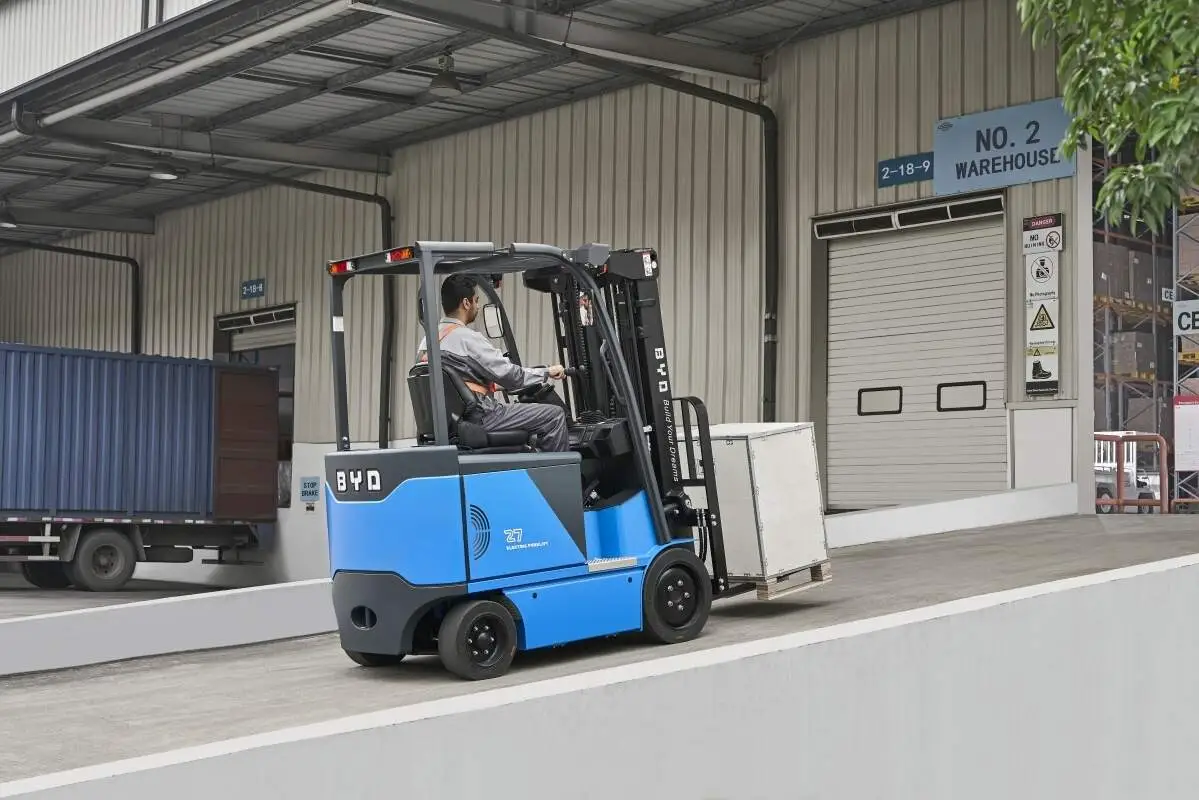
Daily pre-operation checks are a non-negotiable step to maintain electric forklift safety, reduce accident risks, and prolong equipment lifespan. Neglecting these routine inspections can lead to unexpected malfunctions that endanger operators, pedestrians, and workplace assets. By systematically examining key components and the surrounding environment, you can spot potential hazards before they escalate into serious issues.
Start with the battery system, the core power source of your electric forklift. Inspect battery terminals for signs of corrosion, which can impede power transfer and lead to electrical failures. Loose connections or frayed wiring around the battery compartment should be addressed immediately, as they pose fire or electrocution risks. Check that the battery is securely fastened in its compartment to prevent shifting during operation, which could affect stability. If your forklift uses a liquid electrolyte battery, verify that the electrolyte level falls within the manufacturer’s recommended range—low levels can cause overheating and reduce battery performance. Unusual smells like burning plastic or sulfur coming from the battery area are clear warning signs that require urgent attention.
Next, evaluate the operational controls to ensure they function reliably. Test the steering wheel for smooth responsiveness; any stiffness, excessive play, or uneven resistance may indicate a problem with the steering mechanism, which can make maneuvering difficult and increase collision risks. Examine the brake system thoroughly: press the foot brake to check for consistent stopping power, and engage the parking brake to confirm it holds the forklift securely on flat surfaces. Delayed braking or spongy brakes are critical hazards that need professional repair. Additionally, test the lift and tilt controls—they should operate smoothly without jerky movements or unresponsive actions. Malfunctions here can lead to load drops, which pose severe safety threats to nearby personnel.
Move on to inspecting the tires and chassis, which directly impact the forklift’s stability. Check each tire for excessive tread wear, cuts, punctures, or bulges; damaged tires can cause the forklift to skid or tip over, especially when carrying heavy loads. Uneven tire wear may signal alignment issues that need correction to maintain balanced handling. Inspect the chassis for cracks, bent frames, or loose bolts, as these structural defects can compromise the forklift’s integrity during lifting or maneuvering. Pay attention to any unusual noises coming from the undercarriage during movement, as they may indicate hidden mechanical problems.
Don’t overlook visibility and warning devices, which are essential for preventing collisions. Ensure all mirrors are clean, intact, and adjusted to provide maximum visibility of the surrounding area, including blind spots. Test all warning lights—such as headlights, taillights, and turn signals—to confirm they are bright and functional. Activate the horn and reverse alarm to ensure they produce clear, loud sounds that alert pedestrians and other operators to your presence. Non-working warning devices drastically increase the risk of accidents in busy work environments.
Finally, assess the work area before starting operations. Scan for obstacles like pallets, equipment, or debris that could hinder maneuverability. Check for uneven surfaces, slippery floors, or ramps that may affect the forklift’s traction. Note any overhead hazards such as low ceilings, hanging pipes, or storage racks that could collide with the forklift or lifted loads. Identifying these environmental hazards allows you to plan your route and adjust operations to avoid risks.
Consistent daily checks are key to maintaining a safe and efficient workplace. If you encounter persistent issues or need expert guidance on electric forklift maintenance, we are Jianshu New Energy, specializing in electric forklifts. Feel free to contact us at 17399989919@163.com for professional support tailored to your operational needs.