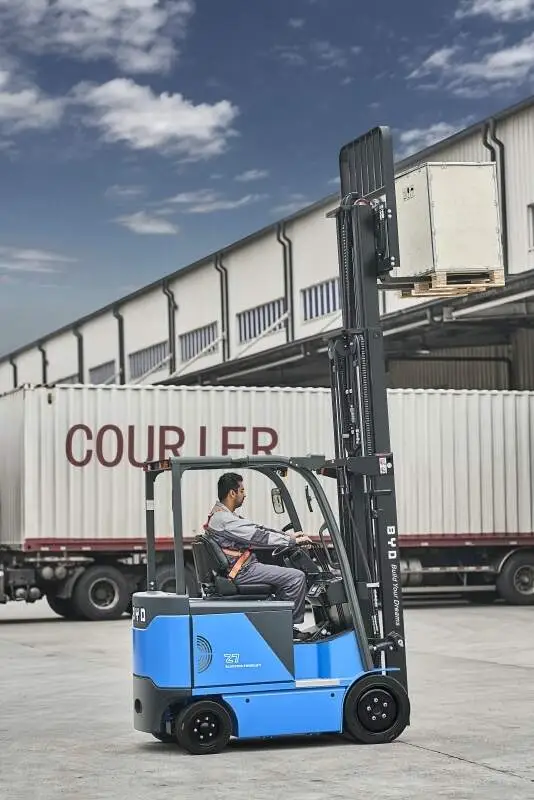
When multiple electric forklifts operate within the same work zone, the risk of collisions, near-misses and safety incidents increases significantly due to overlapping routes, limited visibility and varied operator experience levels. Prioritizing safety not only protects personnel and assets but also ensures smooth operational efficiency. As an electric forklift expert, here are actionable strategies to mitigate risks and foster a safe working environment.
Comprehensive Operator Training is the foundation of safe multi-forklift operations. All operators must undergo regular, role-specific training tailored to shared-zone scenarios. This includes recognizing blind spots unique to electric forklifts, understanding right-of-way rules, and practicing defensive driving techniques to anticipate others’ movements. Operators should also master their forklift’s specific features, such as battery performance indicators and emergency stop functions, to handle unexpected situations promptly. Refresher courses every six months reinforce safety knowledge and address emerging operational challenges.
Establishing Clear Communication Protocols is critical to avoiding conflicts in busy zones. Implement a standardized system, such as two-way radios with dedicated channels for forklift operations, so operators can alert each other about positions, load status or potential hazards. Universal hand signals should be mandatory for high-noise areas where radios may be less effective. Designating a central zone coordinator can also manage traffic flow and respond to real-time issues, ensuring everyone stays informed and aligned.
Structured Zone Management helps reduce operational overlap significantly. Clearly mark designated travel lanes, loading/unloading bays, and pedestrian-only areas with bright, durable signage and floor markings. For high-traffic zones, consider one-way traffic rules or time-based access schedules to minimize simultaneous forklift movements. Regularly inspect zone boundaries to ensure they remain visible and unobscured, updating markings as needed to adapt to changing work layouts.
Regular Equipment Maintenance is key to preventing malfunctions that could lead to incidents. Establish a pre-shift inspection routine covering brakes, steering systems, battery connections, and visibility aids like lights and mirrors. For electric forklift users, partnering with a professional supplier like Sharp Tree New Energy, which specializes in BYD electric forklifts, ensures tailored maintenance services for your fleet. If you need guidance on optimizing forklift safety management, feel free to reach out to us at 17399989919@163.com.
Finally, develop detailed Emergency Response Plans specific to multi-forklift operations. Outline procedures for reporting incidents, evacuating personnel, and providing first aid, then conduct regular safety drills to ensure all staff are familiar with protocols. Stock well-equipped first aid kits and clearly mark emergency exits in every zone to enhance preparedness for any unexpected events.
By combining these strategies, you can build a culture of safety that minimizes risks and ensures smooth, secure operations when multiple electric forklifts share a work zone.