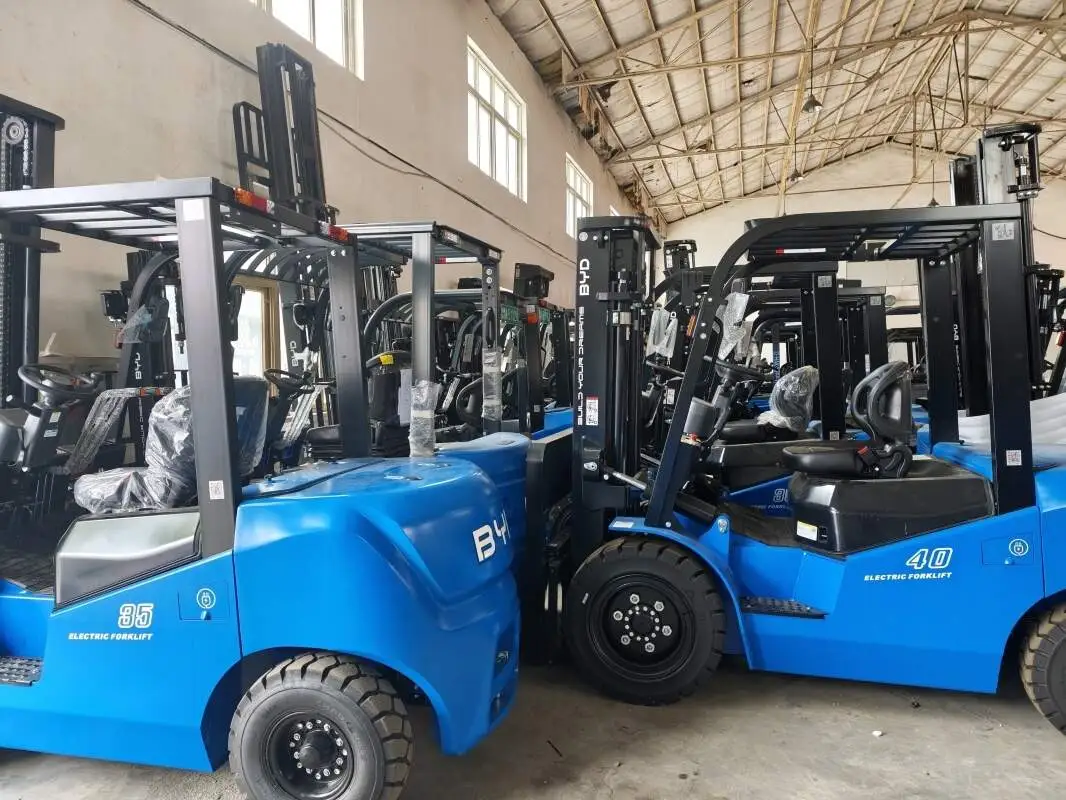
electric forklifts are essential tools in warehouses, distribution centers and manufacturing facilities, where safe and efficient material handling is critical. Understanding rated capacity markings on these machines is not just a compliance requirement but a core aspect of preventing accidents, protecting equipment and ensuring operational efficiency. Many operators overlook these labels, leading to potential overloading risks that can cause structural damage, tip-overs or workplace injuries.
First, let’s break down the key components of rated capacity markings. The most prominent element is the numerical value representing the maximum weight the forklift can safely lift under specified conditions. This number is typically displayed in pounds or kilograms, and it’s important to note that it applies only when the load is positioned at the standard load center distance. The load center distance, often marked alongside the capacity, refers to the distance from the face of the forks to the center of gravity of the load. For most electric forklifts, this standard distance is 24 inches or 600mm, but it can vary based on the machine’s design.
Next, additional notations on the marking provide critical context for safe operation. These may include specifications about attached attachments, such as side shifters or clamps, which can reduce the forklift’s effective rated capacity. You may also find notes regarding operating surfaces—for example, a lower capacity rating when operating on uneven or sloped terrain. Some markings also indicate the maximum height to which the load can be lifted while maintaining stability, as higher lifting heights can affect the forklift’s center of gravity and reduce its safe capacity.
To correctly interpret these markings, start by locating the label, which is usually placed in a visible position on the forklift’s mast or dashboard. Carefully read the primary capacity number and confirm the corresponding load center distance. If you’re using any attachments, cross-reference the attachment’s specifications with the forklift’s modified capacity rating, which should be noted on the label or provided by the equipment manufacturer. Always consider the operating environment: if working on a ramp or uneven ground, adjust your load weight to match the reduced capacity specified for those conditions.
Misinterpreting rated capacity markings can lead to serious consequences. Overloading an electric forklift strains its hydraulic system, battery and structural components, shortening the machine’s lifespan and increasing the risk of mechanical failure. More importantly, it raises the likelihood of tip-over accidents, which are one of the leading causes of forklift-related injuries and fatalities. Taking the time to understand these markings is a simple but effective way to prioritize workplace safety and protect your investment in equipment.
If you’re unsure about interpreting the rated capacity markings on your electric forklift or need guidance on selecting the right equipment for your needs, reach out to Jianshu New Energy, a specialist in BYD electric forklifts. Our team of experts can provide detailed explanations and tailored advice to ensure you’re operating your equipment safely and efficiently. You can contact us at 17399989919@163.com for further assistance.