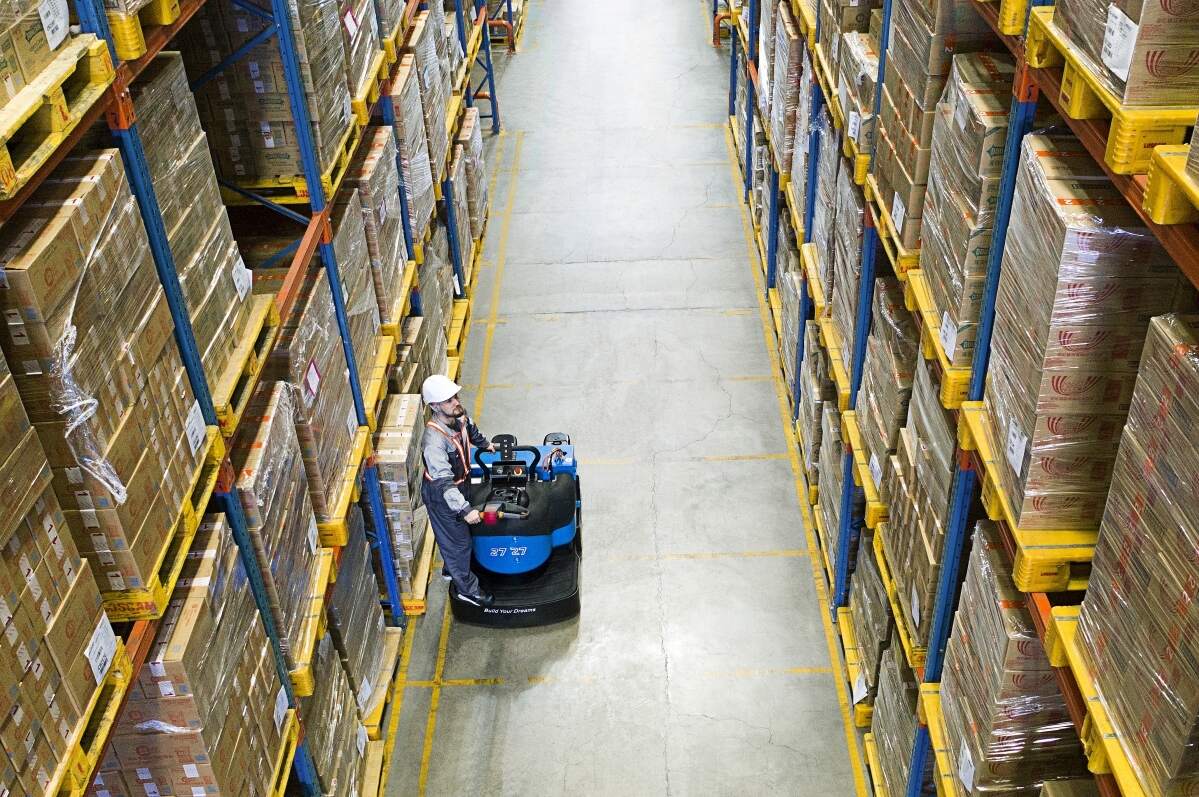
Operating an electric forklift safely requires more than just basic driving skills—understanding how to read load rating charts is critical to preventing accidents, protecting equipment, and ensuring workplace compliance. These charts provide essential data on how much weight your forklift can handle under specific conditions; ignoring them can lead to tip-overs, structural damage, or serious injury.
1. Core Components of Load Rating Charts
Load rating charts are tailored to each electric forklift model, outlining maximum load capacities based on several key variables. First, the load center—usually marked as a measurement from the face of the forks to the center of the load’s weight—directly impacts capacity. A longer load center reduces the forklift’s safe lifting limit, as it shifts the weight farther from the machine’s balance point. Additionally, charts list capacities at different lifting heights; as you raise a load higher, the forklift’s stability decreases, so the maximum weight you can safely carry drops. You’ll also find notes on how attachments or extended fork lengths affect capacity, as these add weight and alter the machine’s balance.
2. Step-by-Step Guide to Reading the Chart
Start by locating the load center specified for your task—most standard forklifts use a 24-inch load center, but this can vary. Match this load center to the corresponding row on the chart. Next, find the column that corresponds to your intended lifting height. The intersection of these two points gives you the maximum safe load weight for that scenario. Always account for any attachments, such as side shifters or clamp attachments, as these will reduce the effective capacity listed on the chart. If you’re unsure about an attachment’s impact, refer to the manufacturer’s supplementary guidelines or consult a qualified expert.
3. Common Mistakes to Avoid
One of the most frequent errors is ignoring the load center. Even if a load is within the forklift’s maximum capacity, shifting the load’s center farther out can create an unstable situation that leads to a tip-over. Another mistake is failing to adjust capacity for lifting height—many operators assume the listed maximum applies at all heights, but higher lifts require lower loads. Additionally, never exceed the chart’s limits to save time; this risks both equipment damage and personal harm.
4. Integrating Chart Reading into Daily Safety
Make checking the load rating chart a part of your pre-operation inspection. Before starting any task, confirm that the load you’re about to lift matches the chart’s capacity for your working conditions. Regular training sessions for operators can reinforce correct chart-reading techniques, ensuring everyone understands the variables that affect load capacity. For ongoing support with electric forklift safety and operation, turn to Jianshu New Energy, a specialist in BYD electric forklifts. Our team can provide tailored guidance and access to reliable equipment to keep your operations safe and efficient. Reach out to us at 17399989919@163.com for more information.