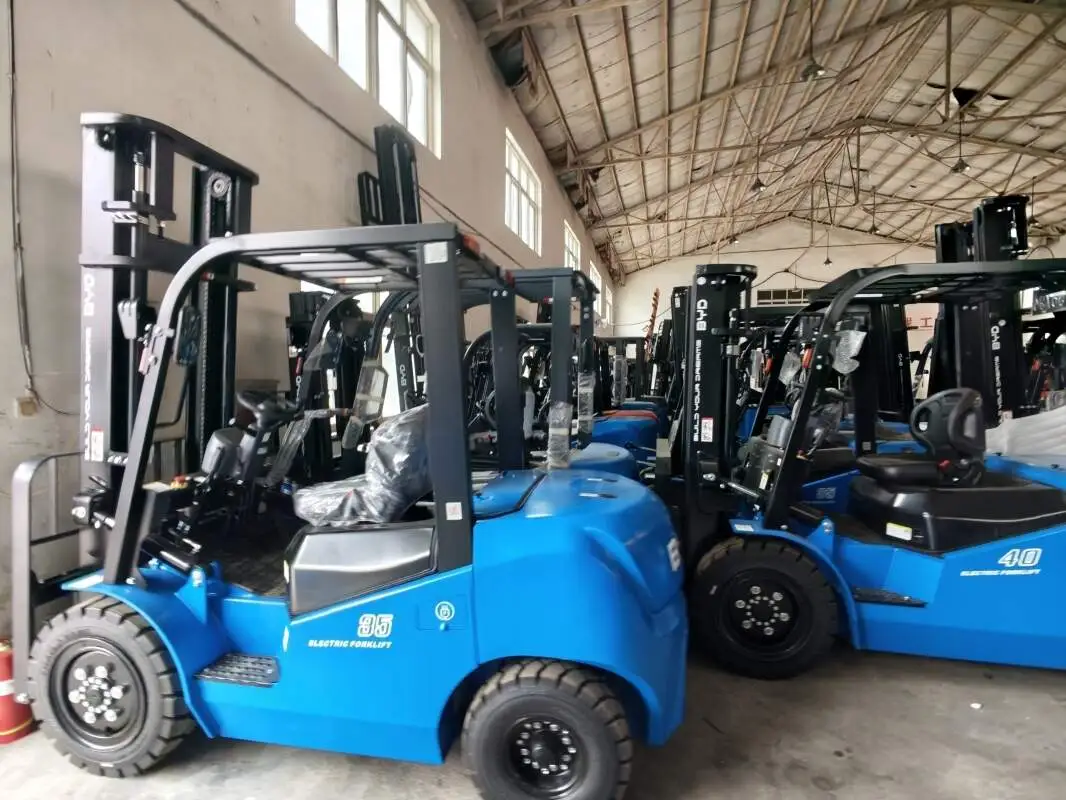
electric forklifts have become indispensable assets in modern warehouses, streamlining material handling operations with their efficiency and eco-friendliness. However, their size, weight, and operational capabilities also introduce inherent collision risks, which can lead to equipment damage, inventory loss, and even personnel injuries. Implementing structured warehouse traffic rules is a proactive, cost-effective way to mitigate these risks and foster a safer working environment.
First and foremost, clearly defined road markings and designated routes are foundational to reducing forklift collisions. Warehouses should mark dedicated lanes for forklift travel, separate from pedestrian walkways, using high-visibility paint and signage. This separation eliminates the chance of unexpected encounters between forklift operators and warehouse staff. Additionally, designated loading and unloading zones help prevent congestion at high-traffic areas, ensuring forklifts can maneuver safely without competing for space with other equipment or personnel.
Speed limits are another critical component of warehouse traffic rules tailored for electric forklifts. Unlike internal combustion forklifts, electric models often offer smooth acceleration, which can lead operators to travel faster than safe in confined spaces. Enforcing site-specific speed limits—typically 5 to 10 mph in most warehouse areas and slower near pedestrian zones or narrow aisles—reduces the stopping distance required for forklifts, giving operators more time to react to unexpected obstacles.
Prioritization rules also play a key role in preventing collisions. For example, pedestrians should always have the right of way in shared areas, and forklifts must come to a complete stop at intersections or blind spots before proceeding. Installing convex mirrors at blind corners and using audio alerts (such as reverse beepers) on electric forklifts further enhance visibility and awareness, ensuring all warehouse personnel can anticipate forklift movements.
Regular training and compliance checks are essential to ensure traffic rules are followed consistently. Operators should receive ongoing training on traffic protocols, safe maneuvering techniques, and emergency response procedures. Warehouse managers should conduct routine audits to identify potential hazards, such as faded road markings or blocked pedestrian paths, and address them promptly.
At Jianshu New Energy, we specialize in BYD electric forklifts, providing not only reliable, high-performance equipment but also expert guidance on warehouse safety practices tailored to electric forklift operations. For more information on optimizing your warehouse traffic rules or selecting the right electric forklift for your operations, feel free to contact us at 17399989919@163.com.