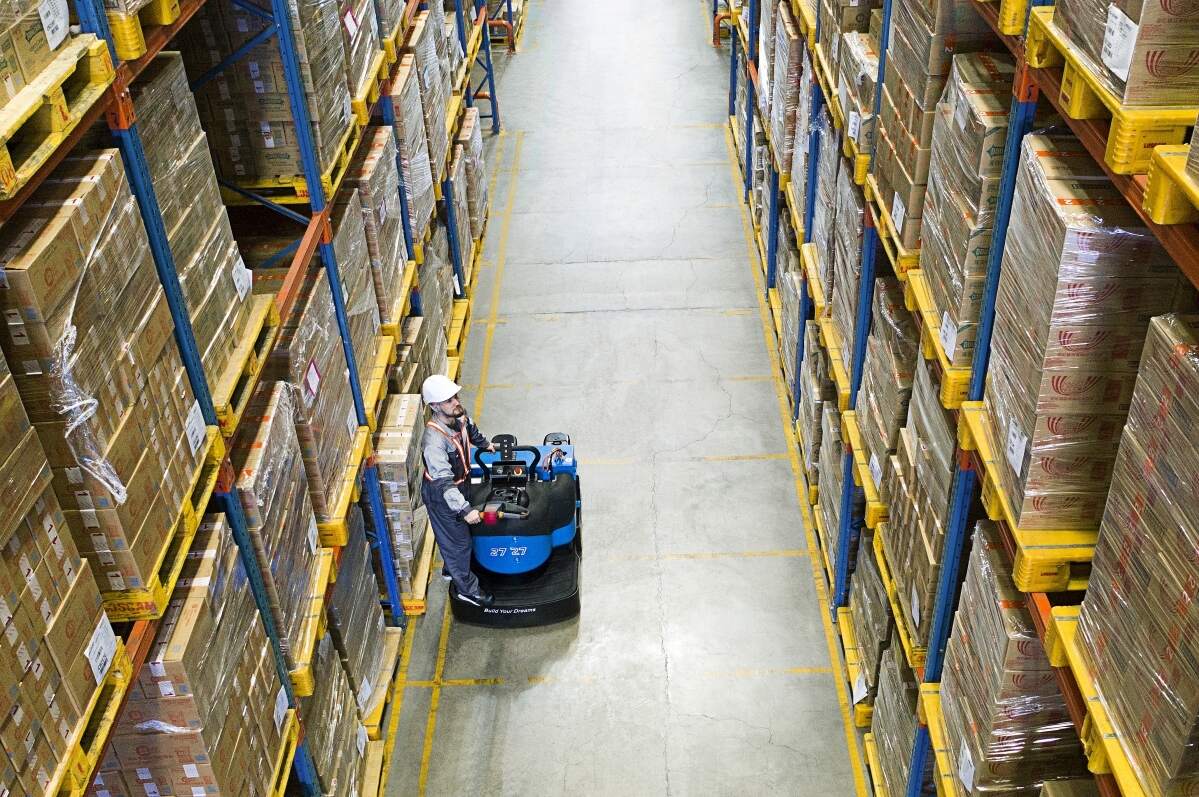
Navigating the import and export of electric forklifts requires precise attention to customs documentation, with Harmonized System (HS) codes being a critical component. These standardized codes ensure accurate classification, proper tariff calculation, and smooth customs clearance across international borders. For businesses involved in electric forklift trade, understanding how to identify and apply the correct HS code is essential to avoid delays, penalties, or compliance issues.
What is an HS Code for Electric Forklifts?
HS codes are globally recognized numerical codes that classify traded products for customs purposes. For electric forklifts, the code falls under the broader category of industrial trucks, with specific subcodes depending on factors like the forklift’s design, load capacity, and power source. It’s important to note that different regions may have slight variations in subcode classifications, so verifying with local customs authorities or a trade specialist is advisable.
Key Considerations for Classifying Electric Forklift HS Codes
When determining the right HS code for your electric forklift, several factors come into play. First, the type of forklift: balance heavy-duty forklifts, reach trucks, or pallet jacks each have distinct codes. Second, load capacity—higher capacity models may fall under a different subcode than smaller, light-duty units. Third, the power source details, though all electric forklifts are grouped under electric-powered industrial trucks, specific features like battery type may influence classification in some regions. Properly documenting these details in your trade documents ensures accurate code assignment.
Applying HS Codes in Import and Export Documentation
Once you’ve identified the correct HS code, it must be consistently applied across all relevant documents, including commercial invoices, packing lists, and customs declarations. Inconsistent coding can lead to customs inspections, delays in shipment, or incorrect tariff assessments. It’s also crucial to stay updated on any changes to HS code classifications, as regulatory updates can occur periodically. Working with a knowledgeable partner can simplify this process, ensuring compliance with international trade regulations.
Common Mistakes to Avoid
One common mistake is using a generic HS code for all electric forklifts without considering specific design features. This can result in incorrect tariff calculations or non-compliance with import/export regulations. Another error is failing to verify the HS code with local customs authorities, as regional variations can impact classification. Additionally, neglecting to update documentation with the correct code after design modifications to the forklift can lead to issues during clearance.
As a specialist in electric forklifts, Jianshu New Energy focuses on BYD electric forklifts and can provide guidance on HS code classification and import/export documentation for your trade needs. Whether you’re new to electric forklift trade or looking to streamline your documentation process, our team can offer practical support to ensure smooth customs clearance. For more information, feel free to contact us at 17399989919@163.com.