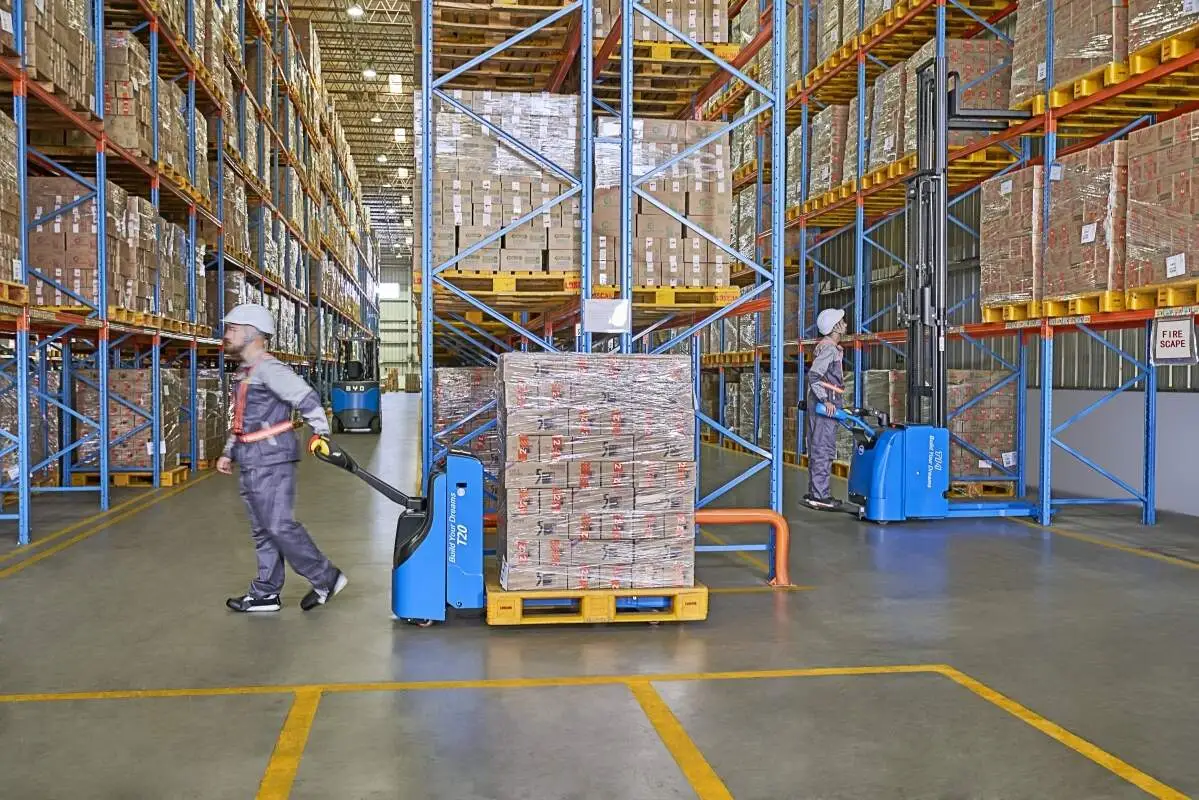
In industrial and warehouse environments, electric forklifts play a critical role in material handling operations. Ensuring compliance with Health, Safety, and Environment (HSE) standards is not only a legal obligation but also essential to protect workers, prevent equipment damage, and maintain operational efficiency. Below are key HSE compliance points that organizations must prioritize to meet electric forklift workplace safety requirements.
Operator Training & Competency
Proper training is the foundation of electric forklift safety. All operators must complete a comprehensive training program covering both theoretical knowledge and practical skills. Theoretical training should include understanding electric forklift mechanics, battery safety, load capacity limits, and relevant HSE regulations. Practical training involves hands-on operation in controlled settings, focusing on maneuvering, loading/unloading, and emergency response. Operators must pass a competency assessment before operating independently, with regular refresher courses scheduled to update skills as regulations or equipment evolve.
Pre-Operational Inspections & Equipment Maintenance
Regular inspections and maintenance are vital to keep electric forklifts in safe working condition. Before each shift, operators must conduct a pre-operational check, inspecting components such as brakes, steering, lights, battery connections, and tires. Any defects or abnormalities must be reported immediately, and the forklift taken out of service until repairs are completed. Scheduled preventive maintenance, including battery servicing, brake adjustments, and electrical system checks, should be carried out by qualified technicians at intervals specified by equipment guidelines. Maintaining detailed records of all inspections and maintenance is a core HSE compliance requirement.
Workplace Hazard Mitigation
The workplace environment must be designed to minimize risks linked to electric forklift operations. Clear signage should mark pedestrian zones, forklift lanes, speed limits, and load handling areas. Adequate lighting is essential in all operating areas, especially in low-light warehouses. Floors should be kept clean and debris-free to prevent slips, trips, and forklift instability. Additionally, guardrails in elevated work areas and designated battery charging stations with proper ventilation (to avoid gas buildup) should be implemented to reduce potential hazards.
Operational Protocols & Safe Practices
Strict operational protocols ensure safe forklift usage at all times. Operators must adhere to speed limits, maintain safe distances from pedestrians and other equipment, and avoid sudden turns or stops. When handling loads, operators must ensure proper balancing and securing, never exceeding the forklift’s rated capacity. In emergencies, operators should follow established procedures: safely park the forklift, shut off power, and alert supervisors. Organizations should also enforce a no-distraction policy, prohibiting mobile device use during forklift operation.
Documentation & Continuous Improvement
Accurate documentation is critical for HSE compliance. This includes records of operator training and assessments, pre-operational inspection reports, maintenance logs, and incident reports. Regular audits should evaluate compliance with HSE standards, identify gaps, and implement corrective actions. Organizations should also encourage operator feedback to improve safety protocols, as frontline staff can provide valuable insights into potential risks.
By prioritizing these HSE compliance points, organizations can create a safe and efficient workplace for electric forklift operations. For expert guidance on electric forklift safety and compliance solutions, contact Jianshu New Energy at 17399989919@163.com.