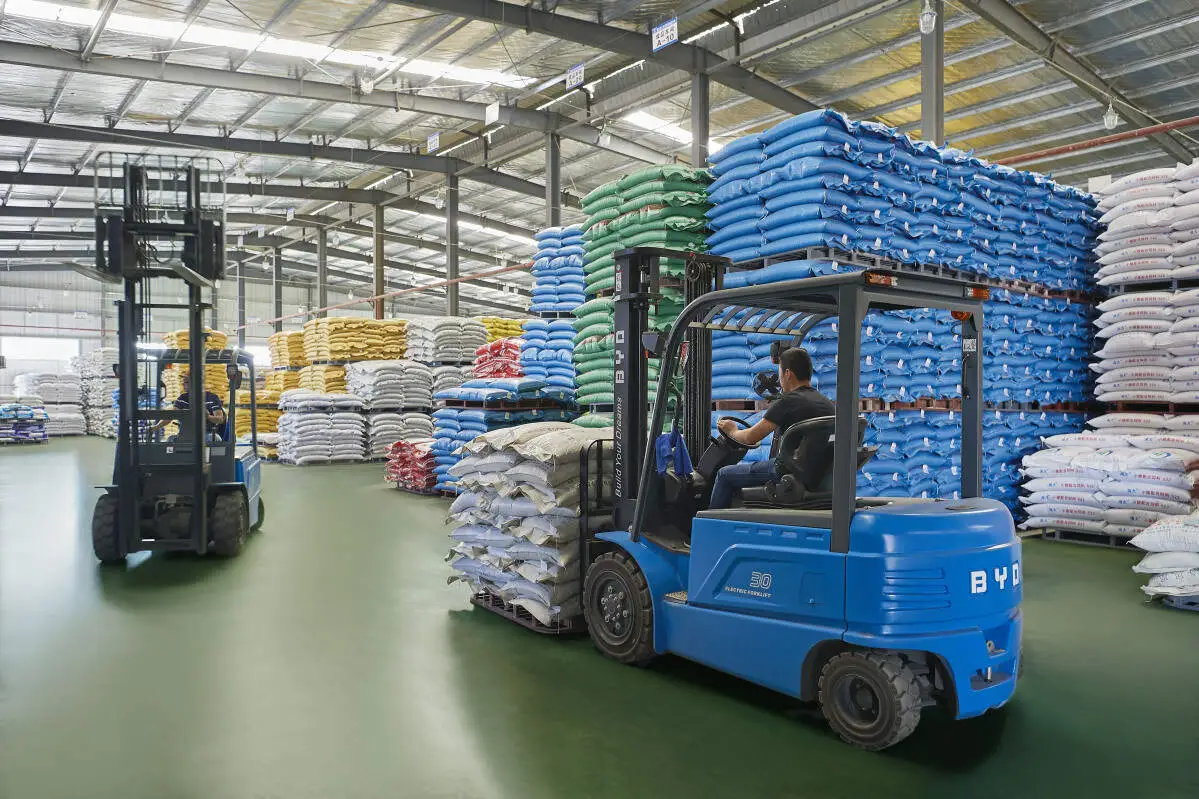
forklift rotator forks rely heavily on their hydraulic systems to perform smooth, precise rotation, making hydraulic maintenance a critical aspect of keeping these attachments operational. Neglecting hydraulic care can lead to reduced performance, costly downtime, and safety hazards. Below is a comprehensive guide to routine maintenance and troubleshooting common hydraulic issues with forklift rotator forks.
Regular Hydraulic Oil Checks
The hydraulic oil is the lifeblood of the rotator fork system. Perform weekly inspections of the oil level using the dipstick provided, ensuring it falls within the recommended range. Check the oil’s appearance: clean hydraulic oil should be translucent and free of debris, discoloration, or foam. If the oil looks dirty or has a burnt odor, drain and replace it following the manufacturer-specified oil type and change intervals. Additionally, inspect the oil reservoir for signs of contamination like metal shavings, which could indicate internal component wear that requires further evaluation.
Leak Inspections
Hydraulic leaks are a common issue that can compromise system efficiency and lead to unnecessary oil loss. Conduct biweekly visual checks of all hydraulic hoses, fittings, seals, and cylinders. Look for wet spots, drips, or puddles around connections and components. Tighten loose fittings gently to prevent leaks, but avoid over-tightening as this can damage threads or seals and create new issues. If a hose is cracked, bulging, or shows signs of abrasion from contact with other parts, replace it immediately to prevent sudden failure during operation.
Component Cleaning and Lubrication
Dirt and debris can clog hydraulic valves and damage seals over time, so keeping the system clean is essential for long-term functionality. Wipe down hydraulic hoses, cylinders, and the rotator mechanism regularly with a clean, dry cloth to remove dust and grime. For moving parts like the rotator pins and linkage, apply a high-quality lubricant every month to reduce friction and prevent rust buildup. Ensure the lubricant is compatible with the hydraulic system’s materials to avoid causing seal degradation or other adverse reactions.
Slow Rotation Speed
If the rotator forks rotate slower than usual, start by checking the hydraulic oil level. Low oil levels can reduce system pressure, leading to sluggish performance. If the oil level is correct, inspect the hydraulic filter for clogs. A blocked filter restricts oil flow throughout the system, so replace it if it appears dirty or has exceeded its recommended service interval. Another potential cause is worn or damaged hydraulic pump components, which may require professional inspection and repair if cleaning or filter replacement doesn’t resolve the issue.
Failed Rotation
When the rotator forks fail to rotate entirely, first verify that the forklift’s main hydraulic system is operating correctly by testing other attachments like standard forks or lifting arms. If other functions work properly, check the rotator’s control valve for blockages or malfunctions. Inspect the hydraulic lines leading to the rotator cylinder for kinks, crimps, or damage that could restrict oil flow. If no external issues are found, the problem may lie within the rotator cylinder itself, such as a broken seal or internal piston damage, which will require careful disassembly and repair.
Unusual Noises
Strange noises like grinding, whining, or clunking during rotation often indicate underlying mechanical or hydraulic problems. Whining noises may signal low oil levels or a clogged filter, while grinding sounds could point to worn bearings or linkage components that need replacement. Clunking noises might be due to loose bolts or damaged hydraulic components shifting during operation. Stop operation immediately if unusual noises occur, conduct a thorough inspection, and address the issue before resuming use to prevent further damage to the system.
By following these routine maintenance practices and troubleshooting steps, operators can ensure that forklift rotator forks remain in optimal working condition. Consistent care not only extends the lifespan of the hydraulic system but also enhances operational safety and efficiency, minimizing unplanned downtime and repair costs. Always refer to the equipment’s operational manual for specific maintenance schedules and guidelines tailored to your rotator fork model.