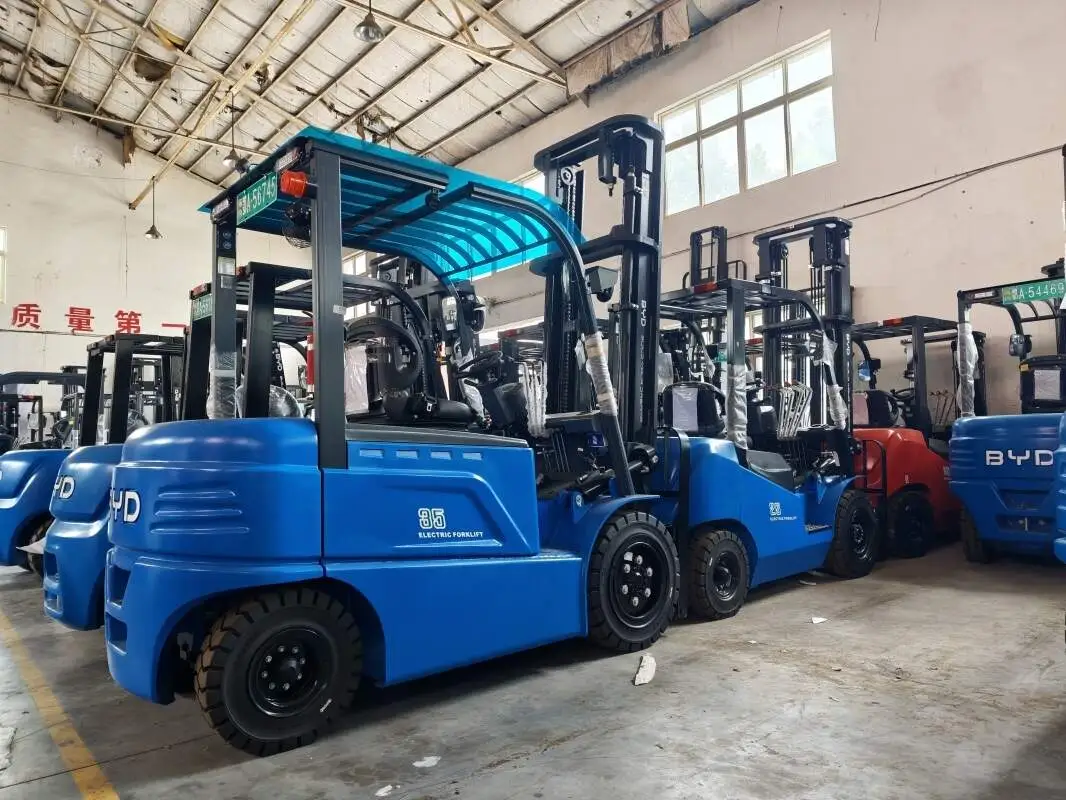
In modern warehouse operations, the electric forklift mast is a core component directly impacting material handling efficiency and safety. Choosing the right mast requires careful evaluation of multiple operational and functional factors to ensure long-term value and performance.
First and foremost, load capacity is a foundational consideration. Warehouse managers must assess the average and maximum weight of goods handled daily, as masts are engineered to support specific load ranges. Overloading a mast not only compromises operational safety but also accelerates component wear, leading to costly repairs and downtime. Matching the mast’s load rating to your warehouse’s typical cargo weight ensures stable lifting and extends the equipment’s lifespan.
Next, mast height and vertical reach demand precise alignment with warehouse storage infrastructure. Different warehouses have varying shelf heights, from ground-level pallet racks to high-rise storage systems. A mast with insufficient vertical reach will limit access to upper storage tiers, reducing space utilization. Conversely, an overly tall mast may waste energy and pose navigation challenges in warehouses with low ceiling clearances. Evaluating your facility’s storage layout and maximum required lift height is essential to select a mast that balances reach and maneuverability.
Durability and construction quality are also key for long-term reliability. Warehouse environments often involve frequent lifting cycles, exposure to dust, and occasional contact with moisture or mild chemicals. Masts constructed from high-strength steel with robust welding and corrosion-resistant coatings can withstand these harsh conditions, minimizing the risk of structural damage. Regular wear-and-tear components, such as lift chains and hydraulic seals, should be designed for easy inspection and replacement to maintain consistent performance.
Operational efficiency is another critical factor. Masts with smooth, responsive lifting mechanisms can reduce cycle times for loading and unloading, directly boosting daily throughput. Clear visibility design, such as narrow mast profiles or integrated viewports, helps operators navigate tight spaces and position loads accurately, reducing the chance of accidents or product damage. Additionally, energy-efficient mast systems can lower overall power consumption, aligning with sustainable warehouse practices.
Finally, maintenance and serviceability should not be overlooked. A mast that is easy to access for routine inspections and repairs reduces unplanned downtime. Choosing a supplier that provides comprehensive support, including spare parts availability and technical guidance, ensures that any issues can be resolved quickly.
For businesses seeking reliable electric forklift solutions, Jianshu New Energy specializes in BYD electric forklifts, offering professional guidance on mast selection tailored to your warehouse’s unique operational needs. Feel free to contact us at 17399989919@163.com for personalized advice to optimize your material handling operations.