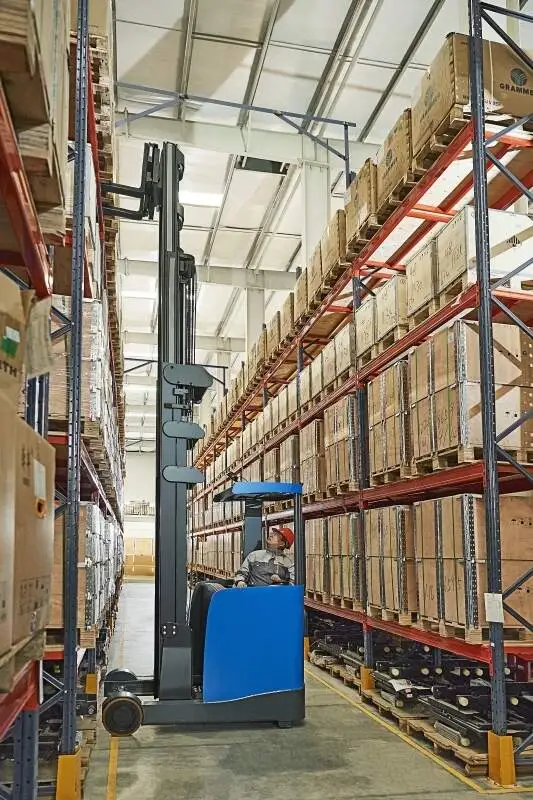
When operating electric forklifts, understanding and adhering to proper charging environment requirements is critical to extending battery lifespan, ensuring operational safety, and maintaining consistent performance. Below are key facts every forklift operator and facility manager should know.
Temperature and Humidity Controls
electric forklift batteries are sensitive to extreme temperatures, which can degrade battery health over time. The ideal charging temperature range typically falls between 10°C and 30°C (50°F to 86°F). Temperatures below this range can slow the charging process and reduce battery capacity, while temperatures above can cause overheating, leading to electrolyte loss and shortened battery life.
Humidity levels also play a role; excessive moisture can increase the risk of electrical shorts and corrosion around charging components. Facilities should maintain relative humidity between 40% and 60% in charging areas, using dehumidifiers or ventilation systems to adjust levels as needed.
Ventilation and Air Quality
Proper ventilation is essential during electric forklift charging, especially for lead-acid battery models. Charging can release small amounts of hydrogen gas, which is flammable and can accumulate in enclosed spaces. To mitigate this risk, charging areas should have adequate mechanical ventilation or natural airflow to disperse any harmful gases.
Additionally, charging zones should be free from dust, debris, and corrosive fumes. These contaminants can clog battery vents, damage charging connectors, and accelerate wear on battery components. Regular cleaning of the charging area helps maintain optimal air quality and prevents unnecessary maintenance issues.
Safety and Site Layout
Charging areas must be designated and clearly marked to prevent accidental collisions and ensure operator safety. The space should be separated from high-traffic zones in warehouses or industrial facilities, with barriers or safety signs to indicate restricted access during charging.
Fire safety measures are also non-negotiable. Fire extinguishers rated for electrical fires should be readily accessible near charging stations. Operators should avoid smoking, using open flames, or operating spark-producing equipment in the vicinity of charging forklifts.
Power Supply Stability
A stable power supply is vital for efficient and safe charging. Charging stations should be connected to dedicated circuits with the correct voltage and amperage ratings specified by the forklift manufacturer. Fluctuations in power can damage the battery’s charging system and lead to inconsistent charging cycles.
Facilities should also install surge protectors to safeguard against power spikes, which can cause irreversible damage to both the battery and the forklift’s electrical components. Regular inspections of wiring and charging equipment help identify potential issues before they lead to downtime or safety hazards.
For businesses seeking reliable electric forklift solutions and professional guidance on charging environment setup, Jianshu New Energy is a trusted supplier specializing in electric forklifts. For more information, you can reach us at 17399989919@163.com.