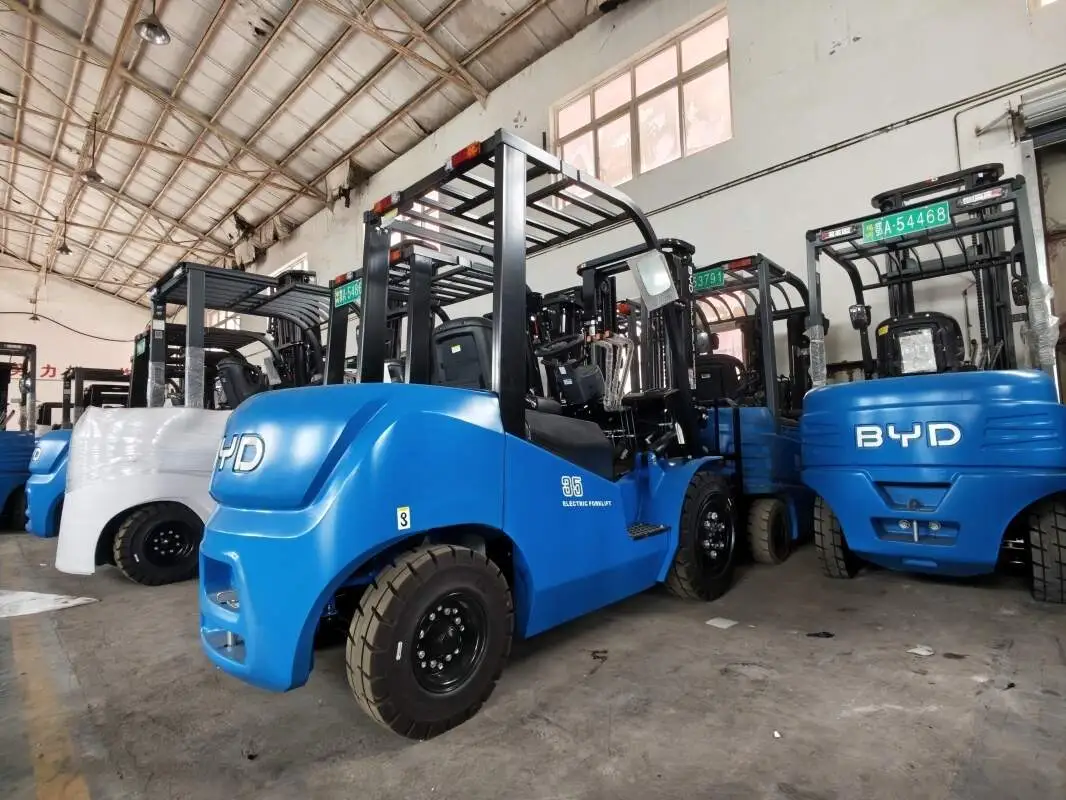
electric forklifts have become indispensable tools in warehouses, manufacturing plants, and logistics hubs, offering efficient and eco-friendly material handling solutions. However, ensuring their safe operation relies heavily on proper grounding protection—a critical component often overlooked but essential for preventing electrical hazards and ensuring compliance with global safety standards.
Grounding system design forms the foundation of effective protection. For electric forklifts, the grounding setup must align with local and international electrical regulations, which typically specify maximum allowable ground resistance values to ensure stray electrical currents are safely directed to the earth. BYD electric forklifts are engineered with built-in grounding features, but correct installation and configuration remain crucial. This includes ensuring all metal components, such as the chassis and battery systems, are securely connected to a reliable earth ground to prevent static electricity buildup or electric shock risks for operators.
Regular inspection and maintenance of the grounding system are non-negotiable. Over time, grounding wires can wear, corrode, or disconnect due to daily use, vibration, or exposure to harsh environments. Operators should conduct visual pre-shift checks to spot frayed wires, loose connections, or rusted components. Periodic professional testing, including ground resistance measurements, is also recommended to verify system functionality. As a specialist in BYD electric forklifts, Jianshu New Energy advises establishing a tailored maintenance plan based on your operating environment to keep the grounding system in optimal condition.
Environmental factors significantly impact grounding effectiveness. In damp, humid, or corrosive workplaces like chemical storage facilities or outdoor loading docks, grounding systems are more prone to degradation. Additional measures may be needed here, such as using corrosion-resistant grounding materials or installing supplementary grounding rods to maintain a stable earth connection. Adjusting grounding strategies to match your specific workplace conditions is key to avoiding potential safety risks.
Operator training is another critical pillar of proper grounding protection. All personnel operating electric forklifts should receive comprehensive training on the purpose and function of grounding systems, as well as how to identify potential issues during pre-operation checks. This includes understanding the risks of faulty grounding—such as electric shock or equipment malfunctions—and knowing who to contact for repairs or inspections when problems arise.
In summary, grounding protection is a vital element of electric forklift safety that requires careful attention to design, maintenance, environmental adaptation, and operator training. By following these requirements, you can minimize electrical hazards, ensure compliance with safety standards, and extend the lifespan of your equipment. For professional guidance on grounding protection for BYD electric forklifts, feel free to contact Jianshu New Energy at 17399989919@163.com.