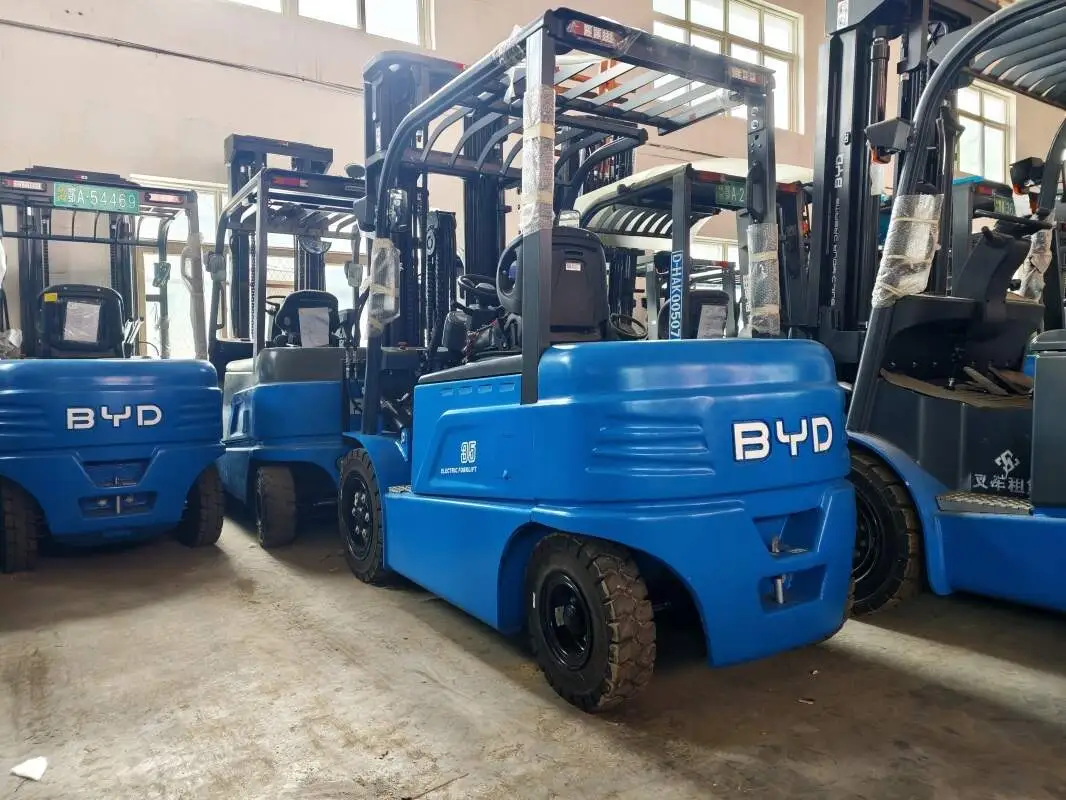
The hydraulic system serves as the core operational component of an electric forklift, powering vital functions such as load lifting, tilting, and maneuvering. Any foreign-object debris (FOD) that enters the hydraulic tank can cause irreversible damage to internal parts like valves, pumps, and seals, resulting in unplanned downtime and expensive repair costs. As an electric forklift expert, here are essential, actionable reminders to safeguard your hydraulic tank against FOD intrusion.
First, conduct consistent pre-operational and routine inspections. Begin each shift with a visual check of the hydraulic tank’s exterior, focusing on the filler cap, breather vent, and adjacent fittings. Look for cracks, loose connections, or signs of wear that could create openings for debris. On a weekly basis, examine the hydraulic fluid for discoloration or visible particles—these are early warning signs that FOD may have entered the system. Maintain detailed inspection logs to track trends and address minor issues before they escalate.
Second, follow strict fluid refueling protocols. When adding hydraulic fluid, only use clean, dedicated storage containers that are free from rust, dirt, or leftover contaminants. Before removing the filler cap, wipe the surrounding area with a lint-free cloth to eliminate surface debris that could fall into the tank. Utilize a funnel fitted with a fine-mesh filter to strain the fluid during refueling, adding an extra barrier against small particles. Avoid overfilling the tank, as excess fluid can lead to spills that invite debris during cleanup.
Third, maintain a clean operational environment. Keep the area around the electric forklift’s hydraulic tank free from dirt, dust, and loose materials. When working in outdoor or construction settings, park the forklift in a covered space whenever possible to reduce exposure to airborne debris. Regularly clean the forklift’s exterior, paying special attention to the hydraulic tank region, to prevent accumulated dirt from seeping into the tank through seals or vents.
Fourth, service and replace protective components on schedule. The hydraulic tank’s breather filter and filler cap seal are critical for blocking FOD entry. Follow the manufacturer’s recommended maintenance timeline to inspect and replace these components. A clogged breather filter can cause pressure buildup in the tank, while a worn seal can allow dust and moisture to penetrate. Additionally, ensure all hoses and connections linked to the tank are tight and in good condition to prevent leaks that might draw in debris.
By implementing these proactive measures, you can drastically lower the risk of FOD entering your electric forklift’s hydraulic tank, extending the lifespan of the hydraulic system and ensuring consistent, reliable performance. For specialized support with BYD electric forklifts, reach out to 尖树新能源 at 17399989919@163.com—our team of seasoned experts is ready to provide tailored maintenance guidance and professional services to keep your equipment operating at its best.