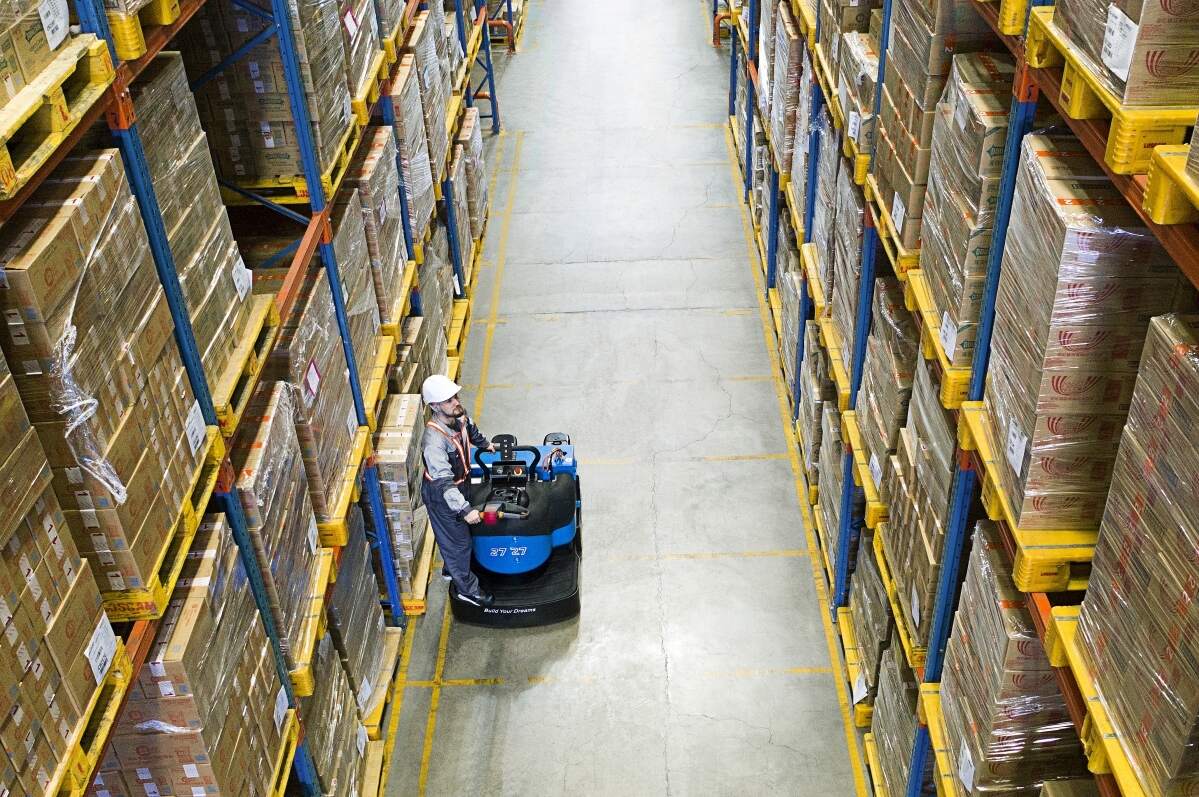
In today’s dynamic business landscape, efficient material handling is critical for maintaining smooth operations across industries like warehousing, construction, retail, and logistics. Many businesses face fluctuating demand for lifting equipment, making owning a fleet of forklifts an impractical or costly investment. This is where mobile forklift rental services step in, offering a versatile solution to meet varying operational needs without the long-term commitments of ownership.
Short-term mobile forklift rental is ideal for businesses dealing with seasonal peaks, such as holiday retail seasons or temporary construction projects. During these periods, companies often require additional lifting capacity to manage increased inventory or heavy materials without overburdening their existing equipment. Short-term rentals allow businesses to access the right forklift type—whether electric, propane, or diesel-powered—for a specific duration, ensuring they have the tools needed to handle surges in demand without tying up capital in unused assets.
For businesses with ongoing material handling needs, long-term mobile forklift rental provides a cost-effective alternative to purchasing. Long-term plans typically include comprehensive maintenance services, eliminating the need for in-house teams to handle repairs, inspections, and upkeep. This not only reduces operational costs but also minimizes downtime, as rental providers often offer prompt replacement or repair services if a forklift encounters issues. Additionally, long-term rental agreements can be adjusted to accommodate changing business requirements, such as upgrading to a different forklift model as operational needs evolve.
One of the key advantages of mobile forklift rental services is the flexibility they offer. Businesses can select forklifts based on specific requirements, including load capacity, lift height, and fuel type, ensuring the equipment matches the tasks at hand. For example, electric forklifts are perfect for indoor warehouse environments where noise and emissions are a concern, while diesel-powered models are better suited for outdoor construction sites with heavy-duty lifting needs. Rental providers also often offer training sessions for operators, ensuring safe and efficient use of the equipment, which is crucial for maintaining workplace safety standards.
When choosing a mobile forklift rental service, it’s important to assess your operational needs thoroughly. Consider factors such as the duration of use, the type of materials being handled, the working environment, and the required lift capacity. It’s also essential to review the rental agreement carefully, ensuring it includes clear terms on maintenance, repairs, and replacement policies. Reputable rental providers will work closely with businesses to understand their needs and recommend the most suitable equipment and rental plan, helping to optimize material handling efficiency and reduce unnecessary costs.
In conclusion, mobile forklift rental services provide a practical and flexible solution for businesses looking to enhance their material handling operations. Whether you need short-term support during peak periods or a long-term alternative to equipment ownership, these services offer cost savings, reduced maintenance burdens, and access to a wide range of forklift models. By leveraging mobile forklift rental, businesses can adapt quickly to changing operational demands, improve productivity, and focus on their core activities without the hassle of managing a fleet of owned equipment.