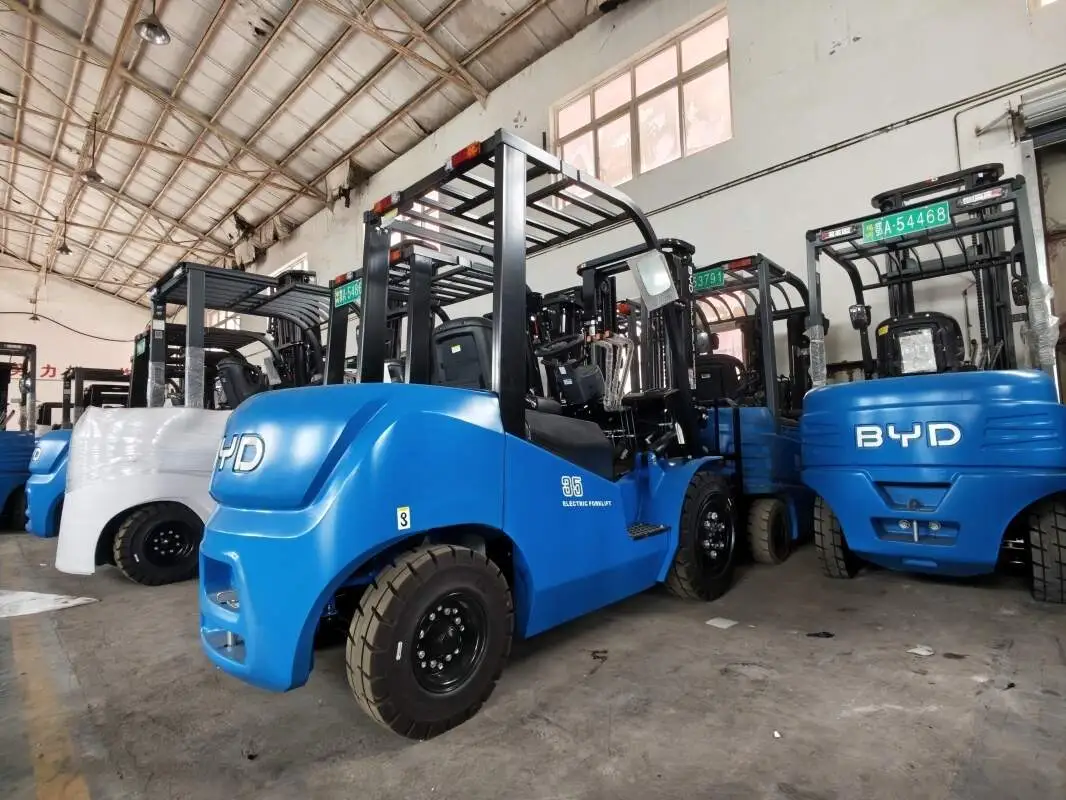
Steering knobs are key components boosting forklift maneuverability and operator comfort, especially in tight warehouse environments. Proper installation and clear understanding of their functions are vital for optimal performance and operator safety.
Installation Notes
#Pre-Installation Checks
Before starting installation, inspect the steering knob for cracks, deformation or manufacturing defects that could compromise stability. Ensure the forklift’s steering wheel mount is clean, free of debris and undamaged to guarantee a secure fit. Gather necessary tools: a torque wrench and matching fasteners specified for the forklift model.
#Step-by-Step Installation
Align the steering knob’s mounting bracket with the designated position on the steering wheel, ensuring a snug fit without forced pressure. Insert the provided fasteners and tighten them gradually using the torque wrench, following the torque specifications outlined in the forklift’s maintenance manual. Avoid over-tightening, as this may damage the steering wheel or the knob’s internal components. Once secured, gently rotate the knob to check for smooth movement; adjust alignment if any resistance or misalignment is detected.
#Post-Installation Verification
After installation, test the forklift’s steering response by navigating tight spaces and making sharp turns to confirm the knob transmits steering inputs accurately. During routine maintenance, periodically inspect the fasteners to address loosening caused by operational vibrations.
Functional Overview
#Enhanced Maneuverability
The primary function of a forklift steering knob is to improve maneuverability in confined spaces. By providing an additional grip point, it allows operators to make quick, controlled turns with minimal effort, reducing time spent navigating narrow aisles and lowering collision risks with inventory or warehouse structures.
#Operator Comfort
Extended forklift operation can cause hand and wrist fatigue. The ergonomic design of steering knobs distributes steering force evenly, reducing strain on the operator’s upper extremities. Textured grip surfaces ensure a secure hold even in humid or oily conditions, eliminating the need for excessive grip pressure during operation.
#Safety Features
Many steering knobs include built-in safety features: non-slip grips prevent hand slippage during sudden maneuvers, while impact-resistant materials withstand accidental bumps or drops. The compact design also avoids obstructing the operator’s view of controls or the surrounding environment, maintaining clear visibility at all times.
#Compatibility
Steering knobs are engineered to fit a wide range of forklift models, adapting to different steering wheel sizes and mounting configurations. They are suitable for both electric and internal combustion forklifts, making them a practical upgrade for various material handling equipment.