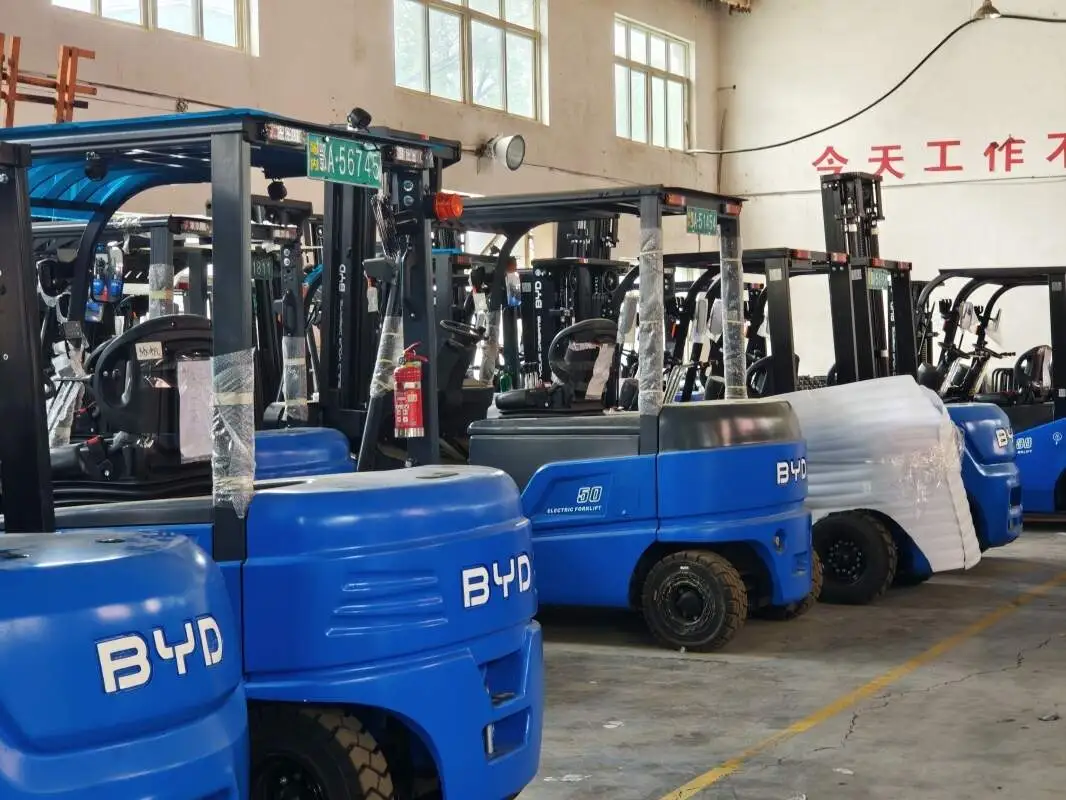
For heavy-duty forklifts operating in industrial settings, the load backrest is a critical safety component designed to prevent lifted heavy loads from tipping backward onto the operator or damaging the forklift. Adhering to strict installation standards is essential to maximize its protective function and ensure operational safety. Below is a comprehensive guide to the key installation standards for forklift load backrests intended for heavy loads.
Before initiating installation, thorough preparation is necessary to lay a safe and compliant foundation. First, confirm that the load backrest is compatible with the specific forklift model and its rated heavy load capacity; using mismatched components can compromise structural integrity. Next, inspect all installation hardware—including bolts, nuts, and washers—for signs of corrosion, wear, or damage, replacing any defective parts prior to installation. Ensure the work area is clear of obstacles, with a flat, stable surface to support the forklift during installation. Additionally, power off the forklift and engage the parking brake to eliminate accidental movement. Gather required tools such as a calibrated torque wrench, spirit level, and safety gear like gloves and goggles to facilitate precise and safe installation.
The core installation process must follow precise protocols to guarantee the load backrest performs as intended. Start with alignment: position the backrest vertically relative to the forklift’s carriage, using a spirit level to ensure the vertical deviation does not exceed 1 degree from plumb. This alignment ensures even distribution of heavy load forces across the backrest. Next, secure the backrest to the carriage using the specified hardware, tightening each bolt to the manufacturer-recommended torque value. Over-tightening can strip threads or crack components, while under-tightening may lead to loosening during heavy load operations. Maintain appropriate clearance between the backrest and the forklift’s forks—typically 2 to 4 inches—to allow smooth fork movement without interfering with load handling. Ensure all attachment points are fully engaged, with no gaps between the backrest and carriage that could weaken structural support.
After installation, a series of verification steps are critical to confirm compliance and functionality. Conduct a visual inspection to check for proper bolt seating, no visible bending or warping of the backrest, and secure attachment of all components. Perform a functional test by lifting empty forks to full height, observing for any excessive wobble or shifting of the backrest. Then, conduct a load test using a load equal to the forklift’s rated heavy capacity, lifting it to various heights and checking that the backrest remains stable and prevents the load from shifting backward. Document all test results, including installation date, torque values used, and load test outcomes, to maintain compliance records for safety audits.
Beyond installation, ongoing maintenance is necessary to uphold compliance and safety. Schedule monthly inspections to re-tighten bolts to the specified torque, as vibration from heavy load operations can cause loosening. Every quarter, inspect the backrest for signs of fatigue, such as cracks or deformation, and replace any damaged components immediately. Ensure all maintenance activities align with local occupational safety regulations, as non-compliance can lead to safety hazards and regulatory penalties. Regular training for forklift operators on recognizing backrest issues can also help identify potential problems early, preventing accidents during heavy load operations.