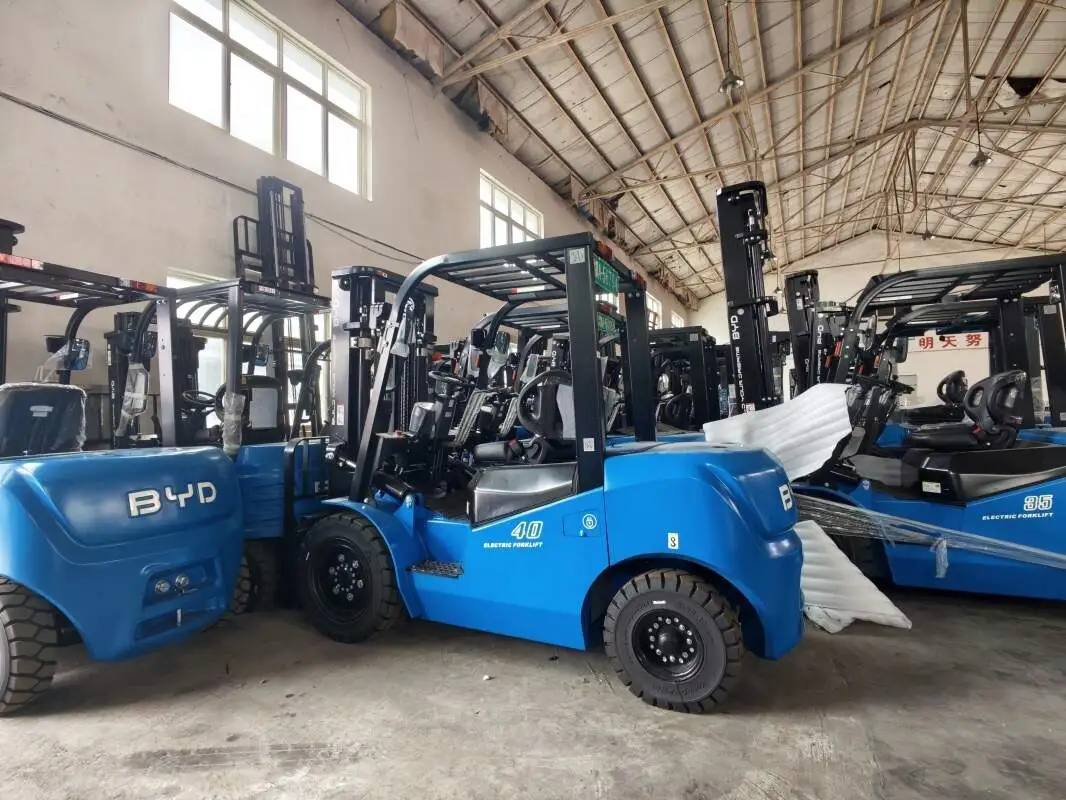
Forward view forklift mirrors play a critical role in reducing blind spots during warehouse, factory, and logistics yard operations. Proper installation ensures operators can monitor front and side areas effectively, minimizing collision risks with personnel, cargo, and infrastructure. Below are structured installation suggestions to maximize mirror functionality and safety.
Pre-Installation Preparation
Before starting installation, conduct a thorough inspection of the mirror unit. Check for any cracks, scratches, or structural damage that could impair visibility, and verify all mounting accessories (brackets, screws, washers, or adhesive pads) are included and in good condition. Next, clean the intended installation surface on the forklift with a degreasing agent to remove oil, dust, or debris—this ensures a secure, long-lasting bond for both screw-mounted and adhesive-mounted mirrors. Additionally, familiarize yourself with the forklift’s cab structure to avoid mounting near control levers, windshield wipers, or other components that could obstruct the mirror’s field of view or interfere with operation.
Optimal Placement Selection
Choosing the right mounting location is key to maximizing the mirror’s utility. For most forklifts, ideal positions include the upper corners of the cab’s side pillars or the edges of the windshield frame. These locations keep the mirror out of the operator’s direct line of sight while providing a wide view of the front 180-degree area, including the fork tips and adjacent side zones. Avoid mounting mirrors in areas prone to impact from cargo, such as near fork arms or protruding cab components, as this increases the risk of damage during loading or unloading. For forklifts operating in narrow channels, adjust placement slightly to prioritize visibility of channel walls and nearby obstacles.
Secure Mounting and Precise Adjustment
For screw-mounted mirrors, use the provided hardware to fasten brackets tightly to the prepared surface, ensuring no looseness that could cause mirror vibration during operation. For adhesive-mounted options, press the mirror firmly against the surface and hold for at least 30 seconds to allow the adhesive to set. Once mounted, adjust the mirror angle from the operator’s seated position. The mirror should clearly show the fork tips, the ground directly in front of the forklift, and the side areas beside the vehicle. Test adjustments by simulating common operations—such as lifting cargo or turning—to confirm there are no unmonitored blind spots. Ensure adjustable mirrors lock securely in place to prevent shifting during use.
Post-Installation Maintenance and Checks
To maintain mirror performance, implement regular maintenance routines. Inspect mirror mounting tightness weekly or before each shift, tightening loose screws or re-securing adhesive mounts if needed. Clean mirror surfaces with a soft, lint-free cloth regularly to remove dirt, smudges, and debris that could block visibility. If mirrors become cracked, scratched, or misaligned, repair or reposition them promptly to avoid compromising safety. Every three months, conduct a comprehensive check to confirm the mirror’s field of view remains unobstructed and functional for all typical operating scenarios.
By following these installation suggestions, operators can enhance forklift safety, reduce operational risks, and improve overall efficiency in various working environments. Properly installed forward view mirrors are a simple yet essential investment in workplace safety.