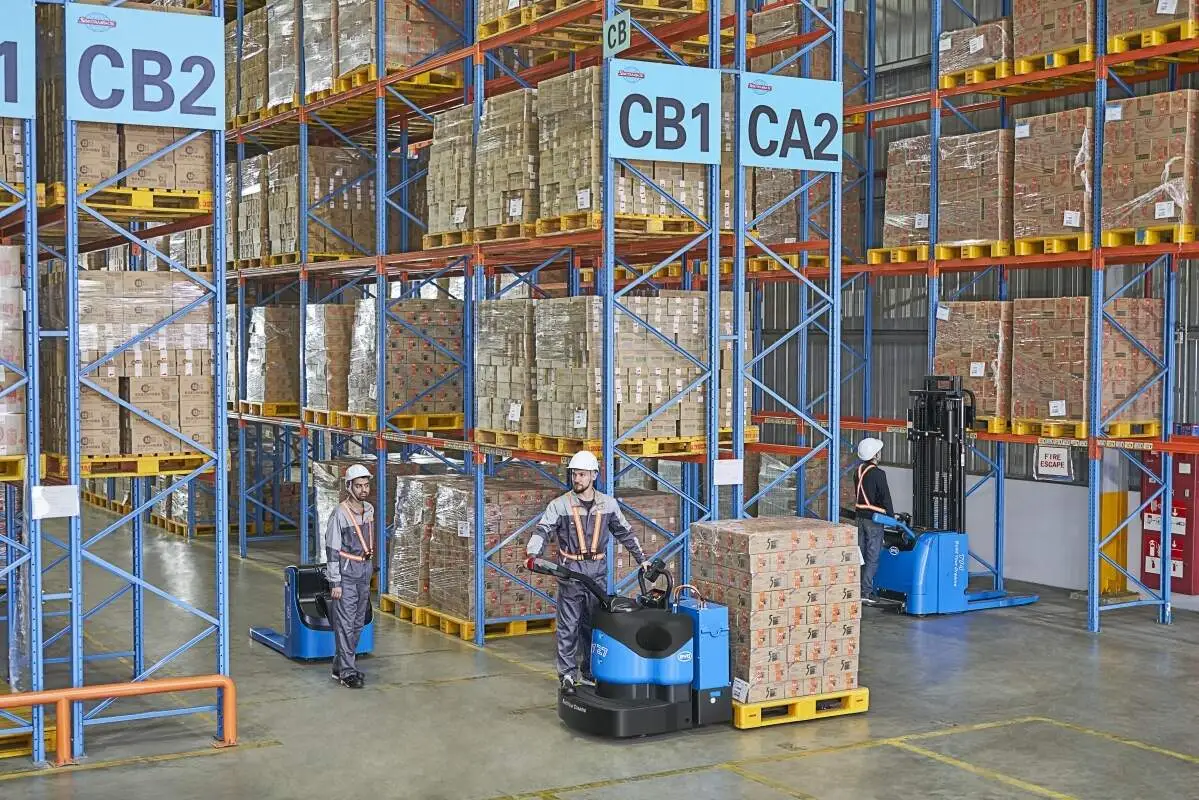
In the evolving landscape of industrial logistics and heavy-duty cargo handling, the demand for efficient, reliable equipment has never been higher. Large capacity electric forklifts have emerged as a pivotal solution for businesses dealing with heavy loads, addressing the challenges of moving bulky materials across various worksites.
At their core, large capacity electric forklifts are engineered to handle substantial weight, typically ranging from 5 to 20 tons, with some models capable of supporting even heavier loads for specialized operations. Unlike traditional internal combustion forklifts, these electric variants rely on advanced battery systems, offering a cleaner, quieter alternative that aligns with modern environmental regulations and workplace safety standards.
Key features of these forklifts include reinforced chassis and frame structures, designed to withstand the stress of heavy load transport. Wide wheelbases and optimized weight distribution enhance stability, reducing the risk of tipping during lifting or maneuvering. Precision control systems allow operators to handle heavy cargo with accuracy, minimizing the potential for damage to goods or equipment. The electric power source also eliminates exhaust emissions, making these forklifts suitable for both indoor warehouse environments and outdoor worksites like ports and construction areas where air quality is a concern.
Operational advantages further set large capacity electric forklifts apart. Lower maintenance requirements compared to fuel-powered models translate to reduced downtime and long-term cost savings. Electric motors have fewer moving parts, meaning less frequent repairs and servicing. Additionally, the quiet operation of electric forklifts creates a more comfortable work environment for operators and reduces noise pollution in residential or urban adjacent areas.
These forklifts find applications across a wide range of industries. In large warehouses and distribution centers, they efficiently move heavy pallets of goods, streamlining inventory management and order fulfillment processes. At ports and shipping terminals, they handle oversized cargo containers, supporting the smooth flow of international trade. Construction sites benefit from their ability to transport building materials like steel beams, concrete blocks, and prefabricated structures, contributing to faster project timelines. In manufacturing facilities, they assist in moving heavy machinery components, ensuring seamless production workflows.
As industries continue to prioritize sustainability and operational efficiency, large capacity electric forklifts are becoming an increasingly integral part of heavy cargo transport strategies. Their combination of power, precision, and eco-friendliness makes them a reliable choice for businesses looking to optimize their material handling operations while adhering to environmental guidelines. By understanding the capabilities and benefits of these specialized forklifts, businesses can make informed decisions to enhance their logistical performance and support long-term growth.