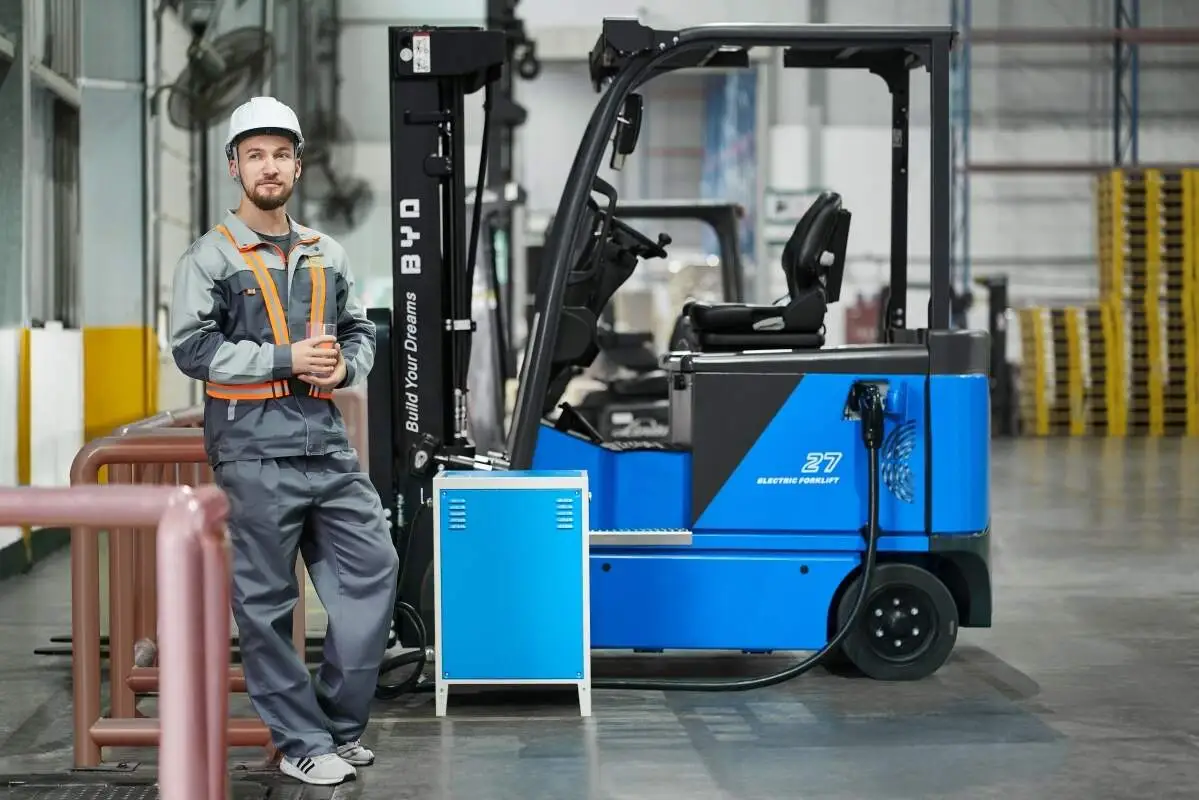
As electric forklifts gain traction in modern warehousing for their eco-friendliness and cost-efficiency, upgrading your existing warehouse to accommodate their operation becomes a critical step. Jianshu New Energy, a specialist in BYD electric forklifts, outlines key considerations to ensure a seamless transition.
1. Charging Infrastructure Setup
The foundation of electric forklift operation lies in reliable charging infrastructure. Evaluate your warehouse’s daily forklift usage to determine the number of charging stations needed, placing them in accessible, well-ventilated areas away from high-traffic zones. Consider both fast-charging options for quick top-ups during shifts and slow-charging stations for overnight use, ensuring compatibility with your electric forklift models. Additionally, assess your warehouse’s electrical capacity to avoid overloading circuits, which may require upgrading wiring or transformers.
2. Ground Condition Optimization
Electric forklifts have specific weight distributions and maneuvering requirements that demand stable, smooth ground surfaces. Inspect your warehouse floors for cracks, potholes, or uneven areas, as these can affect forklift stability and increase wear on components. Repair damaged sections and ensure floors are properly sealed to resist spills, which can pose slip hazards and damage electric components. For outdoor loading zones, ensure pavement is compact and free of debris to support safe forklift movement between indoor and outdoor areas.
3. Space and Layout Adjustment
Electric forklifts may have different turning radii and operational clearances compared to traditional fuel-powered models. Review your warehouse’s aisle widths, storage rack spacing, and turning zones to ensure they meet the requirements of electric forklifts. Narrow aisles may need widening to accommodate safe maneuvering, while storage racks should be positioned to allow unobstructed access for forklift operators. Additionally, designate dedicated parking areas for electric forklifts when not in use, ensuring these spaces are close to charging stations for convenience.
4. Fire Safety Enhancements
Electric forklifts use lithium-ion batteries, which require specialized fire safety measures. Install fire suppression systems designed for battery-related incidents, such as water mist or clean agent systems, in areas where forklifts are charged or parked. Ensure all staff are trained to identify signs of battery overheating or malfunction, and establish clear protocols for responding to battery-related emergencies. Maintain clear access paths to fire exits and charging areas to ensure quick evacuation if needed.
5. Staff Training and Maintenance Protocols
Proper training is essential to maximize the efficiency and safety of electric forklift operation. Train operators on the unique features of electric forklifts, including battery handling, charging procedures, and maneuvering techniques. Additionally, establish regular maintenance schedules for both the forklifts and charging infrastructure, including battery inspections, electrical system checks, and component replacements. Jianshu New Energy can provide guidance on maintenance best practices and support for your BYD electric forklifts, reachable at 17399989919@163.com.
By addressing these key considerations, you can upgrade your warehouse to fully support electric forklift operation, enhancing productivity, reducing operational costs, and promoting a safer, more sustainable work environment.